
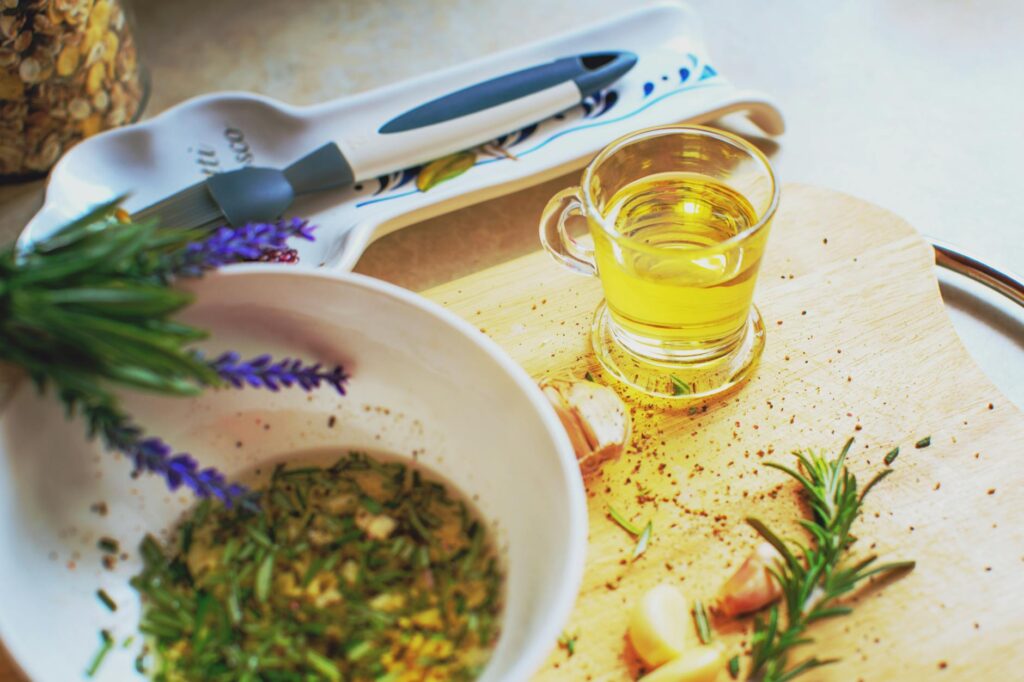
Complete Guide to Olive Oil Part 14
Introduction
Olive oil, derived from the fruit of the olive tree (Olea europaea), has been a staple in Mediterranean diets and cultures for thousands of years. Its unique flavor, nutritional properties, and versatility make it a favored ingredient in cooking, skincare, and even aromatherapy. This guide delves into the multifaceted world of olive oil, exploring its benefits, applications, and considerations for safe usage.
What Is Olive Oil?
Olive oil is a liquid fat obtained from the olives, the small, bitter fruits of the olive tree. The process of extraction involves crushing the olives and separating the oil from the pulp. The quality of olive oil varies based on factors such as the type of olives used, the method of extraction, and the region in which they are grown. The most esteemed varieties include extra virgin olive oil (EVOO), which is made from the first cold pressing of olives and retains the highest levels of flavor and nutrients.
Key Benefits and Properties
Olive oil is celebrated for its numerous health benefits and properties:
1. Nutritional Value: Rich in monounsaturated fats, particularly oleic acid, olive oil is known to support heart health. It also contains antioxidants, including vitamin E and polyphenols, which can help combat oxidative stress.
2. Anti-Inflammatory Effects: The polyphenols in olive oil possess anti-inflammatory properties, which may contribute to reducing the risk of chronic diseases.
3. Skin Hydration: Olive oil is often used in skincare for its moisturizing properties. The fatty acids help to lock in moisture, making it beneficial for dry skin.
4. Digestive Health: Some studies suggest that olive oil can aid digestion and promote gut health, potentially reducing the risk of gastrointestinal issues.
5. Versatility in Cooking: Olive oil is suitable for various culinary applications, from sautéing to dressing salads, offering a flavorful alternative to other fats.
Common Uses
The uses of olive oil extend far beyond culinary applications:
1. Culinary Uses: Olive oil is a popular choice for dressing salads, drizzling over dishes, and as a base for marinades. It can also be used in baking, though its flavor may alter the taste of sweet dishes.
2. Skincare: Due to its emollient properties, olive oil is often found in lotions, creams, and hair products. It can be used as a natural makeup remover or added to DIY skincare formulations.
3. Household Uses: Olive oil can serve as a natural lubricant for squeaky hinges or as a wood conditioner for furniture.
4. Aromatherapy: While olive oil is not an essential oil, it can be used as a carrier oil in aromatherapy, helping to dilute essential oils for topical application.
Aromatherapy Applications
In aromatherapy, olive oil functions primarily as a carrier oil, allowing for the safe application of essential oils on the skin. Its mild scent and skin-friendly properties make it an excellent choice for blending with various essential oils.
1. Dilution of Essential Oils: Essential oils are highly concentrated and should always be diluted before application. Olive oil can effectively dilute oils such as lavender, tea tree, or eucalyptus, making them safe for topical use.
2. Massage Oil: Olive oil can be used as a base for massage oils, either alone or blended with essential oils. Its smooth texture allows for easy application and absorption.
3. Skin Soothing: When combined with calming essential oils, olive oil can help soothe irritated skin or provide relief in cases of dryness.
4. Aromatherapy Diffusion: While olive oil is not typically used in diffusers, it can be incorporated into homemade potpourri or used in oil burners when mixed with essential oils.
Safety Considerations
While olive oil is generally safe for most people, several safety considerations should be kept in mind:
1. Quality Matters: Always opt for high-quality extra virgin olive oil to ensure maximum health benefits. Check for certifications and labels that guarantee purity.
2. Skin Sensitivity: Although olive oil is typically well-tolerated, it is advisable to perform a patch test before using it topically, especially if you have sensitive skin or allergies.
3. Storage: Improper storage can lead to rancidity. Store olive oil in a cool, dark place, away from sunlight and heat.
4. Interactions: If you are using olive oil in conjunction with essential oils, be mindful of potential interactions. Some essential oils may cause skin irritation or adverse reactions when not properly diluted.
Storage and Shelf Life
The shelf life of olive oil can vary depending on storage conditions and the quality of the oil:
1. Storage Conditions: Olive oil should be stored in a cool, dark place, ideally in a dark glass container to protect it from light. Avoid exposure to heat and air, which can accelerate oxidation.
2. Shelf Life: Generally, unopened olive oil can last up to two years from the bottling date, while opened olive oil is best consumed within six months to a year for optimal flavor and nutritional benefits. Always check for off smells or tastes as indicators of rancidity.
3. Freezing: While freezing olive oil can extend its shelf life, it may alter the texture and flavor. It’s advisable to use it fresh whenever possible.
Frequently Asked Questions
1. What is the difference between extra virgin olive oil and regular olive oil?
Extra virgin olive oil is made from the first cold pressing of olives and has a lower acidity level, along with superior flavor and aroma. Regular olive oil may be refined and lacks the same health benefits.
2. Can olive oil be used for frying?
Yes, olive oil can be used for frying, although it has a lower smoke point than some other oils. Extra virgin olive oil is best suited for light sautéing or drizzling, while refined olive oil can be used for higher heat cooking.
3. Is olive oil suitable for all skin types?
While olive oil is generally safe for most skin types, those with oily or acne-prone skin should use it with caution, as it may clog pores.
4. How can I tell if my olive oil has gone bad?
Rancid olive oil often has a stale or off smell and a bitter taste. If the oil smells musty or has a significantly altered flavor, it’s best to discard it.
5. Can olive oil be used in aromatherapy for inhalation purposes?
While olive oil is not used for inhalation, it can be blended with essential oils for topical application or used in massage.
Conclusion
Olive oil is a versatile and beneficial substance that transcends its role in the kitchen. From its culinary applications to its use in skincare and aromatherapy, olive oil offers a range of advantages that can enhance daily life. By understanding its properties, uses, and considerations, consumers can make informed choices about incorporating this extraordinary oil into their routines. Whether drizzled over a salad or used as a moisturizer, olive oil remains a cherished staple in many cultures around the world.