
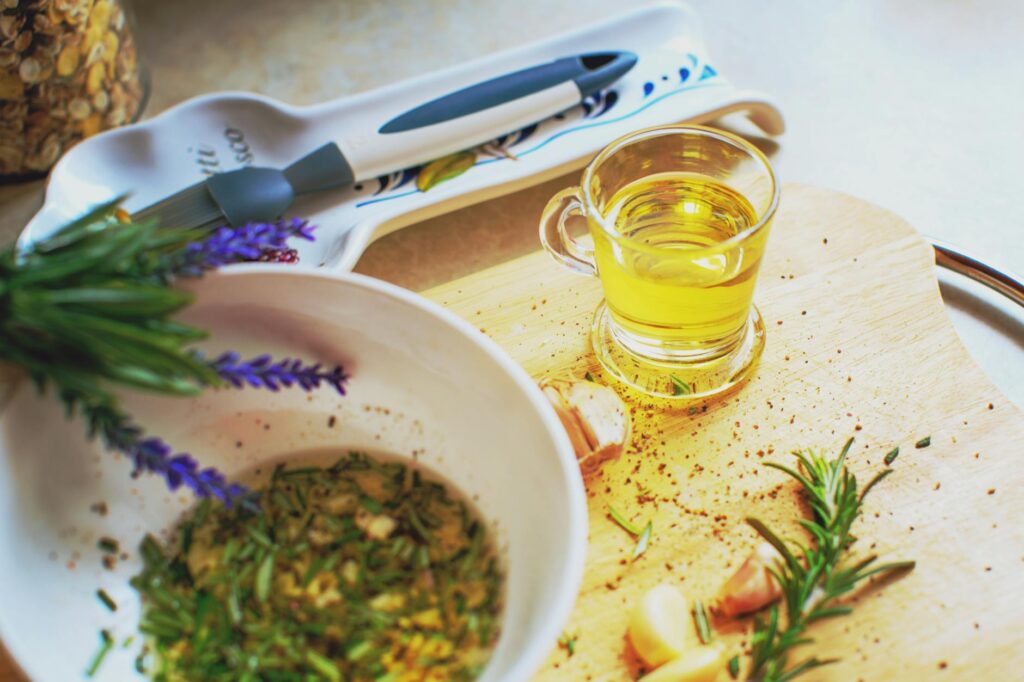
Complete Guide to Olive Oil Part 15
Introduction
Olive oil has been a staple in Mediterranean diets for centuries, cherished not only for its culinary virtues but also for its numerous health benefits and versatile applications. This guide aims to provide a comprehensive overview of olive oil, from its origins and benefits to its uses in aromatherapy, ensuring a thorough understanding of this remarkable oil.
What Is Olive Oil?
Olive oil is a natural oil extracted from the fruit of the olive tree (Olea europaea). The oil is primarily produced in Mediterranean countries, where the cultivation of olive trees has been a tradition for thousands of years. The extraction process typically involves pressing fresh olives to release the oil, which can be further refined or left in its virgin state for optimal flavor and health benefits.
There are various grades of olive oil, including extra virgin, virgin, and refined, each differing in quality, flavor, and acidity. Extra virgin olive oil is regarded as the highest quality, made from pure, cold-pressed olives without any chemical treatment.
Key Benefits and Properties
Olive oil is rich in monounsaturated fatty acids, particularly oleic acid, which contributes to its health benefits. Additionally, it contains antioxidants such as vitamin E and polyphenols, which help combat oxidative stress in the body.
Health Benefits
- Heart Health: Olive oil is known for its heart-healthy properties, including the ability to lower bad cholesterol (LDL) while raising good cholesterol (HDL).
- Anti-Inflammatory Properties: The polyphenols in olive oil may help reduce inflammation throughout the body.
- Antioxidant Effects: Rich in antioxidants, olive oil can help protect cells from damage caused by free radicals.
- Digestive Health: Some studies suggest that olive oil may support digestive health by promoting the secretion of digestive enzymes.
- Salad Dressings: Drizzled over greens or mixed with vinegar, olive oil serves as a flavorful base for dressings.
- Cooking Oil: Used for sautéing, roasting, and grilling, olive oil adds depth to various dishes.
- Marinades: Olive oil is often a key ingredient in marinades, enhancing the flavor of meats and vegetables.
- Skin Care: Olive oil is commonly used in cosmetic formulations due to its moisturizing properties.
- Hair Care: It can be applied to hair as a conditioner or treatment to enhance shine and manageability.
- Household Uses: Olive oil can also be used for polishing wooden furniture or preventing rust on tools.
- Lavender: Known for its calming effects, lavender essential oil can be blended with olive oil to create a soothing massage oil.
- Tea Tree: Often used for its antiseptic properties, tea tree oil can be diluted in olive oil for topical application.
- Lemon: The refreshing scent of lemon essential oil can be combined with olive oil for a rejuvenating body scrub.
- Keep it Cool: Store olive oil in a cool, dark place away from heat and light, which can cause it to oxidize and become rancid.
- Use Dark Bottles: If possible, buy olive oil in dark glass bottles, as this helps protect it from light exposure.
Culinary Benefits
In addition to its health benefits, olive oil is also valued for its culinary properties. Its rich flavor enhances a variety of dishes, from salads to grilled meats. The oil’s high smoke point makes it versatile for cooking, although extra virgin olive oil is best utilized in dressings and dips to preserve its delicate flavor.
Common Uses
Culinary Applications
Non-Culinary Uses
Aromatherapy Applications
While olive oil is not an essential oil, it is often used as a carrier oil in aromatherapy. Its mild scent and nourishing properties make it an excellent base for diluting essential oils before application on the skin.
Blending with Essential Oils
When combined with essential oils, olive oil can help facilitate the absorption of the active compounds in the skin. Common essential oils that pair well with olive oil include:
Diffusion and Inhalation
While olive oil is not typically used in diffusers, it can be included in homemade potpourri or other aromatic blends to enhance the scent profile.
Safety Considerations
Olive oil is generally considered safe for consumption and external use. However, individuals with specific allergies or sensitivities should exercise caution and consult with a healthcare professional if unsure.
Allergies
While rare, some individuals may have an allergy to olives or olive oil. If any adverse reactions occur, it is advisable to discontinue use and seek medical advice.
Skin Sensitivity
As with any oil, a patch test is recommended when applying olive oil topically, especially when mixed with essential oils.
Storage and Shelf Life
To maintain the quality of olive oil, proper storage is essential.
Storage Recommendations
Shelf Life
Unopened, high-quality olive oil can last up to two years, while opened bottles should ideally be used within six months to a year for optimal freshness. Rancid olive oil may have an off smell or taste, indicating it should not be consumed.
Frequently Asked Questions
What is the best type of olive oil to use?
Extra virgin olive oil is generally considered the best choice due to its high quality, rich flavor, and beneficial properties.
How can I tell if olive oil is good quality?
Look for oils that are labeled as “cold-pressed” and “extra virgin.” Check for a harvest date and ensure the oil comes in a dark bottle to protect it from light.
Can I use olive oil for frying?
Yes, olive oil can be used for frying, although it is best suited for low to medium heat applications. Extra virgin olive oil has a lower smoke point than refined oils, making it more suitable for sautéing or drizzling over finished dishes.
Is olive oil safe for cooking?
Absolutely, olive oil is safe for cooking and is even recommended for its health benefits. However, monitoring the cooking temperature is essential to prevent the oil from reaching its smoke point.
Can I use olive oil on my skin?
Yes, olive oil is often used in skin care for its moisturizing properties. It can be applied directly or used as a carrier oil for essential oils.
Conclusion
Olive oil is a remarkable substance with a rich history and a wide array of applications. From its culinary uses to its benefits in wellness and beauty, olive oil stands out as a valuable addition to any kitchen or personal care routine. Understanding its properties, benefits, and proper usage can enhance your appreciation for this time-honored oil, allowing you to incorporate it effectively into your daily life.