
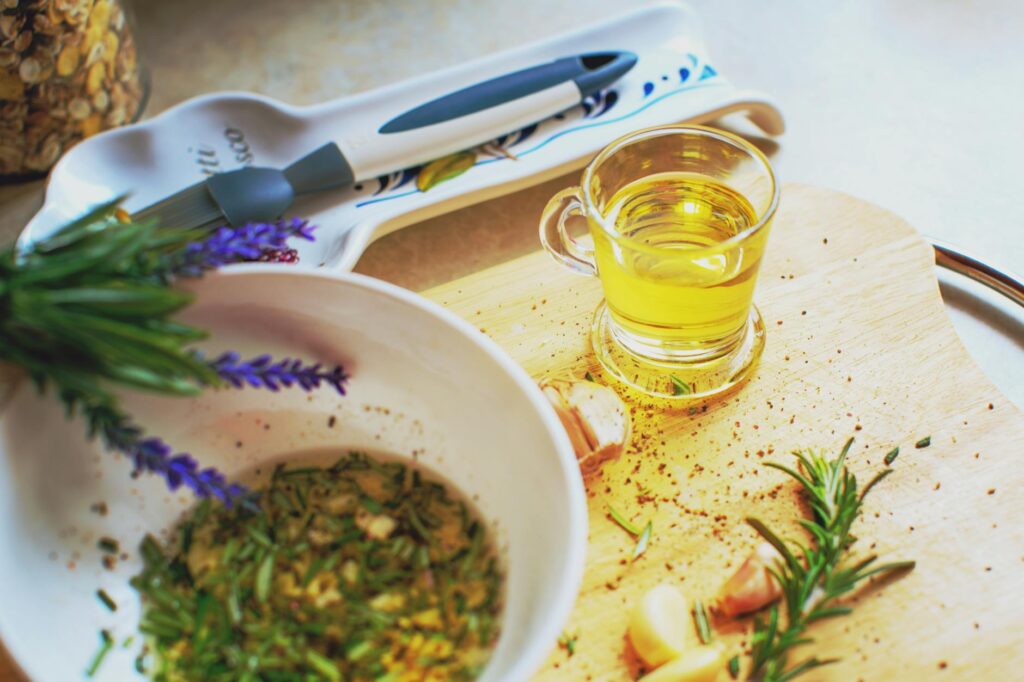
Complete Guide to Olive Oil Part 16
Introduction
Olive oil, a staple of Mediterranean cuisine, has transcended its culinary roots to become a prominent player in health and wellness discussions. This guide explores the multifaceted world of olive oil, delving into its composition, benefits, uses, and applications in aromatherapy. As an integral part of human history, olive oil has been valued for thousands of years, not only as a food source but also for its potential therapeutic properties.
What Is Olive Oil?
Olive oil is a liquid fat derived from the fruit of the olive tree (Olea europaea). The extraction process involves pressing whole olives to release their oil, which can then be refined or used in its unrefined form. Olive oil is categorized into several grades based on factors such as acidity, flavor, and processing methods. The primary categories include:
- Extra Virgin Olive Oil (EVOO): This is the highest quality, obtained from the first pressing of olives and characterized by its low acidity and rich, fruity flavor. It is often unrefined and retains the most nutrients.
- Virgin Olive Oil: This grade is also obtained from the first pressing but may have a slightly higher acidity level than EVOO. It is still considered high quality but may have a less intense flavor.
- Refined Olive Oil: This oil undergoes additional processing to remove impurities, resulting in a more neutral flavor and higher smoke point, but it may lack some of the beneficial compounds found in virgin oils.
- Pomace Olive Oil: Made from the residue left after the first pressing, this oil is often blended with virgin olive oil and is of lower quality.
- Polyphenols: These antioxidants help combat oxidative stress and inflammation.
- Vitamin E: A powerful antioxidant that contributes to skin health and immune function.
- Phytosterols: Compounds that may help lower cholesterol levels.
- Heart Health: Regular consumption of olive oil may help reduce the risk of cardiovascular diseases due to its ability to lower LDL (bad cholesterol) and raise HDL (good cholesterol) levels.
- Anti-Inflammatory Effects: The polyphenols in olive oil, particularly oleocanthal, have been shown to exhibit anti-inflammatory effects similar to those of ibuprofen.
- Cognitive Function: Some studies suggest that a diet rich in olive oil may have protective effects against cognitive decline and conditions such as Alzheimer’s disease.
- Salad Dressings: Its rich flavor enhances the taste of salads and can be combined with vinegar or lemon juice for added zest.
- Cooking: Olive oil can be used for sautéing, roasting, and grilling. However, it has a lower smoke point than some other oils, so it’s essential to monitor cooking temperatures.
- Baking: Extra virgin olive oil can be incorporated into baked goods, imparting moisture and a unique flavor profile.
- Marinades: It serves as an excellent base for marinades, helping to tenderize meats and infuse flavors.
- Dips and Spreads: Olive oil can be blended with herbs and spices to create flavorful dips or used as a base for spreads.
- Dilution: When mixing essential oils for topical use, olive oil serves as a gentle base that helps reduce the potency of the essential oil while still providing its benefits.
- Massage Oil: Olive oil can be blended with essential oils such as lavender or eucalyptus to create a soothing massage oil that promotes relaxation and alleviates tension.
- Skin Care: Its moisturizing properties make olive oil an excellent addition to homemade skin care products, such as lotions and balms.
- Hair Treatments: Olive oil can be used as a hair mask to provide hydration and shine, especially for dry or damaged hair.
- Allergies: Some individuals may have allergies to olive oil. It is advisable to perform a patch test before applying it topically.
- Quality Matters: Not all olive oils are created equal. Look for high-quality extra virgin olive oil to ensure you are getting the maximum health benefits and avoid oils that contain additives or inferior grades.
- Consult Professionals: If you are pregnant, nursing, or have specific health conditions, consult a healthcare professional before using olive oil in therapeutic applications or as a supplement.
- Keep it Cool: Store olive oil in a cool, dark place away from direct sunlight and heat sources. Ideal storage temperatures are between 60°F and 75°F (15°C to 24°C).
- Use Dark Glass Bottles: Olive oil should ideally be stored in dark glass bottles to minimize light exposure, which can degrade its quality.
- Seal Tightly: Ensure that the bottle is tightly sealed to prevent oxidation, which can lead to rancidity.
- Check Expiration Dates: Olive oil typically has a shelf life of 18 to 24 months from the date of bottling. Always check for expiration dates and use it within the recommended time frame for optimal freshness.
Key Benefits and Properties
Olive oil is rich in monounsaturated fatty acids, primarily oleic acid, which is known for its heart-healthy properties. Additionally, it contains a variety of bioactive compounds, including:
The health benefits of olive oil have been widely studied, and while research continues, here are some of the commonly recognized properties:
Common Uses
Olive oil is an incredibly versatile ingredient that can be used in various culinary applications, including:
Aromatherapy Applications
While olive oil is primarily known for its culinary applications, it also finds a place in the world of aromatherapy. Its smooth texture and mild scent make it an ideal carrier oil for essential oils. In aromatherapy, carrier oils are used to dilute essential oils, making them safe for topical application. Here are some ways olive oil can be utilized in aromatherapy:
Safety Considerations
While olive oil is generally considered safe for most people, it is important to observe a few safety considerations when using it, especially in the context of aromatherapy:
Storage and Shelf Life
To preserve the quality of olive oil and extend its shelf life, proper storage is essential. Here are some tips for storing olive oil:
Frequently Asked Questions
1. What is the best type of olive oil for cooking?
Extra virgin olive oil is generally recommended for low to medium-heat cooking due to its flavor and health benefits. For high-heat cooking, consider using refined olive oil or other oils with higher smoke points.
2. Can olive oil be used on the skin?
Yes, olive oil is often used in skin care for its moisturizing properties. However, perform a patch test before applying it to ensure there is no allergic reaction.
3. Is olive oil suitable for all diets?
Olive oil is suitable for most diets, including Mediterranean, vegetarian, and vegan. However, those with specific dietary restrictions should consult a nutritionist.
4. How can I tell if olive oil has gone bad?
Rancid olive oil has a stale, musty smell and a bitter, unpleasant taste. If you notice these characteristics, it is best to discard the oil.
5. Can I use olive oil for oil pulling?
While some people use olive oil for oil pulling, traditional oils like coconut or sesame are more commonly recommended. It’s important to choose an oil that meets your personal preferences.
Conclusion
Olive oil is a remarkable substance with a rich history and a wide array of benefits that extend beyond the kitchen. Its applications in aromatherapy and skin care further highlight its versatility. Understanding the properties, uses, and proper storage of olive oil can enhance your appreciation for this invaluable oil. Whether you are using it for cooking, therapeutic purposes, or skin care, quality matters, and knowledge is key to unlocking its full potential.