
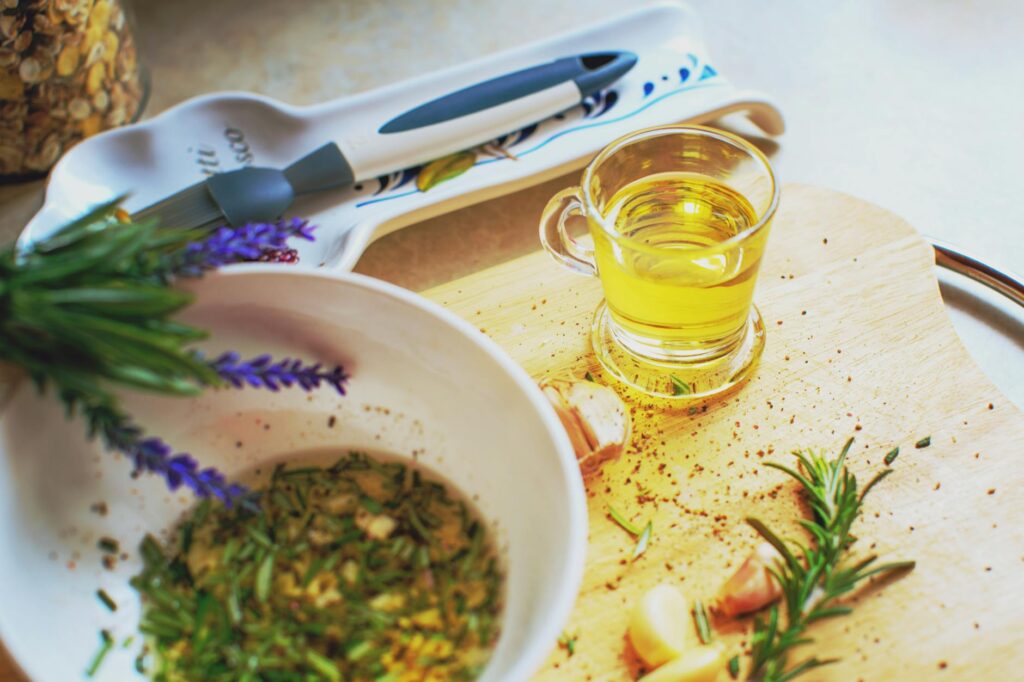
Complete Guide to Olive Oil
Introduction
Olive oil, a staple in Mediterranean diets and a symbol of health and wellness, has captivated the culinary world for centuries. Beyond its delicious flavor and versatility, olive oil possesses a rich history, numerous benefits, and a variety of uses that extend beyond the kitchen. This complete guide will explore the essence of olive oil, its properties, common applications, and its role in aromatherapy, providing a comprehensive understanding of this extraordinary oil.
What Is Olive Oil?
Olive oil is a liquid fat obtained from the fruit of the olive tree (Olea europaea). Native to the Mediterranean region, this oil has been utilized for food, beauty, and medicinal purposes for thousands of years. The extraction process typically involves pressing whole olives to release their oil, which can be further refined or left in its natural state.
There are several types of olive oil, including:
- Extra Virgin Olive Oil (EVOO): The highest quality, made from pure, cold-pressed olives without any chemical processing. It retains the most flavor and nutrients.
- Virgin Olive Oil: Made from the first pressing of the olives, it has a slightly lower quality than extra virgin but still maintains a good flavor.
- Refined Olive Oil: This is oil that has been processed to remove impurities, resulting in a lighter flavor and higher smoke point, but with fewer nutrients.
- Pomace Olive Oil: Derived from the leftover pulp after the first pressing, this oil undergoes further refining and is typically of lower quality.
- Rich in Healthy Fats: Olive oil is predominantly composed of monounsaturated fats, particularly oleic acid, which is known to support heart health.
- Antioxidant Properties: Extra virgin olive oil is packed with antioxidants, including vitamin E and polyphenols, which can help combat oxidative stress and inflammation.
- Anti-inflammatory Effects: Some studies suggest that the compounds in olive oil may help reduce inflammation in the body, which is linked to various chronic diseases.
- Support for Digestive Health: Olive oil can aid in digestion and may contribute to a healthy gut microbiome.
- Culinary Uses: Olive oil is commonly used for sautéing, roasting, and dressing salads. Its flavor profile can enhance dishes, making it a favorite among chefs and home cooks alike.
- Skincare: Due to its moisturizing properties, olive oil is often incorporated into skincare routines. It can be used as a natural moisturizer, makeup remover, or in homemade scrubs.
- Haircare: Olive oil can be used as a conditioning treatment for hair, promoting shine and manageability.
- Household Uses: This oil can also serve practical purposes, such as polishing furniture or lubricating squeaky hinges.
- Skin Compatibility: Olive oil is gentle on the skin and is less likely to cause irritation, making it suitable for a wide range of skin types.
- Nutrient-Rich: Its natural properties can enhance the benefits of essential oils, providing additional nourishment.
- Versatility: Olive oil can be blended with various essential oils to create personalized aromatic experiences.
- Quality Matters: To reap the benefits of olive oil, it is crucial to choose high-quality, extra virgin varieties. Low-quality oils may contain additives or lack beneficial properties.
- Allergic Reactions: Though rare, some individuals may be allergic to olives or olive oil. A patch test is recommended before applying it to large areas of skin.
- Interactions with Essential Oils: When using olive oil as a carrier for essential oils, it is important to be aware of potential interactions. Always consult with a knowledgeable practitioner when combining oils.
- Keep it Cool: Olive oil should be stored in a cool, dark place away from heat sources and direct sunlight. Ideal storage temperatures are between 60°F and 75°F (15°C to 24°C).
- Use Dark Containers: Dark glass bottles provide protection from light, which can degrade the oil over time.
- Seal Tightly: Ensure the bottle is tightly sealed to prevent oxidation, which can affect taste and quality.
Understanding these distinctions can help consumers make informed choices about which type of olive oil is best suited for their needs.
Key Benefits and Properties
Olive oil is not only celebrated for its culinary uses but also for its potential health benefits. Some key properties of high-quality olive oil include:
While these attributes contribute to the popularity of olive oil, it is important to note that individual responses to dietary fats can vary widely.
Common Uses
Olive oil’s versatility makes it a valuable ingredient in various applications:
Aromatherapy Applications
While olive oil is not an essential oil, it plays a significant role in aromatherapy as a carrier oil. Carrier oils are used to dilute essential oils before topical application, ensuring safe use on the skin. Olive oil is especially favored for several reasons:
When using olive oil in aromatherapy, it is essential to blend it with appropriate essential oils to create desired effects, whether for relaxation, rejuvenation, or other purposes.
Safety Considerations
While olive oil is generally safe for consumption and topical use, certain precautions should be observed:
Storage and Shelf Life
Proper storage is essential to maintain the quality of olive oil. Here are some guidelines:
The shelf life of olive oil typically ranges from 18 months to 2 years when stored correctly. However, once opened, it is advisable to use it within six months for optimal freshness.
Frequently Asked Questions
1. How can I tell if my olive oil is of high quality?
Look for extra virgin olive oil that is cold-pressed, preferably from a single origin. Check for a harvest date on the label and choose oils that are packaged in dark glass bottles.
2. Can olive oil go bad?
Yes, olive oil can go rancid over time, especially if not stored properly. Signs of spoilage include a rancid smell, off-flavors, or a cloudy appearance.
3. Is olive oil good for cooking at high temperatures?
While olive oil has a relatively high smoke point (around 375°F or 190°C for extra virgin), it is best suited for low to medium heat cooking. For high-heat applications, consider using refined olive oil.
4. Can I use olive oil for my skin?
Yes, olive oil can be used on the skin as a moisturizer or in homemade beauty products. However, always perform a patch test to ensure there are no allergic reactions.
5. What are the benefits of using olive oil in aromatherapy?
As a carrier oil, olive oil can enhance the benefits of essential oils, provide nourishment to the skin, and serve as a gentle option for those with sensitive skin.
Conclusion
Olive oil is a versatile and beneficial oil that transcends culinary boundaries. Its rich history, diverse uses, and potential health benefits make it a staple in kitchens and homes worldwide. Whether used for cooking, skincare, or aromatherapy, understanding olive oil’s qualities and applications can help individuals make informed choices that enhance their overall well-being. By incorporating high-quality olive oil into daily routines, one can enjoy the myriad of benefits this remarkable oil has to offer.