
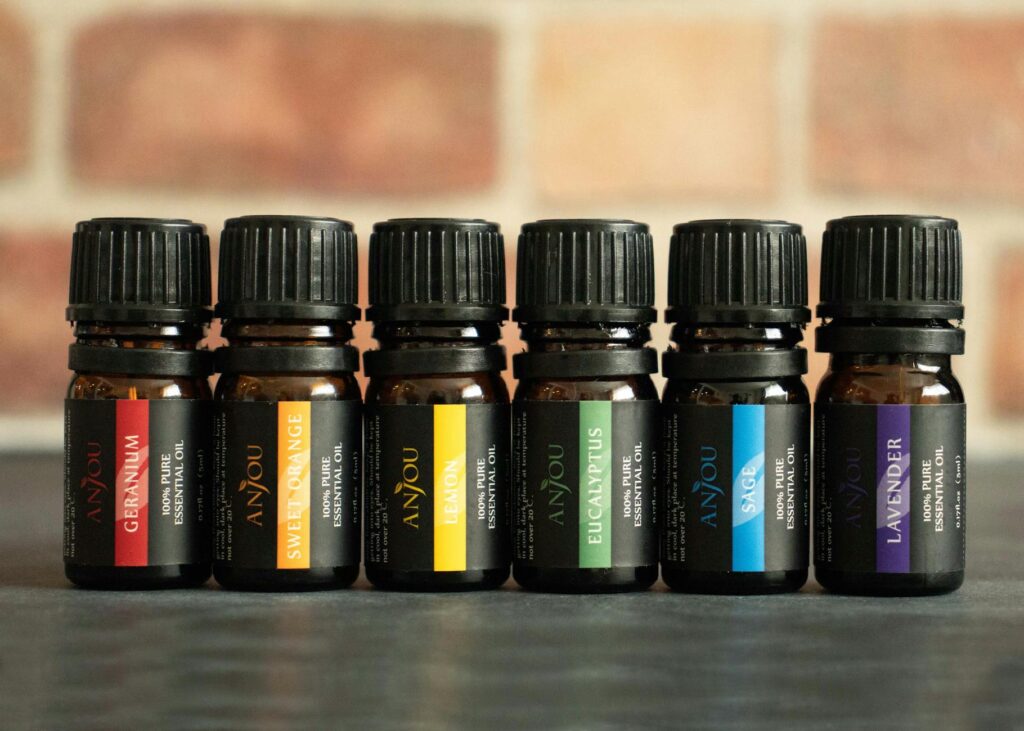
Complete Guide to Orange Oil Safety
Introduction
Orange oil, derived from the peels of oranges (Citrus sinensis), is a popular essential oil known for its uplifting aroma and diverse applications. As the interest in natural products continues to rise, understanding the safety aspects of orange oil is essential for both novice and experienced users. This guide aims to provide comprehensive information about orange oil safety, its benefits, common uses, and safety considerations.
What Is Orange Oil Safety?
Orange oil safety refers to the guidelines and best practices for using orange essential oil to minimize risks and adverse reactions. While orange oil is generally regarded as safe when used correctly, it is crucial to be informed about its properties and potential sensitivities. This section will discuss the importance of safety measures and responsible usage to ensure a positive experience.
Key Benefits and Properties
Orange oil is celebrated for its numerous beneficial properties, making it a versatile addition to aromatherapy and various formulations. Some of its key benefits include:
1. Mood Enhancement: The uplifting aroma of orange oil is often associated with reducing stress and promoting a sense of well-being. It is frequently used in diffusers to create a positive atmosphere.
2. Antimicrobial Properties: Preliminary studies indicate that orange oil exhibits antimicrobial activity, making it a popular ingredient in cleaning products and natural disinfectants.
3. Digestive Aid: While not a substitute for medical treatment, orange oil is sometimes included in formulations aimed at supporting digestive health.
4. Anti-inflammatory Effects: Some research points to the potential anti-inflammatory properties of orange oil, which may help alleviate discomfort when used topically in diluted forms.
5. Skin Benefits: Orange oil is often included in skincare products for its brightening effects, although proper dilution is crucial to avoid skin irritation.
Common Uses
Orange oil is utilized in various domains, including:
- Aromatherapy: As a popular choice for diffusing, orange oil is used to create uplifting environments and enhance mood.
- Cosmetics: It is commonly found in skincare products, perfumes, and hair care formulations due to its appealing scent and potential skin benefits.
- Household Cleaning: Thanks to its antimicrobial properties, orange oil is frequently included in natural cleaning products.
- Flavoring Agent: In culinary applications, orange oil can be used to enhance the flavor of dishes, beverages, and confections.
- Diffusion: Adding a few drops of orange oil to a diffuser can create a refreshing and uplifting atmosphere, making it ideal for homes, offices, or wellness centers.
- Inhalation: Inhaling the aroma directly from the bottle or through a tissue can provide a quick mood boost, especially in stressful situations.
- Topical Application: When diluted in a carrier oil, orange oil can be applied to the skin for localized benefits. Always conduct a patch test before applying it to larger areas.
- Avoid Sun Exposure: After applying orange oil topically, avoid direct sunlight or tanning beds for at least 12 hours to minimize the risk of phototoxicity.
- Quality Matters: Only consume food-grade oils from reputable sources, and preferably under the guidance of a qualified professional.
- Cool, Dark Place: Store orange oil in a cool, dark area to prevent degradation from heat and light. A dark glass bottle is ideal for preserving its properties.
- Tightly Sealed: Ensure that the bottle is tightly sealed to minimize exposure to air, which can lead to oxidation.
- Shelf Life: Orange oil typically has a shelf life of about 1-2 years when stored correctly, but its potency may diminish over time. Always check for changes in smell or appearance before use.
Aromatherapy Applications
In aromatherapy, orange oil is often applied in various ways to harness its therapeutic benefits:
Safety Considerations
While orange oil is generally safe for use, it is important to be aware of certain safety precautions:
Skin Sensitivity
1. Dilution: Always dilute orange oil before applying it to the skin. A general guideline is to use a dilution ratio of 1-2 drops of orange oil per teaspoon of carrier oil.
2. Patch Test: Conduct a patch test on a small area of skin to check for any adverse reactions before using it more widely. Wait 24 hours to see if any irritation occurs.
Phototoxicity
Orange oil, especially when extracted from the rind, may cause phototoxic reactions when exposed to sunlight. This can lead to skin irritation or burns.
Ingestion
Though orange oil is used in culinary applications, ingesting essential oils should generally be approached with caution.
Pregnant and Nursing Women
Pregnant and nursing women should exercise caution when using essential oils, including orange oil. It is advisable to consult with a healthcare professional before use.
Children and Pets
Essential oils, including orange oil, should be kept out of reach of children and pets. Always consult a qualified expert before using essential oils around animals, as some oils can be toxic to them.
Storage and Shelf Life
Proper storage is vital for maintaining the efficacy and safety of orange oil:
Frequently Asked Questions
Can orange oil be used in a diffuser?
Yes, orange oil is commonly used in diffusers. It can create a refreshing and uplifting atmosphere, especially when blended with other essential oils.
Is orange oil safe for skin application?
When diluted properly in a carrier oil, orange oil is generally safe for topical application. Always perform a patch test beforehand.
Can I ingest orange oil?
Ingesting orange oil should be approached with caution and only done with food-grade oils from reputable sources. Consultation with a healthcare professional is highly recommended.
How can I prevent phototoxic reactions?
To prevent phototoxic reactions, avoid sun exposure for at least 12 hours after applying orange oil to the skin.
Where can I buy high-quality orange oil?
High-quality orange oil can be purchased from reputable essential oil suppliers, health food stores, or online retailers specializing in natural products. Always check for purity and quality certifications.
What should I do if I experience irritation from orange oil?
If you experience irritation after using orange oil, discontinue use immediately, and cleanse the affected area with a carrier oil. If irritation persists, consult a healthcare professional.
Conclusion
Orange oil is a versatile and beneficial essential oil that can enhance well-being when used responsibly. Understanding the safety considerations is crucial for enjoyable experiences with this aromatic oil. By following proper guidelines for dilution, storage, and application, users can harness the benefits of orange oil while minimizing risks. Always prioritize safety and consult experts when in doubt, ensuring a positive journey into the world of aromatherapy and essential oils.