
Complete Guide to Ornamental Perennials
Introduction
Ornamental perennials are a captivating and diverse group of plants that can enhance gardens, landscapes, and indoor spaces. Unlike annuals, which complete their life cycle in one growing season, perennials return year after year, making them a popular choice for gardeners seeking lasting beauty and continuity in their landscapes. This guide aims to provide a comprehensive overview of ornamental perennials, including their characteristics, benefits, applications, and considerations for care.
What Is Ornamental Perennials?
Ornamental perennials are plants that live for more than two years and are primarily cultivated for their aesthetic appeal rather than for food or other utilitarian purposes. These plants can range from flowering herbs to lush foliage, and they are typically categorized based on their growth habits, flower types, and seasonal interest.
Characteristics of Ornamental Perennials
1. Longevity: Perennials can thrive for many years, often blooming season after season.
2. Diversity: They encompass a wide range of species, including flowering plants, grasses, and groundcovers.
3. Varied Habitats: Ornamental perennials can be found in various ecosystems, from dry deserts to wet wetlands.
4. Seasonal Changes: Many perennials exhibit seasonal variations, showcasing different aesthetics throughout the year.
Examples of Popular Ornamental Perennials
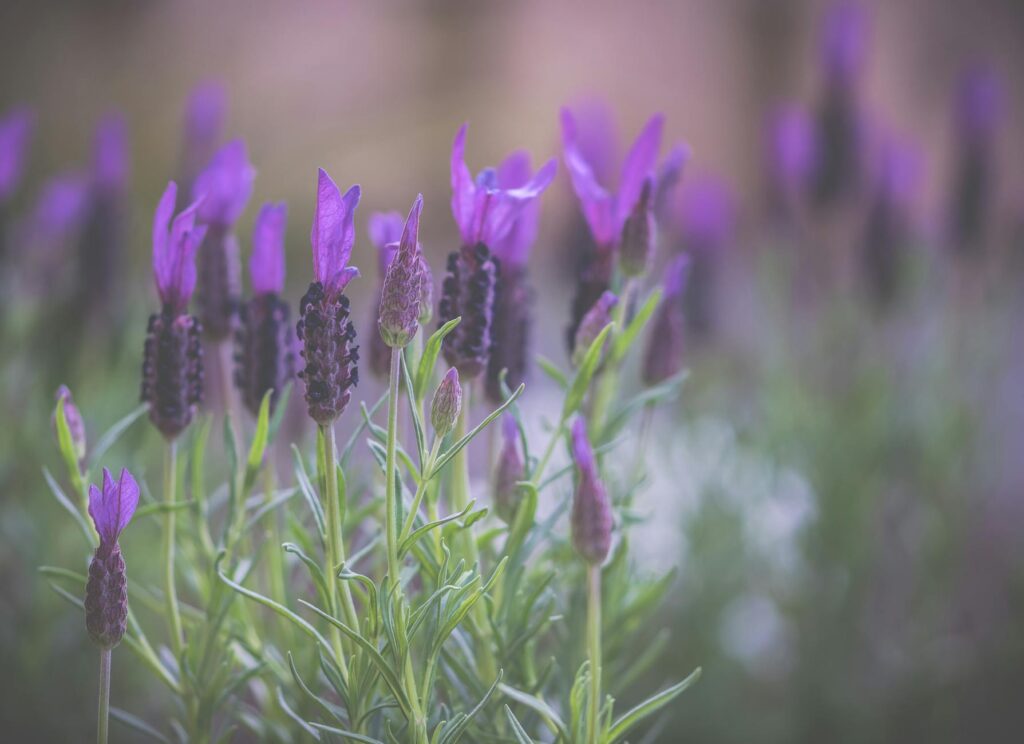
- Lavender (Lavandula spp.): Known for its fragrant flowers and calming properties.
- Daylily (Hemerocallis spp.): Offers vibrant blooms and is adaptable to various soil types.
- Peony (Paeonia spp.): Renowned for its large, fragrant flowers and lush foliage.
- Hosta (Hosta spp.): Valued for its attractive foliage and shade tolerance.
- Lavender: Known for its calming scent, it is often used in essential oils to reduce stress and anxiety.
- Rosemary (Rosmarinus officinalis): This aromatic herb is believed to enhance memory and concentration.
- Sage (Salvia officinalis): Its earthy fragrance is commonly associated with purification rituals and relaxation.
- Planting: Most perennials thrive when planted in well-drained soil and appropriate sunlight. Ensure proper spacing to allow for growth.
- Winter Care: In colder climates, some perennials may require mulching or protection to survive winter conditions.
- Storage: Essential oils should be stored in dark glass containers, away from direct sunlight and heat, to prolong their shelf life.
- Shelf Life: Generally, essential oils can last from 1 to 5 years, depending on the plant source and extraction method. Check for changes in scent or consistency as indicators of oil quality.
Key Benefits and Properties
Ornamental perennials offer numerous benefits that contribute to their popularity in gardening and landscaping:
1. Low Maintenance: Once established, many perennials require less care than annuals, making them ideal for busy gardeners.
2. Environmental Benefits: They support local ecosystems by providing habitats for pollinators and other wildlife.
3. Soil Health: Perennials help improve soil structure and prevent erosion with their extensive root systems.
4. Aesthetic Value: With a wide variety of colors, shapes, and sizes, ornamental perennials can create stunning visual displays in gardens and landscapes.
5. Seasonal Interest: Many perennials bloom at different times throughout the growing season, ensuring ongoing beauty.
Common Uses
Ornamental perennials have a multitude of uses in both residential and commercial settings:
1. Garden Design: They can be used in borders, beds, and as focal points in landscape designs.
2. Containers and Hanging Baskets: Some perennials thrive in pots, adding beauty to patios and balconies.
3. Wildlife Gardens: By selecting native perennials, gardeners can attract butterflies, bees, and birds to their landscapes.
4. Erosion Control: The deep root systems of many perennials help stabilize soil and reduce erosion on slopes and banks.
5. Cut Flowers: Many ornamental perennials, such as coneflowers and asters, make excellent cut flowers for arrangements.
Aromatherapy Applications
While ornamental perennials are primarily valued for their visual appeal, some also possess aromatic properties that can be utilized in aromatherapy. Aromatherapy involves using plant-derived essential oils and fragrances to promote emotional and physical well-being.
Notable Aromatic Perennials
Methods of Extraction
Essential oils from these aromatic perennials are typically extracted using methods such as steam distillation or cold pressing. The resulting oils can be utilized in diffusers, massage oils, or even in homemade skincare products.
Safety Considerations
When working with ornamental perennials, especially those used in aromatherapy, it is essential to consider safety:
1. Allergic Reactions: Some individuals may experience allergic reactions to certain plants. It is advisable to conduct a patch test before widespread use.
2. Toxicity: While many ornamental perennials are safe, some can be toxic to pets or humans if ingested. Research any new plant before incorporating it into your home or garden.
3. Proper Identification: Ensure correct identification of plants to avoid confusion with potentially harmful species.
4. Dilution: When using essential oils derived from perennials, it is crucial to dilute them properly, as concentrated oils can cause skin irritation.
Storage and Shelf Life
The storage and shelf life of ornamental perennials and their essential oils are crucial for maintaining their beauty and effectiveness:
For Plants
For Essential Oils
Frequently Asked Questions
1. How do I choose the right ornamental perennials for my garden?
Consider factors such as climate, soil type, sun exposure, and desired aesthetics when selecting perennials. Researching native plants for your area can also enhance biodiversity.
2. Can I grow ornamental perennials in pots?
Yes, many ornamental perennials thrive in containers. Ensure that pots have drainage holes and use quality potting soil for optimal growth.
3. When is the best time to plant ornamental perennials?
Spring and fall are generally the best times to plant perennials, as the weather is milder, allowing plants to establish their root systems before extremes of heat or cold.
4. How can I encourage blooming in my perennial plants?
Regular deadheading (removing spent flowers) can encourage more blooms. Additionally, proper watering, fertilization, and sunlight will support healthy growth and flowering.
5. Are ornamental perennials resilient to pests and diseases?
While many perennials are relatively resistant, they can still be susceptible to pests and diseases. Regular monitoring and maintaining good garden hygiene can help mitigate these issues.
Conclusion
Ornamental perennials are invaluable assets to any garden or landscape, offering both beauty and ecological benefits. With their diverse range of species and applications, they provide year-round interest and support for local ecosystems. As we explore the world of horticulture and aromatherapy, the significance of these enduring plants continues to grow, making them a worthy addition to any green space. Whether you are an experienced gardener or a novice, understanding and incorporating ornamental perennials can enhance your enjoyment and appreciation of nature.