
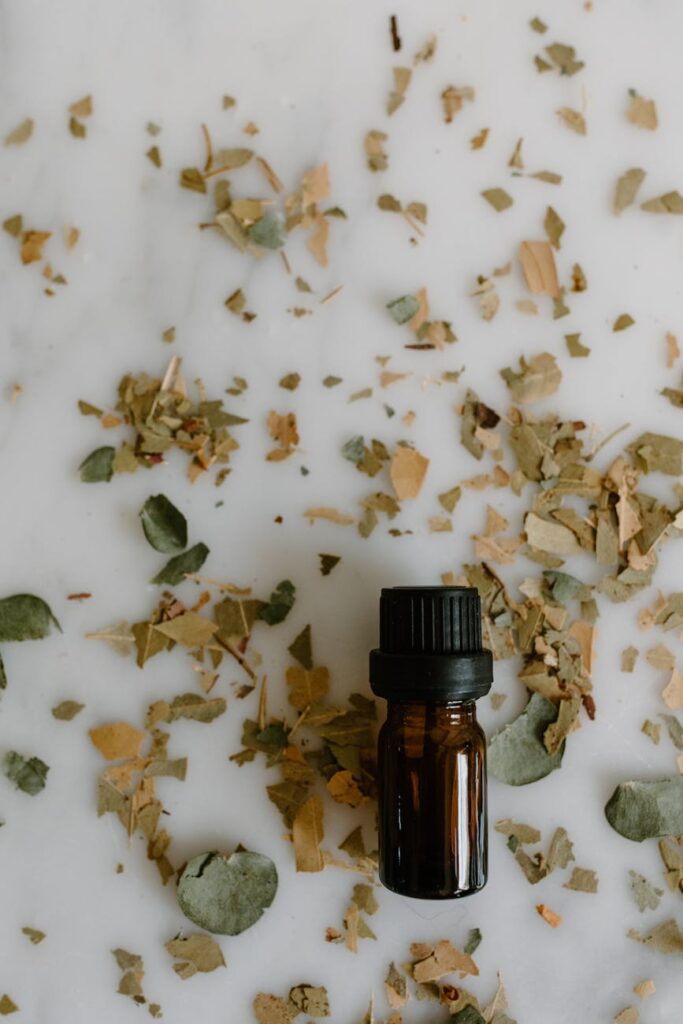
Complete Guide to Patchouli Oil Part 1
Introduction
Patchouli oil, derived from the leaves of the Pogostemon cablin plant, has been cherished for centuries across various cultures for its rich, earthy aroma and numerous applications. Known for its distinctive scent, patchouli oil has found a place in perfumery, skincare, and wellness practices, particularly within the realm of aromatherapy. This guide aims to provide a comprehensive overview of patchouli oil, exploring its origins, benefits, uses, and more.
What Is Patchouli Oil?
Patchouli oil is an essential oil extracted through steam distillation from the dried leaves of the patchouli plant, a perennial herb native to Southeast Asia. The plant belongs to the mint family (Lamiaceae) and can grow up to three feet tall. Patchouli is characterized by its large, dark green leaves and small white flowers.
The oil has a thick consistency and a deep, musky scent that is often described as warm, earthy, and slightly sweet. Its unique fragrance has made it a staple in the fragrance industry, particularly in the production of perfumes and incense.
Key Benefits and Properties
Patchouli oil has been associated with various benefits and properties, which can be categorized as follows:
1. Antimicrobial Properties
Patchouli oil exhibits antimicrobial activity, which means it may help inhibit the growth of certain bacteria and fungi. This quality makes it a popular ingredient in natural cleaning products and personal care items.
2. Anti-inflammatory Effects
The oil possesses anti-inflammatory properties that can aid in soothing skin irritations and reducing redness. This characteristic makes patchouli oil a common addition to skincare formulations.
3. Mood Enhancer
The rich, grounding aroma of patchouli oil is believed to have mood-lifting effects. It is often used in aromatherapy to promote feelings of relaxation and reduce stress.
4. Skin Regeneration
Patchouli oil is known for its potential to support skin health. It may aid in the regeneration of skin cells and help improve the appearance of scars and blemishes.
5. Aphrodisiac Qualities
Historically, patchouli oil has been regarded as an aphrodisiac. Its earthy scent is thought to enhance sensuality and intimacy.
Common Uses
Patchouli oil has a wide array of applications, making it a versatile addition to various practices and products. Some common uses include:
1. Perfume and Fragrance
Due to its strong and captivating scent, patchouli oil is frequently used in the creation of perfumes, colognes, and scented candles. It serves as a base note, providing depth and warmth to fragrance compositions.
2. Skincare Products
Patchouli oil is often included in lotions, creams, and serums due to its potential skin benefits. It is believed to help soothe dry or irritated skin and promote a healthy complexion.
3. Aromatherapy
In aromatherapy, patchouli oil is used in diffusers, inhalers, and massage oils. Its calming properties make it a popular choice for creating a relaxing environment.
4. Home Fragrance
Patchouli oil can be used in home fragrance products such as room sprays and potpourri. Its distinct scent helps to create a warm and inviting atmosphere.
Aromatherapy Applications
Aromatherapy harnesses the therapeutic properties of essential oils to enhance physical, emotional, and mental well-being. Patchouli oil plays a significant role in this practice. Here are some common aromatherapy applications:
1. Diffusion
Using a diffuser, patchouli oil can be dispersed into the air, allowing its aroma to fill a space. This method is effective for creating a calming environment, particularly during meditation or relaxation practices.
2. Topical Application
When diluted in a carrier oil, patchouli oil can be applied to the skin. This method is often used to promote relaxation during massages or to target specific areas of concern, such as minor irritations.
3. Bath Soaks
Adding a few drops of patchouli oil to a warm bath can enhance the bathing experience. The oil’s scent may promote relaxation and alleviate stress.
4. Inhalation
Inhaling patchouli oil directly from the bottle or using an inhaler can provide immediate effects, such as calming nerves or enhancing focus.
Safety Considerations
While patchouli oil is generally considered safe for use, there are important safety considerations to keep in mind:
1. Dilution
Essential oils should always be diluted in a carrier oil before topical application to minimize the risk of skin irritation. A common dilution ratio is 1-2 drops of essential oil per teaspoon of carrier oil.
2. Patch Test
Before using patchouli oil or any new essential oil, it is advisable to conduct a patch test. Apply a small amount of diluted oil to a discreet area of skin and observe for any adverse reactions over 24 hours.
3. Pregnancy and Nursing
Pregnant or nursing individuals should consult a healthcare professional before using patchouli oil or any essential oil, as certain oils may not be recommended during these periods.
4. Allergies
Individuals with known allergies to plants in the mint family may want to exercise caution when using patchouli oil. Always consult a healthcare professional if uncertain.
Storage and Shelf Life
Proper storage is essential for maintaining the quality and potency of patchouli oil. Here are some tips:
1. Storage Conditions
Keep patchouli oil in a cool, dark place away from direct sunlight. A dark glass container is ideal for preserving the oil’s integrity.
2. Shelf Life
When stored correctly, patchouli oil typically has a shelf life of 3 to 5 years. However, the oil may degrade over time, so it is important to check for any changes in scent or consistency before use.
Frequently Asked Questions
1. Is patchouli oil safe for children?
Patchouli oil can be used with children, but it is essential to dilute it appropriately and consult a healthcare professional for guidance.
2. Can patchouli oil be ingested?
Patchouli oil is not recommended for ingestion unless under the supervision of a qualified healthcare professional.
3. What is the best way to use patchouli oil for relaxation?
Diffusing patchouli oil in a room or adding it to a warm bath can create a relaxing atmosphere. Additionally, it can be used in massage oils for a calming experience.
4. What are the best carrier oils to use with patchouli oil?
Common carrier oils include coconut oil, jojoba oil, and sweet almond oil. Choose a carrier oil based on personal preference and desired properties.
5. How can I incorporate patchouli oil into my skincare routine?
Patchouli oil can be added to lotions or creams for added benefits. Always ensure it is diluted before application to the skin.
Conclusion
Patchouli oil is a remarkable essential oil with a rich history and wide-ranging applications. From its captivating scent to its potential benefits, it serves as a valuable addition to aromatherapy and natural wellness practices. In the next part of this guide, we will delve deeper into the cultivation, extraction methods, and chemical composition of patchouli oil, further enriching your understanding of this fascinating oil.