
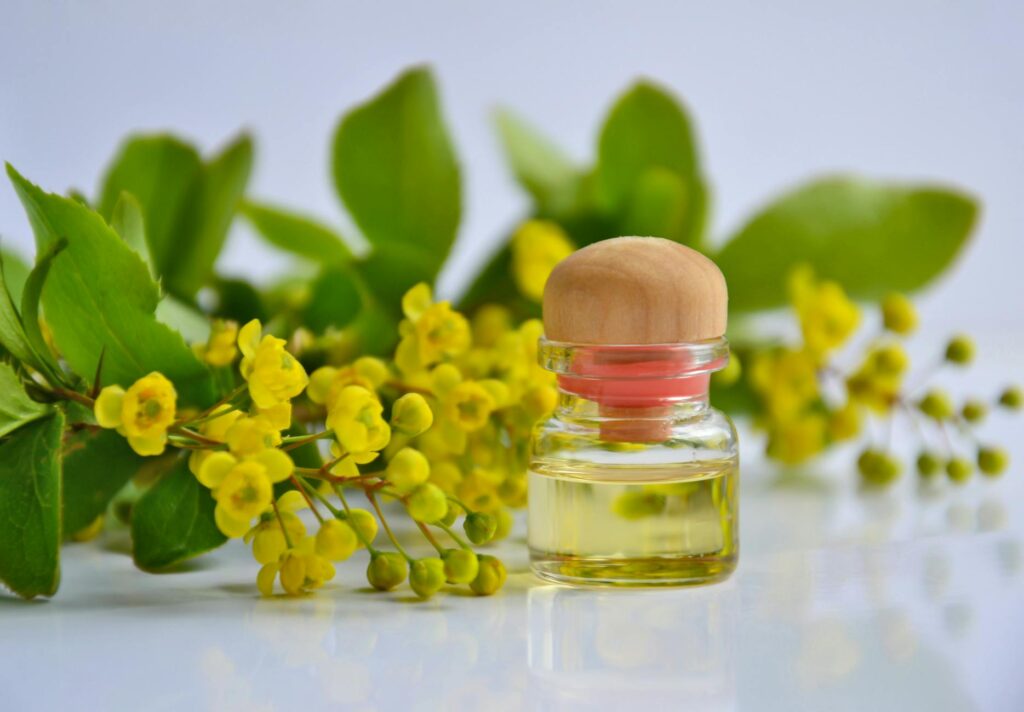
Complete Guide to Patchouli Oil Part 1
Introduction
Patchouli oil, derived from the leaves of the Pogostemon cablin plant, has a long-standing history in various cultures for its aromatic and therapeutic properties. This essential oil has captivated people for centuries, becoming a staple in the world of aromatherapy and natural perfumery. In this guide, we will explore the origins, benefits, common uses, and applications of patchouli oil, providing a comprehensive understanding of this unique oil.
What Is Patchouli Oil?
Patchouli oil is extracted through steam distillation from the leaves of the patchouli plant, a perennial herb native to Southeast Asia. The plant typically grows to a height of about three feet and features square stems and large, green leaves. The essential oil produced has a rich, earthy scent that can evoke feelings of warmth and comfort.
The composition of patchouli oil is complex, containing numerous chemical constituents, including patchoulol, alpha-bulnesene, and beta-patchoulene. These compounds contribute to its distinctive aroma and various properties, making patchouli oil a versatile addition to natural health and beauty practices.
Key Benefits and Properties
Patchouli oil is celebrated for its wide array of benefits and properties, many of which are deeply rooted in traditional uses. Some key characteristics include:
Antimicrobial Properties
Patchouli oil has demonstrated antimicrobial activity, making it useful in formulations aimed at preventing bacterial and fungal growth. This property is one reason it is often incorporated into skin care products.
Anti-inflammatory Effects
The oil is believed to possess anti-inflammatory properties, which can help soothe irritated skin and reduce redness or swelling.
Mood Enhancement
The aroma of patchouli is often associated with mood enhancement and relaxation. Many users report feelings of calmness and well-being when using the oil, making it a favored choice in aromatherapy.
Skin Health
Patchouli oil is known for its potential benefits to skin health. It may help in the healing of minor cuts, wounds, and skin irritations. Additionally, it is often used in formulations for its moisturizing properties.
Insect Repellent
Due to its strong scent, patchouli oil can act as a natural insect repellent. It is commonly used in homemade repellent blends.
Common Uses
Patchouli oil has a variety of applications in daily life, ranging from personal care to household uses. Here are some common uses:
In Personal Care Products
Patchouli oil is frequently found in perfumes, lotions, and soaps. Its rich scent makes it a popular base note in fragrance formulation, providing depth and complexity.
In Aromatherapy
This oil is widely used in diffusers and personal inhalers to promote relaxation and alleviate stress. It can be blended with other essential oils to create unique aromatic experiences.
In Household Cleaning
Patchouli oil can be incorporated into homemade cleaning solutions for its antimicrobial properties and pleasant fragrance. It can help to deodorize spaces while offering a natural alternative to chemical cleaners.
In Meditation Practices
Many practitioners of meditation and yoga use patchouli oil to create an inviting and grounding atmosphere. Its earthy aroma is thought to enhance mindfulness and focus.
Aromatherapy Applications
Patchouli oil is particularly valued in aromatherapy for its calming and grounding effects. Here are several ways to incorporate it into your practice:
Diffusion
Using a diffuser, you can disperse patchouli oil into the air, allowing its aroma to fill the space. This method is effective for creating a serene environment conducive to relaxation and stress relief.
Topical Application
When diluted with a carrier oil such as coconut or jojoba oil, patchouli oil can be applied to pulse points or areas of discomfort. This method may enhance its calming effects and promote skin health. Always conduct a patch test first to check for any potential skin sensitivities.
Bathing
Adding a few drops of patchouli oil to a warm bath can create a soothing experience. The oil not only adds a pleasant aroma but may also nourish the skin.
Inhalation
Inhaling patchouli oil directly from the bottle or via a personal inhaler can provide immediate calming effects. This method is particularly useful for overcoming feelings of anxiety or restlessness.
Safety Considerations
While patchouli oil is generally considered safe for use, there are some important safety considerations to keep in mind:
Skin Sensitivity
As with any essential oil, patchouli oil should be diluted before topical application to minimize the risk of skin irritation. A common dilution ratio is 2-3 drops of essential oil per teaspoon of carrier oil.
Allergic Reactions
Individuals with known allergies to plants in the mint family or related species may want to exercise caution when using patchouli oil. It is always advisable to conduct a patch test on a small area of skin before widespread use.
Pregnancy and Nursing
Pregnant or nursing individuals should consult with a qualified professional before using essential oils, including patchouli oil, to ensure safety for both mother and child.
Interaction with Medications
Patchouli oil may interact with certain medications. It is essential to consult a healthcare professional if you are taking medications or have specific health concerns.
Storage and Shelf Life
Proper storage is essential to maintain the quality and effectiveness of patchouli oil. Here are some storage tips:
Store in a Dark Glass Bottle
Essential oils should be stored in dark glass bottles to protect them from light, which can degrade their quality over time.
Keep in a Cool, Dry Place
Avoid exposing patchouli oil to extreme temperatures or humidity. A cool, dry cupboard is ideal for storing essential oils.
Shelf Life
Patchouli oil has a relatively long shelf life, often lasting up to 5 years when stored correctly. However, it’s always advisable to check for any changes in scent or consistency before use.
Frequently Asked Questions
What is the origin of patchouli oil?
Patchouli oil is derived from the leaves of the Pogostemon cablin plant, which is native to tropical regions of Asia, particularly India, Indonesia, and Malaysia.
Can patchouli oil be used on pets?
While some essential oils are safe for pets, patchouli oil should be used with caution. Consult a veterinarian before using any essential oils around animals.
Is patchouli oil safe for children?
Patchouli oil is generally not recommended for young children. Always consult a healthcare professional before using essential oils on children.
How can I incorporate patchouli oil into my skincare routine?
Patchouli oil can be added to creams, lotions, or serums in small concentrations. Ensure it is diluted with a suitable carrier oil to avoid skin irritation.
What blends well with patchouli oil?
Patchouli oil pairs well with a variety of essential oils, including lavender, bergamot, cedarwood, and orange. Experimenting with different combinations can create unique and pleasing aromas.
—
This comprehensive guide serves as an introduction to patchouli oil, highlighting its benefits, uses, and applications. In the subsequent part of this series, we will delve deeper into specific recipes and blends utilizing patchouli oil, allowing readers to explore its full potential in their everyday lives.