
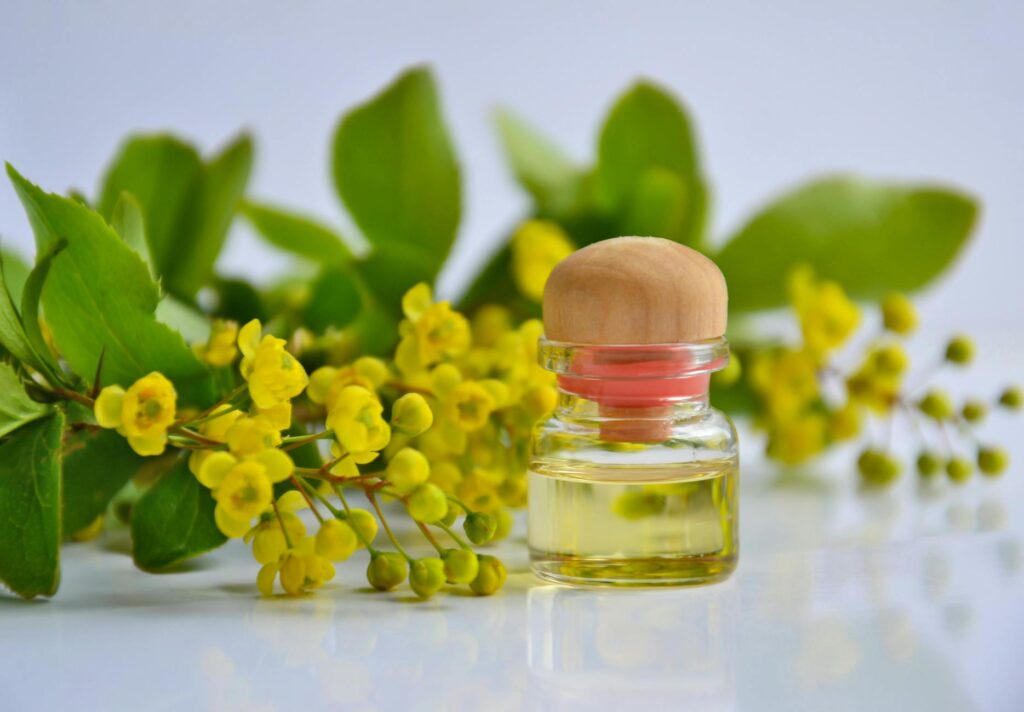
Complete Guide to Patchouli Oil Part 3
Introduction
Patchouli oil, derived from the leaves of the Pogostemon cablin plant, has been a staple in the world of aromatherapy and perfumery for centuries. Its rich, earthy scent is not only appealing but also offers a plethora of benefits. This article aims to provide a comprehensive overview of patchouli oil, exploring its properties, common uses, safety considerations, and more.
What Is Patchouli Oil?
Patchouli oil is an essential oil extracted through steam distillation from the leaves of the patchouli plant, a member of the mint family. Native to Southeast Asia, particularly Indonesia and India, patchouli has been traditionally used in various cultural practices, from incense in religious rituals to a key ingredient in perfumes. Its distinctive, musky aroma has made it a popular choice in the fragrance industry, often associated with the 1960s and 1970s counterculture.
The oil is characterized by its complex chemical composition, which includes compounds such as patchoulol, alpha-bulnesene, and beta-guaiene. These components contribute not only to its unique scent but also to its various properties and benefits.
Key Benefits and Properties
Patchouli oil is known for its multifaceted benefits. While the following properties are widely recognized, it is important to understand that individual experiences may vary, and the oil should be used thoughtfully.
1. Calming and Grounding Effects
Patchouli oil is often used for its calming properties. Its rich, earthy aroma is thought to promote relaxation and grounding, making it a popular choice in meditation and mindfulness practices.
2. Antiseptic Properties
The oil is believed to have antiseptic qualities, making it a common ingredient in skincare products. It can help cleanse minor wounds and support overall skin health, though it should be noted that any skin application should be done with care.
3. Mood Enhancement
Many individuals report that patchouli oil can help uplift moods and alleviate feelings of anxiety or stress. Its deep, musky scent is often associated with feelings of comfort and stability.
4. Insect Repellent
Patchouli oil is known for its ability to repel insects, making it a useful addition to natural insect repellent formulations. Its strong aroma is unappealing to many pests, providing a natural alternative to chemical repellents.
5. Aphrodisiac Qualities
In some cultures, patchouli oil is thought to possess aphrodisiac properties. Its warm, exotic scent is often used in romantic settings or blended with other essential oils to create enticing fragrances.
Common Uses
Patchouli oil can be utilized in a variety of ways, each catering to different preferences and needs.
1. Aromatherapy Diffusers
One of the most common methods of using patchouli oil is through aromatherapy diffusers. Adding a few drops to a diffuser can create a calming ambiance in any space.
2. Massage Oils
Patchouli oil can be diluted in a carrier oil, such as sweet almond or jojoba oil, and used for massage. Its soothing properties can enhance the overall experience.
3. Skincare Products
Incorporating patchouli oil into skincare routines can be beneficial. It is often found in creams, lotions, and serums aimed at promoting healthy skin.
4. Homemade Cleaning Products
Due to its antiseptic properties, patchouli oil can be added to homemade cleaning solutions. Its pleasant scent can also help mask the odor of typical cleaning agents.
5. Perfumes and Fragrances
Patchouli oil is a prized ingredient in perfumery. Its rich aroma serves as a base note, enhancing the longevity and depth of fragrances.
Aromatherapy Applications
The application of patchouli oil in aromatherapy extends beyond simple diffusion. Here are several methods to experience its benefits:
1. Inhalation
Direct inhalation of patchouli oil is a straightforward way to enjoy its calming effects. A few drops can be placed on a tissue or cotton ball for inhalation, or added to a personal inhaler.
2. Bathing
Adding patchouli oil to bathwater can create a luxurious and relaxing experience. It is best to mix the oil with a carrier oil or emulsifier to avoid skin irritation.
3. Blends with Other Essential Oils
Patchouli oil blends well with various essential oils, including lavender, sandalwood, and bergamot. Creating personalized blends can enhance its effects and create unique aromatic experiences.
4. Meditation Practices
Incorporating patchouli oil into meditation can deepen the practice. Its grounding properties help establish a tranquil mindset, making it easier to focus.
Safety Considerations
While patchouli oil is generally regarded as safe for use, there are several precautions to keep in mind:
1. Skin Sensitivity
Patchouli oil should be diluted before topical application. A patch test on a small area of skin is recommended to check for any adverse reactions.
2. Pregnancy and Nursing
Pregnant or nursing individuals should consult with a healthcare professional before using patchouli oil. It is always best to err on the side of caution when it comes to essential oils during these sensitive times.
3. Interactions with Medications
Individuals taking medications or with specific health conditions should consult with a healthcare provider prior to using patchouli oil, as it may interact with certain treatments.
4. Storage
Essential oils, including patchouli oil, should be stored in a cool, dark place to maintain their potency. Proper storage will help avoid degradation and ensure the oil remains effective.
Storage and Shelf Life
The shelf life of patchouli oil can vary depending on its quality and how it is stored. Generally, when stored properly, patchouli oil can last for several years.
1. Storage Tips
- Keep the oil in a dark glass bottle to protect it from light.
- Store it in a cool, dry place, away from direct sunlight and heat sources.
- Ensure the cap is tightly sealed when not in use to minimize exposure to air.
2. Signs of Spoilage
If the oil develops an unusual odor, changes color, or shows signs of cloudiness, it may be time to dispose of it. Always trust your senses when determining the freshness of essential oils.
Frequently Asked Questions
1. Can patchouli oil be used directly on the skin?
Patchouli oil should always be diluted with a carrier oil before applying it to the skin to prevent irritation.
2. Is patchouli oil safe for children?
While patchouli oil can be used safely in diluted forms for older children, it is best to consult with a health professional before using it for younger children.
3. What are the best essential oils to blend with patchouli?
Patchouli oil blends well with a variety of essential oils, including lavender, bergamot, sandalwood, and ylang-ylang, allowing for unique and personalized fragrance experiences.
4. How can I use patchouli oil in my home?
Patchouli oil can be used in diffusers, mixed into homemade cleaning products, or added to bathwater for a soothing experience.
5. What is the origin of patchouli oil?
Patchouli oil is derived from the leaves of the Pogostemon cablin plant, which is native to Southeast Asia, particularly Indonesia and India.
Conclusion
Patchouli oil is a versatile and richly aromatic essential oil with a long history of use in various cultural practices. Its numerous benefits, ranging from calming effects to antiseptic properties, make it a valuable addition to aromatherapy and personal care routines. By understanding how to use patchouli oil safely and effectively, individuals can enjoy its unique scent and benefits in their daily lives. As with any essential oil, knowledge and caution are paramount to ensure a positive and enriching experience.