
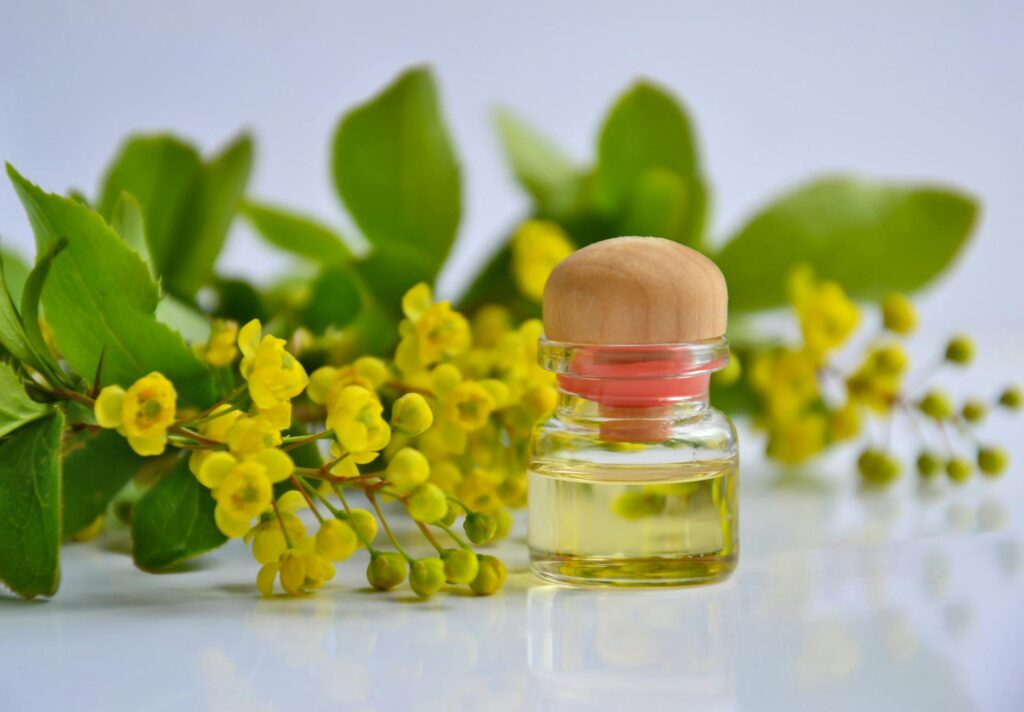
Complete Guide to Patchouli Oil Part 4
Introduction
Patchouli oil, derived from the leaves of the Pogostemon cablin plant, has captivated the senses of many across the globe. This rich, earthy essential oil has a unique aroma that has found its place in various cultures, particularly in fragrance, skincare, and holistic practices. In this section of our guide, we will delve deeper into the essential aspects of patchouli oil, exploring its properties, applications, and considerations for safe usage.
What Is Patchouli Oil?
Patchouli oil is an essential oil extracted from the leaves of the patchouli plant, a perennial shrub native to Southeast Asia. The extraction process typically involves steam distillation, which captures the oil’s aromatic compounds while preserving its distinct scent profile. The oil is characterized by its deep, musky, and slightly sweet aroma, which can evoke feelings of warmth and grounding.
The plant itself grows to about three feet in height and features broad, ovate leaves that are dark green and aromatic. Historically, patchouli has been used in traditional medicine and as a natural insect repellent. Its popularity surged in the 1960s and 1970s, becoming synonymous with the counterculture movement and the hippie era. Today, patchouli oil continues to be a staple in various industries, including cosmetics, perfumery, and aromatherapy.
Key Benefits and Properties
Patchouli oil is known for its numerous beneficial properties, which have been appreciated for centuries. Some of the key benefits include:
1. Antimicrobial Properties: Patchouli oil exhibits antibacterial and antifungal properties, making it a popular choice for natural cleaning products and skin formulations.
2. Anti-inflammatory Effects: The oil is believed to possess anti-inflammatory properties that may help soothe irritated skin and reduce redness.
3. Mood Enhancer: The grounding and calming aroma of patchouli oil is often used in aromatherapy to alleviate feelings of stress and anxiety, promote relaxation, and enhance emotional balance.
4. Insect Repellent: Traditionally, patchouli oil has been employed as a natural insect repellent, effective against various pests.
5. Skin Nourishment: With its moisturizing properties, patchouli oil is frequently included in skincare products to promote a healthy complexion and reduce the appearance of scars or blemishes.
6. Digestive Aid: Anecdotal evidence suggests that patchouli oil may assist in digestion and alleviate discomfort, although further research is needed in this area.
While these benefits are widely acknowledged, it is important to remember that individual experiences may vary, and scientific research is ongoing.
Common Uses
Patchouli oil is utilized in a variety of applications, reflecting its versatile nature:
- Perfumery: Its deep, musky scent makes patchouli a popular base note in perfumes and colognes. It blends well with other essential oils, enhancing fragrance profiles.
- Aromatherapy: In diffusers and personal inhalers, patchouli oil is used to create a calming atmosphere, often in combination with other essential oils like lavender or bergamot.
- Cosmetics and Skincare: The oil is commonly found in lotions, creams, and soaps, valued for its moisturizing and soothing properties.
- Candles and Incense: Patchouli’s rich aroma is used in scented candles and incense sticks, providing a warm, inviting atmosphere.
- Household Products: Its antimicrobial properties make patchouli oil a beneficial ingredient in natural cleaning solutions and air fresheners.
- Skin Sensitivity: As with any essential oil, it is advisable to perform a patch test before applying patchouli oil topically. Dilute it with a carrier oil and apply a small amount to a discreet area of skin to check for any adverse reactions.
- Pregnancy and Nursing: Pregnant or nursing individuals should consult with a healthcare professional before using patchouli oil, as its effects during these periods are not well-studied.
- Interactions with Medications: If you are taking medications or have underlying health conditions, it is prudent to consult a healthcare professional prior to using patchouli oil, especially for topical applications.
- Quality of Oil: Ensure that you are using high-quality, pure patchouli oil from reputable sources. Adulterated or synthetic oils may not provide the same benefits and can potentially cause adverse reactions.
- Not for Ingestion: Patchouli oil is not intended for internal use, and ingestion can lead to toxicity. Always use essential oils as directed and keep them out of reach of children.
- Dark Glass Bottles: Store patchouli oil in dark-colored glass bottles to protect it from light, which can degrade the oil over time.
- Cool, Dry Place: Keep the oil in a cool, dry location, away from direct sunlight and heat sources. A cupboard or drawer is often ideal.
- Tightly Sealed: Ensure that the bottle is tightly sealed to prevent oxidation and evaporation.
- Shelf Life: When stored properly, patchouli oil typically has a shelf life of about 3 to 5 years. However, it is advisable to check for any changes in aroma or consistency before use.
Aromatherapy Applications
The aromatic benefits of patchouli oil extend into the realm of aromatherapy, where it is often employed for its psychological and physiological effects. Here are some popular applications:
1. Diffusion: Using a diffuser, patchouli oil can fill a room with its rich aroma, helping to create a tranquil environment. It can be blended with other essential oils like citrus or floral scents for a balanced atmosphere.
2. Topical Use: When diluted with a carrier oil, patchouli oil can be applied to pulse points or areas of tension to promote relaxation. Popular carrier oils include jojoba, coconut, and sweet almond oil.
3. Bathing: Adding a few drops of patchouli oil to a warm bath can enhance relaxation and improve mood, creating a soothing spa-like experience at home.
4. Inhalation: Inhaling patchouli oil directly from the bottle or a cotton ball can provide immediate stress relief and grounding effects.
5. Massage: Incorporating patchouli oil into massage oils can enhance the experience, as its calming properties may help alleviate tension in the muscles.
Safety Considerations
While patchouli oil is generally considered safe for most users, there are several important safety considerations to keep in mind:
Storage and Shelf Life
To maintain the integrity and potency of patchouli oil, proper storage is essential. Consider the following guidelines:
Frequently Asked Questions
1. Is patchouli oil safe for children?
Patchouli oil may be safe for children when diluted adequately in a carrier oil. However, it is always best to consult with a healthcare professional before using essential oils with children.
2. Can patchouli oil be used in cooking or food?
Patchouli oil is not recommended for culinary use. It is primarily intended for external applications and aromatherapy.
3. What other essential oils blend well with patchouli?
Patchouli oil pairs well with various essential oils, including bergamot, cedarwood, lavender, sandalwood, and orange. Blending can enhance its aromatic profile and create unique scent combinations.
4. Can I use patchouli oil for hair care?
Yes, patchouli oil can be beneficial for hair care when diluted in a carrier oil or added to shampoos and conditioners. It may help moisturize the scalp and promote overall hair health.
5. How can I tell if my patchouli oil is of good quality?
High-quality patchouli oil should have a rich, earthy aroma. It should be sourced from reputable suppliers, preferably with information on its extraction method and origin. Always check for purity and avoid synthetic additives.
—
In conclusion, patchouli oil is a versatile essential oil with a rich history and a myriad of applications. Whether used in aromatherapy, skincare, or as a fragrance component, its distinctive properties make it a valuable addition to holistic practices. As with any essential oil, it is essential to use patchouli oil responsibly and with an understanding of its benefits and limitations.