
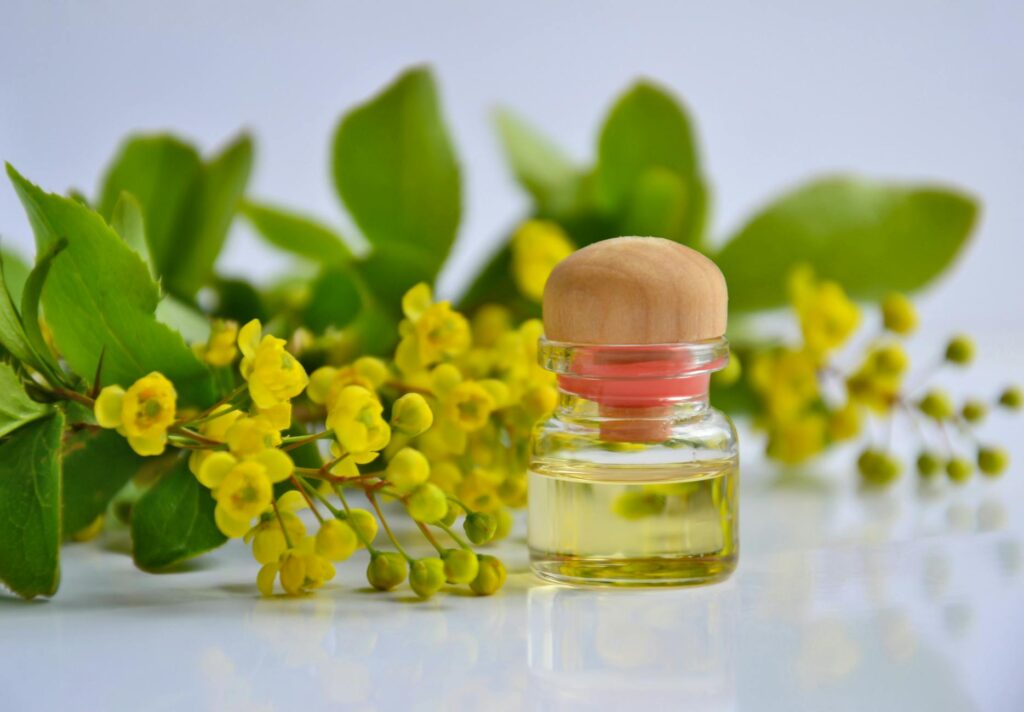
Complete Guide to Patchouli Oil Part 6
Introduction
Patchouli oil, derived from the leaves of the Pogostemon cablin plant, is a distinctive and versatile essential oil that has captivated cultures around the world for centuries. Renowned for its rich, earthy aroma, patchouli oil is not only a popular choice in perfumery but also finds applications in aromatherapy, skincare, and household products. This article serves as a comprehensive guide to understanding patchouli oil, exploring its properties, uses, and safety considerations.
What Is Patchouli Oil?
Patchouli oil is extracted through steam distillation of the dried leaves of the patchouli plant, a member of the mint family native to Southeast Asia. The oil is characterized by its deep, musky fragrance, which can vary significantly based on the plant’s growing conditions, harvesting methods, and distillation techniques.
The oil is typically dark brown or amber in color and has a viscous consistency. Patchouli oil’s complex scent profile contains notes of wood, spice, and sweetness, making it highly prized in the fragrance industry. Its historical significance dates back to the 19th century when it became associated with the bohemian lifestyle and the counterculture movement of the 1960s.
Key Benefits and Properties
Patchouli oil is celebrated for its various beneficial properties, making it a valuable addition to aromatherapy and holistic practices. Key properties include:
- Antiseptic: Patchouli oil has been recognized for its potential to inhibit the growth of bacteria and fungi, which may help in preventing infections when used topically.
- Anti-inflammatory: The oil is believed to possess anti-inflammatory properties, making it useful for soothing irritated skin and alleviating discomfort associated with inflammation.
- Sedative: The calming effects of patchouli oil may help reduce anxiety and promote relaxation, contributing to an overall sense of well-being.
- Mood Enhancer: Its warm and grounding scent can help lift spirits and reduce feelings of stress, making it popular in aromatherapy practices aimed at improving mental clarity and focus.
- Perfumery: Its rich scent is often used as a base note in perfumes, providing depth and longevity to fragrances.
- Skincare: Due to its antiseptic and anti-inflammatory properties, patchouli oil is commonly found in lotions, creams, and soaps. It is believed to help with skin regeneration and may be beneficial for dry or flaky skin conditions.
- Household Products: Patchouli oil is frequently incorporated into natural cleaning products and insect repellents due to its antimicrobial properties.
- Incense and Candles: The oil’s strong aroma makes it a popular choice for incense and scented candles, providing a calming atmosphere for meditation or relaxation.
- Diffusion: Adding a few drops of patchouli oil to a diffuser can create a soothing environment conducive to relaxation and meditation. It pairs well with other essential oils such as bergamot, lavender, and sandalwood.
- Bathing: Adding patchouli oil to a warm bath can enhance relaxation. It is often blended with carrier oils, such as coconut or jojoba oil, before adding to bathwater to ensure even distribution.
- Massage: When diluted with a carrier oil, patchouli oil can be used in massage therapy. Its calming effects may help relieve tension in the body and promote a sense of tranquility.
- Inhalation: Inhalation of patchouli oil can be performed directly from the bottle or through a personal inhaler. This method is particularly effective for those seeking immediate emotional relief.
- Dilution: Essential oils should always be diluted before topical application to prevent skin irritation. A common dilution ratio is 2-3 drops of essential oil per teaspoon of carrier oil.
- Allergic Reactions: Conduct a patch test before using patchouli oil on larger areas of the skin. Apply a small amount diluted with a carrier oil to a discreet area and wait 24 hours to check for any adverse reactions.
- Pregnancy and Nursing: Pregnant or nursing individuals should consult with a healthcare professional before using essential oils, including patchouli oil.
- Children: Patchouli oil is not recommended for use in children under the age of two. For older children, ensure proper dilution and consult with a healthcare provider.
- Sensitivity: Individuals with sensitive skin or specific allergies should exercise caution with essential oils. If any irritation occurs, discontinue use immediately.
- Dark Glass Containers: Store patchouli oil in dark glass bottles to protect it from light, which can degrade the oil over time.
- Cool, Dry Place: Keep the oil in a cool, dry environment away from direct sunlight and heat sources to prevent oxidation and loss of aroma.
- Shelf Life: When stored correctly, patchouli oil can have a shelf life of 5 to 10 years. However, it is advisable to check for any changes in scent or consistency before use.
Common Uses
Patchouli oil is utilized in a variety of applications, including:
Aromatherapy Applications
In aromatherapy, patchouli oil is often used for its grounding and stabilizing effects. It can be diffused, inhaled, or applied topically (when diluted) to aid in various emotional and psychological states. Here are some common ways to incorporate patchouli oil into aromatherapy:
Safety Considerations
While patchouli oil is generally regarded as safe for use, it is essential to adhere to certain safety guidelines:
Storage and Shelf Life
To maintain the quality and potency of patchouli oil, proper storage is essential. Here are some tips for storing patchouli oil effectively:
Frequently Asked Questions
1. Can patchouli oil be used for skin conditions?
Patchouli oil is commonly included in skincare formulations due to its antiseptic and anti-inflammatory properties. It may help with conditions like dry skin, acne, or minor cuts, but it is essential to dilute it and conduct a patch test first.
2. Is patchouli oil safe for diffusing?
Yes, patchouli oil is generally considered safe for diffusing in a well-ventilated area. It can create a calming and grounding atmosphere, making it an excellent choice for relaxation and meditation.
3. How does patchouli oil blend with other essential oils?
Patchouli oil blends well with various essential oils, including citrus oils like bergamot and sweet orange, floral oils like rose and geranium, and woodsy oils like cedarwood and sandalwood. Experimenting with different combinations can yield unique scent profiles.
4. Where can I purchase high-quality patchouli oil?
High-quality patchouli oil can be found in health food stores, specialty aromatherapy shops, and online retailers. Look for oils that are labeled as 100% pure and organic, preferably with third-party testing for purity.
5. Can I use patchouli oil in cooking?
Patchouli oil is not intended for culinary use and should not be ingested. It is an essential oil primarily used for aromatherapy, personal care, and household applications.
Conclusion
Patchouli oil is a remarkable essential oil with a wide array of benefits and applications. From its historical significance to its modern uses in aromatherapy and skincare, patchouli oil continues to be a staple in holistic practices worldwide. By understanding its properties, uses, and safety considerations, individuals can effectively incorporate this versatile oil into their wellness routines. Always remember to use essential oils responsibly and consult with professionals when necessary to ensure safe practices.