
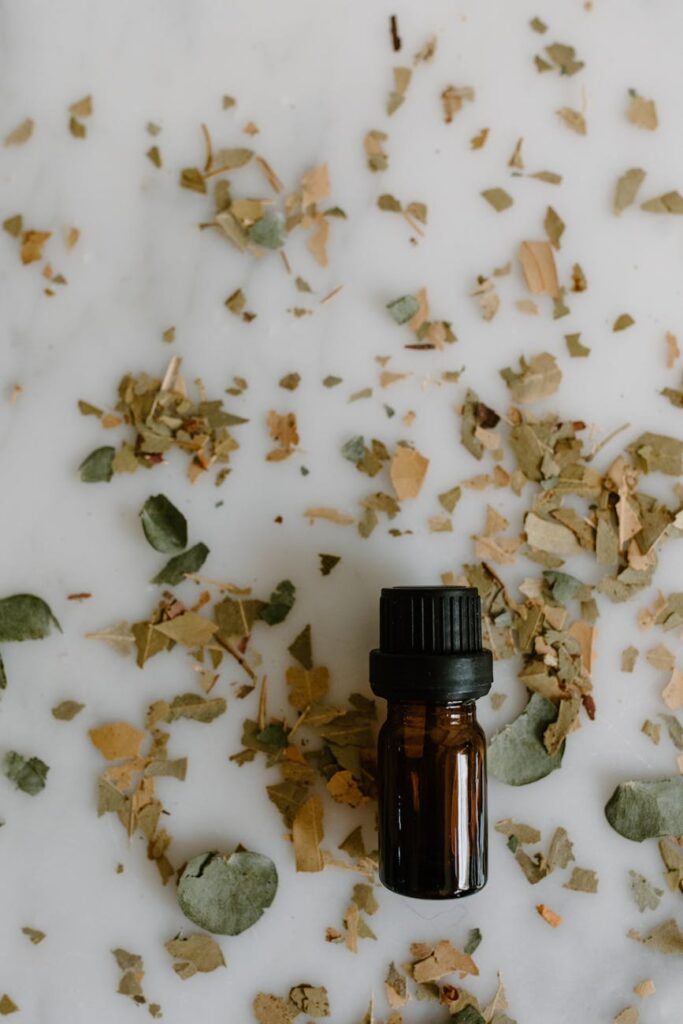
Complete Guide to Patchouli Oil Part 7
Introduction
Patchouli oil, derived from the leaves of the Pogostemon cablin plant, has been treasured for centuries for its rich, earthy aroma and versatile applications. This guide aims to provide a comprehensive understanding of patchouli oil, including its properties, benefits, and uses in various domains, particularly in aromatherapy. As we delve into the world of this aromatic oil, we will also address safety considerations and proper storage to ensure its longevity and efficacy.
What Is Patchouli Oil?
Patchouli oil is an essential oil extracted through the steam distillation of the leaves of the patchouli plant, a perennial herb belonging to the mint family. Native to Southeast Asia, particularly Indonesia and the Philippines, patchouli has been cultivated for its aromatic properties for centuries. The oil has a deep, musky scent characterized by notes of sweetness and earthiness, making it popular in perfumery and personal care products.
The extraction process involves harvesting the leaves, which are then dried and subjected to steam distillation. This process yields a thick, amber-colored oil rich in various compounds, including patchoulol, which is primarily responsible for its distinctive fragrance and therapeutic properties.
Key Benefits and Properties
Patchouli oil is celebrated for its numerous benefits, which stem from its complex chemical composition. Key properties of patchouli oil include:
1. Antimicrobial: Patchouli oil exhibits strong antimicrobial properties, making it useful in combating bacteria and fungi.
2. Anti-inflammatory: Its anti-inflammatory characteristics can help soothe irritated skin and reduce redness.
3. Sedative: Known for its calming effects, patchouli oil is often used to alleviate stress and promote relaxation.
4. Aphrodisiac: The oil is traditionally regarded as an aphrodisiac, believed to enhance romantic feelings and intimacy.
5. Skin Benefits: Patchouli oil is often included in skincare formulations due to its ability to promote healthy skin, aiding in the healing of scars and blemishes.
Common Uses
Patchouli oil is versatile and finds applications across various domains, including:
- Perfumery: Its robust fragrance is a staple in many perfumes, providing a base note that complements floral and citrus scents.
- Cosmetics: Patchouli oil is frequently found in lotions, creams, and soaps for its skin-nourishing properties and pleasant aroma.
- Household Products: Many natural cleaning products incorporate patchouli oil for its antimicrobial properties and uplifting scent.
- Incense: The oil is commonly used in incense sticks and cones, creating a calming atmosphere during meditation or relaxation practices.
- Dark Glass Bottles: Store patchouli oil in dark glass bottles to protect it from light, which can degrade the oil over time.
- Cool Environment: Keep the oil in a cool, dry place, as heat can alter its chemical composition and fragrance.
- Seal Tightly: Ensure that the bottle is sealed tightly to prevent oxidation and contamination.
- Avoid Moisture: Store the oil away from humidity to prevent water from entering the bottle, which can lead to spoilage.
Aromatherapy Applications
Patchouli oil holds a prominent place in aromatherapy due to its rich scent and therapeutic properties. It can be used in various ways:
1. Diffusion: Adding a few drops of patchouli oil to a diffuser can create a serene environment, promoting relaxation and reducing anxiety.
2. Massage: When diluted with a carrier oil, patchouli oil can be used in massage oils to alleviate muscle tension and promote a sense of calm.
3. Bath Additive: A few drops added to bathwater can enhance relaxation and improve mood, providing a soothing experience.
4. Inhalation: Inhaling patchouli oil directly from the bottle or using a tissue can help ground emotions and alleviate feelings of stress.
5. Blending: Patchouli oil blends well with other essential oils, such as lavender, sandalwood, and bergamot, allowing for a tailored aromatherapy experience.
Safety Considerations
While patchouli oil is generally considered safe for use, certain precautions should be taken to ensure safety:
1. Dilution: Essential oils should always be diluted with a carrier oil before applying to the skin to prevent irritation. A common dilution ratio is 2-3 drops of essential oil per teaspoon of carrier oil.
2. Patch Test: It is advisable to perform a patch test before using patchouli oil topically. Apply a small diluted amount to a discreet area of skin and wait for 24 hours to check for any adverse reactions.
3. Pregnancy and Nursing: Pregnant or nursing individuals should consult a healthcare professional before using patchouli oil, as some essential oils may not be suitable during these periods.
4. Allergies: Individuals with known allergies to plants in the mint family should exercise caution when using patchouli oil.
5. Storage: Proper storage is crucial to maintaining the quality of patchouli oil. It should be kept in a cool, dark place, away from direct sunlight.
Storage and Shelf Life
The shelf life of patchouli oil can vary based on storage conditions and quality. Typically, well-stored patchouli oil can last for 2 to 5 years. To maximize its longevity:
Frequently Asked Questions
1. Can patchouli oil be used for skin care?
Yes, patchouli oil is often used in skincare products for its moisturizing, antimicrobial, and healing properties. However, it should be diluted with a carrier oil before application to the skin.
2. What are some essential oil blends that include patchouli?
Patchouli oil blends well with a variety of essential oils, such as lavender, sandalwood, bergamot, cedarwood, and sweet orange. These combinations can enhance its fragrance and therapeutic effects.
3. Is patchouli oil safe for children?
Patchouli oil can be used with children, but it is crucial to dilute it properly and consult a healthcare practitioner for guidance on age-appropriate usage.
4. How can I incorporate patchouli oil into my daily routine?
Patchouli oil can be incorporated into your daily routine through various methods such as adding it to your skincare products, using it in a diffuser, adding it to bathwater, or incorporating it into massage oils.
5. Does patchouli oil have any side effects?
While generally safe, patchouli oil can cause skin irritation for some individuals if used undiluted. It is important to perform a patch test and consult a healthcare professional if you have specific concerns.
Conclusion
Patchouli oil, with its rich history and diverse applications, remains a beloved essential oil in both aromatherapy and personal care. Its unique properties, ranging from antimicrobial to calming, make it a valuable addition to any essential oil collection. By understanding its benefits, uses, and safety considerations, individuals can effectively incorporate patchouli oil into their daily lives, enhancing both their well-being and sensory experiences. As with any essential oil, awareness and respect for its potency are essential for maximizing its potential.