
Complete Guide to Patchouli Oil Part 7
Introduction
Patchouli oil, derived from the leaves of the Pogostemon cablin plant, has been a staple in the world of essential oils and aromatherapy for centuries. Renowned for its rich, earthy aroma, patchouli oil has woven itself into various cultural practices, from traditional medicine to modern perfumery. This guide aims to provide a comprehensive understanding of patchouli oil, exploring its properties, uses, and considerations for safe application and storage.
What Is Patchouli Oil?
Patchouli oil is an essential oil extracted from the leaves of the patchouli plant, a perennial herb that is native to tropical regions of Asia. The extraction process typically involves steam distillation, which captures the aromatic compounds of the plant while preserving its natural properties. The oil is characterized by its deep, musky scent, which can be both grounding and uplifting, making it a popular choice in aromatherapy and fragrance formulations.
Patchouli has a long history of use in various cultures, often associated with spirituality and protection. Its unique odor has made it a favorite in the perfume industry, particularly in the creation of oriental fragrances.
Key Benefits and Properties
Patchouli oil is celebrated for its diverse range of beneficial properties. Some of the key attributes include:
- Antimicrobial Properties: Patchouli oil exhibits antimicrobial activities that may help in inhibiting the growth of certain bacteria and fungi.
- Anti-inflammatory Effects: The oil has been noted for its potential to reduce inflammation, making it useful in topical applications.
- Astringent Qualities: Patchouli oil acts as a natural astringent, which can help tighten and tone the skin, making it a common ingredient in skincare products.
- Mood Enhancer: The scent of patchouli is often associated with mood elevation, stress relief, and emotional balance, making it a popular choice for those seeking mental clarity and relaxation.
- Diffusion: Adding a few drops of patchouli oil to a diffuser can create a calming environment, helping to reduce stress and anxiety.
- Inhalation: Inhaling the scent directly from the bottle or using it in a steaming bowl of water can provide quick relief from feelings of overwhelm.
- Topical Application: When diluted with a carrier oil such as jojoba or sweet almond oil, patchouli can be applied to pulse points for a subtle, lasting fragrance that may uplift mood throughout the day.
- Bathing: Adding a few drops of patchouli oil to bathwater can enhance relaxation and promote a sense of well-being.
- Dilution: Essential oils, including patchouli, should be diluted with a carrier oil before topical application to minimize the risk of skin irritation.
- Allergic Reactions: It is advisable to conduct a patch test before widespread use, especially for individuals with sensitive skin.
- Pregnancy and Nursing: Pregnant or nursing women should consult with a healthcare provider before using patchouli oil or any essential oil.
- Medications: Individuals taking medications should exercise caution, as essential oils can potentially interact with certain medications.
- Not for Internal Use: Patchouli oil should not be ingested unless under the guidance of a qualified professional.
- Keep it Dark: Store the oil in a cool, dark place away from direct sunlight to prevent degradation.
- Seal Tightly: Ensure the bottle is tightly sealed when not in use to minimize exposure to air and moisture, which can compromise the oil’s integrity.
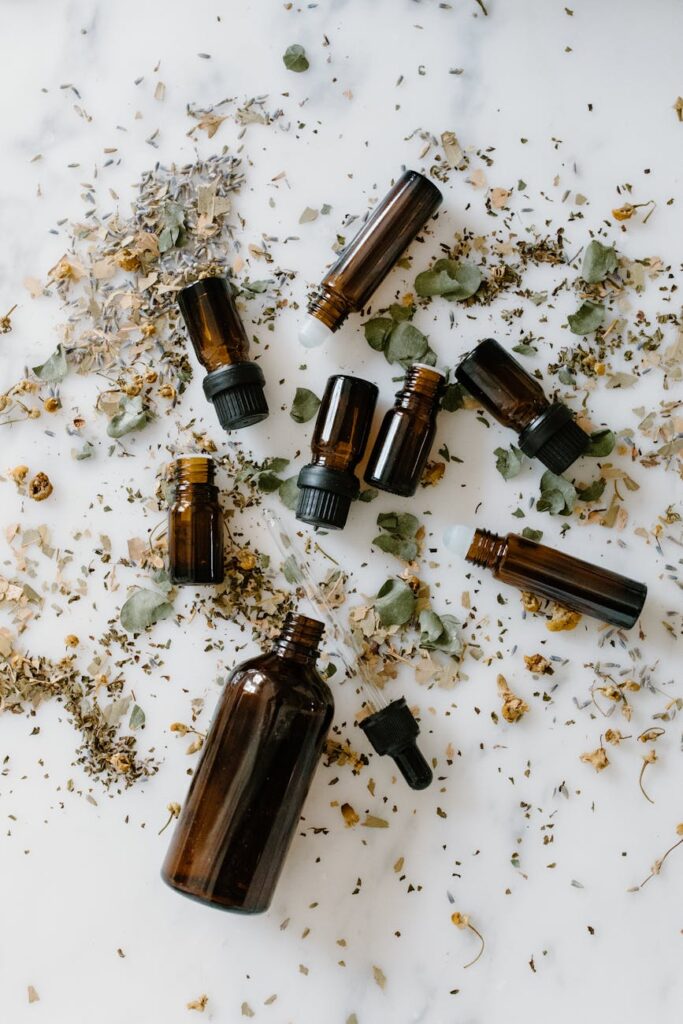
- Use Glass Containers: Essential oils should be stored in dark glass bottles to protect them from light and oxidation.
- Shelf Life: When stored properly, patchouli oil can last for several years. However, it is advisable to check for any changes in aroma or consistency before use, as these may indicate that the oil has expired.
Common Uses
Patchouli oil is versatile and can be used in various ways, including:
1. Aromatherapy: Often diffused in essential oil diffusers, patchouli oil can create a calming atmosphere. Its earthy scent helps ground and center the mind.
2. Cosmetics and Skincare: Due to its astringent and antimicrobial properties, patchouli oil is frequently incorporated into lotions, creams, and perfumes. It is particularly beneficial for oily or acne-prone skin.
3. Massage Oils: When blended with carrier oils, patchouli oil can be used in massages to promote relaxation and alleviate tension.
4. Household Cleaning: The oil’s antimicrobial properties make it an effective component in natural cleaning solutions.
5. Incense and Rituals: Patchouli oil is often used in spiritual practices, including meditation and rituals, due to its grounding scent.
Aromatherapy Applications
In aromatherapy, patchouli oil is employed for its soothing effects on the mind and body. Here are some common applications:
Safety Considerations
While patchouli oil is generally regarded as safe for most individuals, certain precautions should be observed:
Storage and Shelf Life
To maintain the quality and efficacy of patchouli oil, proper storage is essential. Here are some guidelines:
Frequently Asked Questions
1. How is patchouli oil used in perfumes?
Patchouli oil is a common base note in many perfumes, providing depth and longevity. Its robust, musky scent blends well with floral, fruity, and spicy notes.
2. Can patchouli oil help with stress relief?
Many individuals use patchouli oil in aromatherapy for its calming effects. It is often diffused or inhaled to help alleviate stress and promote relaxation.
3. Is patchouli oil safe for children?
Caution is advised when using essential oils around children. It is best to consult with a qualified aromatherapist or healthcare provider for guidance on safe usage.
4. What other oils blend well with patchouli?
Patchouli oil pairs well with a variety of other essential oils, including lavender, bergamot, sandalwood, and cedarwood. These combinations can enhance its aromatic profile and therapeutic benefits.
5. Can I use patchouli oil in cooking?
Patchouli oil is not recommended for culinary use. It is an essential oil primarily intended for aromatherapy and topical applications rather than ingestion.
Conclusion
Patchouli oil stands as a cherished essential oil with a rich history and a multitude of applications. From its grounding aroma to its diverse benefits, it remains a popular choice in both traditional and contemporary practices. Understanding its properties, uses, and safety considerations can enhance your experience with this remarkable oil. Whether you are exploring aromatherapy or seeking natural cosmetics, patchouli oil offers a unique addition to your wellness routine.