
Complete Guide to Patchouli Oil
Introduction
Patchouli oil, derived from the leaves of the Pogostemon cablin plant, has been utilized for centuries for its distinctive aroma and therapeutic properties. This essential oil, native to Southeast Asia, has gained popularity in various cultures and industries, particularly in perfumery, skincare, and aromatherapy. This guide aims to provide a comprehensive overview of patchouli oil, exploring its characteristics, benefits, uses, and safety considerations.
What Is Patchouli Oil?
Patchouli oil is an essential oil extracted through the steam distillation of the dried leaves of the patchouli plant. The plant itself is a member of the mint family, Lamiaceae, and is characterized by its bushy stature and aromatic foliage. Once harvested, the leaves undergo a curing process that enhances the oil’s complex fragrance.
The resulting oil is thick, dark brown to amber in color, with a rich, earthy scent that is often described as musky, sweet, and herbaceous. The unique aroma of patchouli oil makes it a favored ingredient in perfumes, incense, and personal care products.
Key Benefits and Properties
Patchouli oil is celebrated for its diverse range of benefits and properties, which include:
1. Antimicrobial: Patchouli oil is known to exhibit antimicrobial properties, making it useful in formulations aimed at purifying and cleansing.
2. Anti-inflammatory: The oil may help in reducing inflammation, which can be beneficial for various skin conditions.
3. Mood Enhancer: Its earthy aroma is often associated with calming effects, promoting relaxation and reducing feelings of anxiety or stress.
4. Aphrodisiac: Patchouli oil has been historically regarded as an aphrodisiac, believed to enhance sensuality and intimacy.
5. Skin Care: The oil is often included in skincare products due to its ability to promote healthy skin, potentially aiding in the healing of minor wounds and blemishes.
6. Insect Repellent: The strong fragrance of patchouli oil can act as a natural deterrent to insects, making it useful for repelling mosquitoes and other pests.
Common Uses
Patchouli oil is versatile and can be found in various applications, including:
- Perfumery: Its unique scent profile makes it a popular base note in many fragrances, adding depth and richness to perfumes.
- Cosmetics: Patchouli oil is often included in lotions, creams, and soaps for its skin-friendly properties and aromatic benefits.
- Incense and Aromatherapy: It is commonly used in incense sticks and diffusers, contributing to an inviting and calming atmosphere.
- Household Products: Some cleaning products and air fresheners incorporate patchouli oil for its pleasant scent and potential antimicrobial properties.
- Diffusion: Adding a few drops of patchouli oil to a diffuser can create a calming environment, promoting relaxation and reducing stress.
- Massage: When diluted with a carrier oil, patchouli oil can be used in massage therapy to enhance relaxation and provide a soothing experience.
- Bathing: Adding a few drops to bathwater can create a luxurious and aromatic bathing experience, allowing for both physical and mental relaxation.
- Personal Inhalation: Inhaling the scent directly from the bottle or from a cotton ball can provide an instant mood boost and promote mental clarity.
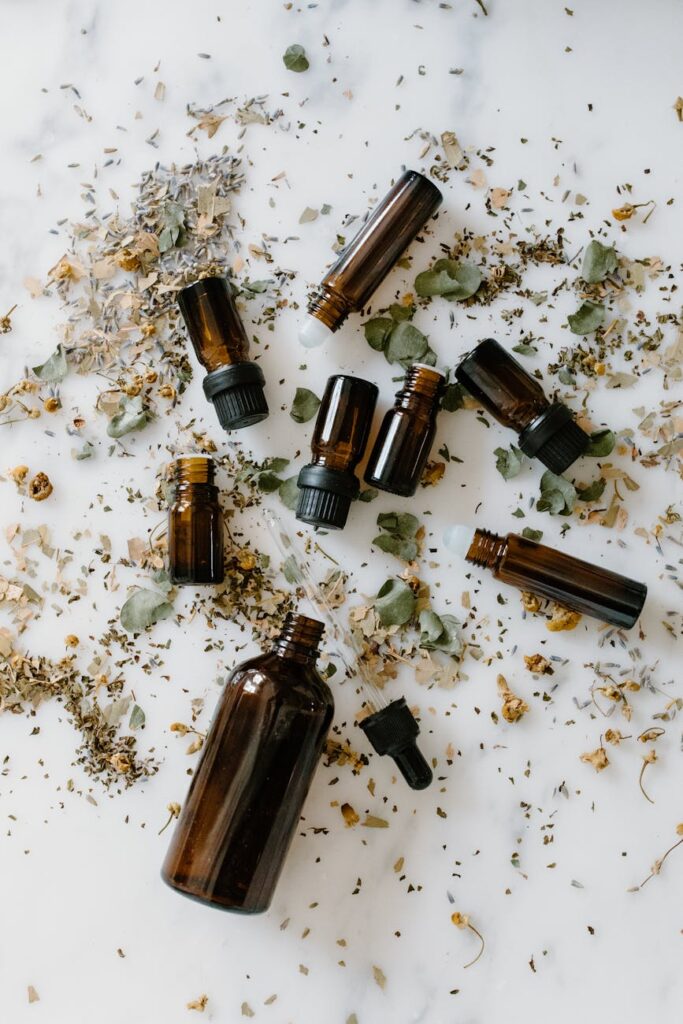
- Containers: Store patchouli oil in dark glass bottles to protect it from light exposure, which can degrade the oil.
- Temperature: Keep the oil in a cool, dry place, away from heat sources and humidity.
- Shelf Life: When stored correctly, patchouli oil has a shelf life of approximately 3 to 5 years. However, it is advisable to check for any changes in aroma or viscosity before use, as these may indicate degradation.
Aromatherapy Applications
In the realm of aromatherapy, patchouli oil is valued for its grounding and balancing effects. Here are some common ways it is used:
Safety Considerations
While patchouli oil is generally considered safe for most people when used appropriately, there are some important safety considerations to keep in mind:
1. Dilution: Essential oils are potent and should be diluted with a carrier oil before applying to the skin to minimize the risk of irritation.
2. Allergy Testing: Conduct a patch test by applying a diluted amount to a small area of skin to check for any allergic reactions.
3. Pregnancy and Nursing: Pregnant or nursing individuals should consult with a qualified healthcare professional before using patchouli oil.
4. Medication Interactions: Those on medications, particularly anticoagulants or sedatives, should seek advice from a healthcare provider regarding the use of patchouli oil.
5. Storage: Keep patchouli oil away from direct sunlight and heat to preserve its quality and efficacy.
Storage and Shelf Life
To maintain the integrity and quality of patchouli oil, proper storage is essential. Here are some guidelines:
Frequently Asked Questions
1. Can patchouli oil be used directly on the skin?
It is advisable to dilute patchouli oil with a carrier oil before applying it directly to the skin to avoid irritation.
2. Is patchouli oil safe for children?
Patchouli oil may not be suitable for young children, and it is best to consult a healthcare professional before using it with children.
3. What does patchouli oil smell like?
Patchouli oil has a rich, earthy, and sweet aroma, often described as musky and herbaceous. Its scent can be polarizing, with some people loving it and others finding it overwhelming.
4. How can patchouli oil benefit my skincare routine?
Patchouli oil can be beneficial for the skin due to its anti-inflammatory and antimicrobial properties. It may help soothe minor irritations and promote a healthy complexion when used correctly.
5. Can I use patchouli oil in cooking?
Patchouli oil is not intended for culinary use and should not be ingested. It is strictly for external applications and therapeutic purposes.
6. How does patchouli oil compare to other essential oils?
Patchouli oil has a unique profile that distinguishes it from other essential oils, particularly due to its grounding properties and rich, earthy scent. It complements many other oils, making it popular in blends.
Conclusion
Patchouli oil is a remarkable essential oil with a rich history and diverse applications. From its distinctive aroma to its potential benefits, it holds a valued place in aromatherapy, skincare, and perfumery. When used responsibly and stored correctly, patchouli oil can enhance well-being and foster a sense of tranquility. As with any essential oil, understanding its properties and applications is key to maximizing its benefits while ensuring safety.