
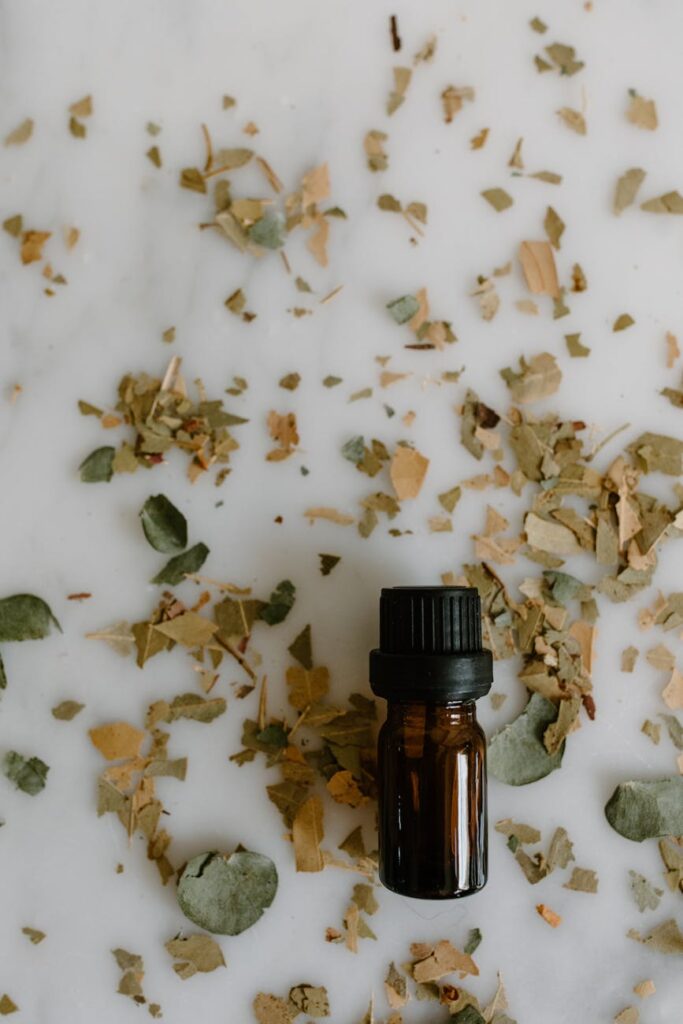
Complete Guide to Pecan Oil Part 1
Introduction
Pecan oil is a lesser-known yet versatile oil derived from the nuts of the pecan tree (Carya illinoinensis). This oil, with its rich, nutty flavor and numerous beneficial properties, has gained attention in culinary and wellness communities alike. In this guide, we will explore the nature of pecan oil, its benefits, uses, and applications in aromatherapy, while also discussing safety considerations and storage tips.
What Is Pecan Oil?
Pecan oil is extracted from the nuts of the pecan tree, which is native to North America and widely cultivated for its delicious nuts. The oil is typically obtained through cold-pressing or expeller-pressing methods, preserving its natural flavor and nutritional profile. Pecan oil is characterized by its light amber color and a mild, buttery flavor, making it an excellent addition to various dishes.
Key Benefits and Properties
Pecan oil boasts a unique composition that contributes to its numerous benefits and properties:
1. Nutritional Profile: Pecan oil is rich in monounsaturated fats, particularly oleic acid, which is known for its heart-healthy properties. It also contains essential fatty acids such as linoleic acid and a variety of vitamins, including vitamin E, which acts as an antioxidant.
2. Antioxidant Properties: The presence of antioxidants in pecan oil helps to combat oxidative stress in the body. These antioxidants can support overall health and may play a role in anti-inflammatory processes.
3. Moisturizing Agent: Pecan oil is often used in skincare formulations due to its emollient properties, making it an effective moisturizer for both skin and hair.
4. Flavor Enhancer: In culinary applications, pecan oil enhances the flavor of dishes without overpowering them. Its nutty aroma complements a variety of ingredients, making it suitable for salad dressings, marinades, and cooking.
Common Uses
Pecan oil’s versatility extends across culinary and cosmetic applications:
Culinary Uses
- Cooking Oil: Pecan oil has a high smoke point (around 450°F or 232°C), making it suitable for sautéing, frying, and baking.
- Salad Dressings: Its rich flavor enhances vinaigrettes and marinades, providing a nutty undertone to salads and grilled vegetables.
- Dipping Oil: Pecan oil can be used as a dipping oil for bread, either on its own or infused with herbs and spices.
- Finish for Dishes: Drizzling pecan oil over roasted vegetables or pasta dishes adds a gourmet touch and depth of flavor.
- Skincare: Pecan oil is used in lotions, creams, and serums due to its hydrating properties. It can help soothe dry skin and improve skin elasticity.
- Hair Care: As a hair oil, it can nourish and moisturize hair, making it softer and more manageable. It is often used in hair masks and treatments.
- Lavender: Known for its calming properties, lavender oil can be combined with pecan oil for a soothing massage oil.
- Peppermint: When mixed with pecan oil, peppermint can provide a refreshing and invigorating experience.
- Frankincense: This essential oil can enhance the grounding properties of pecan oil, making it suitable for meditation and relaxation practices.
Cosmetic Uses
Aromatherapy Applications
While pecan oil is not commonly used as an essential oil in aromatherapy, it can serve as a carrier oil for diluting essential oils. Its mild scent and emollient properties make it an excellent choice for topical applications. When used in conjunction with essential oils, pecan oil can enhance the overall experience of aromatherapy by providing moisturizing benefits and a gentle, nutty aroma.
Blending with Essential Oils
Pecan oil can be blended with various essential oils to create personalized aromatherapy blends. Some essential oils that pair well with pecan oil include:
Safety Considerations
Pecan oil is generally safe for culinary and cosmetic applications. However, like any oil, it is essential to be mindful of the following considerations:
1. Allergies: Individuals with tree nut allergies should avoid pecan oil, as it can trigger allergic reactions. Always consult with a healthcare professional if you have concerns about allergies.
2. Skin Sensitivity: Though pecan oil is generally well-tolerated, conducting a patch test is advisable before using it on larger areas of the skin. Apply a small amount to a discreet area and observe for any adverse reactions.
3. Quality and Purity: When purchasing pecan oil, opt for high-quality, cold-pressed varieties to ensure that you are getting the full nutritional benefits without additives or preservatives.
Storage and Shelf Life
To maintain its freshness and potency, proper storage of pecan oil is crucial:
1. Storage Conditions: Store pecan oil in a cool, dark place away from direct sunlight and heat. A pantry or cabinet is typically suitable.
2. Container: Keep pecan oil in a tightly sealed, dark glass container to protect it from light exposure, which can lead to oxidation.
3. Shelf Life: When stored properly, pecan oil has a shelf life of approximately 1 to 2 years. It is advisable to check for any off odors or changes in color before use, as these can indicate rancidity.
Frequently Asked Questions
1. Can pecan oil be used for cooking?
Yes, pecan oil is suitable for various cooking methods, including frying, sautéing, and baking, due to its high smoke point.
2. Is pecan oil good for the skin?
Pecan oil is an excellent moisturizer and can be beneficial for hydrating and nourishing the skin. It is often found in skincare products.
3. How can I use pecan oil in aromatherapy?
Pecan oil can be used as a carrier oil for diluting essential oils. It can enhance the moisturizing and aromatic properties of your blends.
4. What should I look for when purchasing pecan oil?
Choose high-quality, cold-pressed pecan oil without additives or preservatives. Look for oils packaged in dark glass containers for optimal storage.
5. Is pecan oil safe for everyone?
While pecan oil is generally safe, individuals with tree nut allergies should avoid it. Always perform a patch test when using new oils on the skin.
—
In the next part of this guide, we will delve deeper into the culinary aspects of pecan oil, exploring recipes and innovative ways to incorporate this oil into your daily routine. Stay tuned for more insights on this versatile oil!