
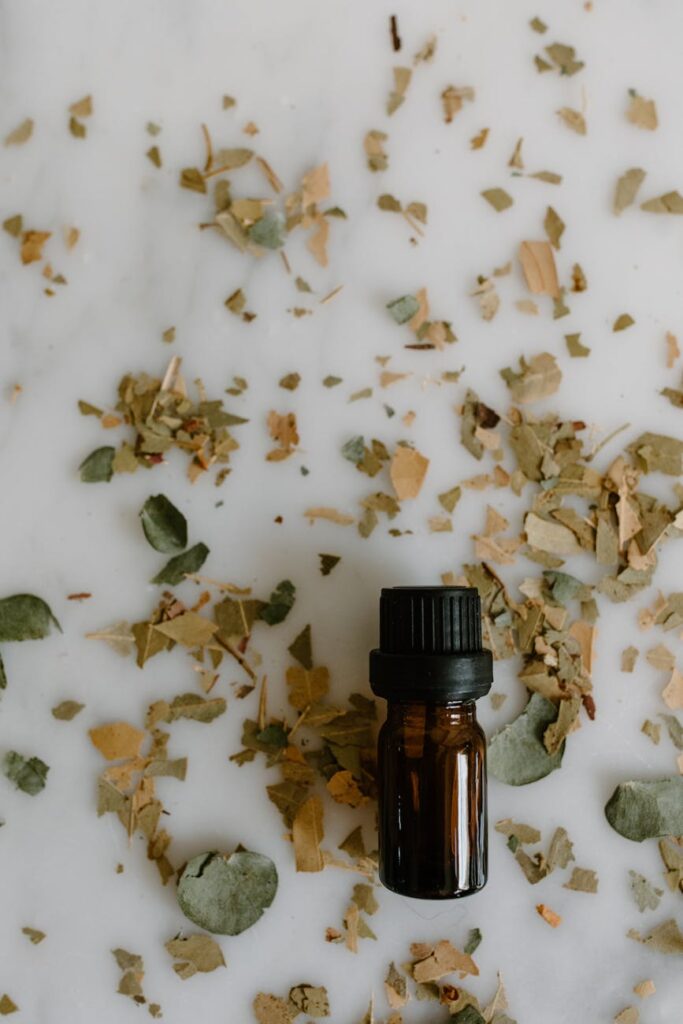
Complete Guide to Pecan Oil Part 2
Introduction
Pecan oil, derived from the nuts of the pecan tree (Carya illinoinensis), is a versatile and nutrient-rich oil that has gained recognition for its culinary and therapeutic attributes. As we delve deeper into the essential aspects of pecan oil, this guide will explore its properties, benefits, applications, safety considerations, storage, and common questions surrounding this remarkable oil.
What Is Pecan Oil?
Pecan oil is a light, flavorful oil extracted from the nuts of pecan trees, which are native to the southern United States and northern Mexico. The extraction process typically involves cold pressing, which preserves the oil’s natural flavor and nutritional qualities. With a slightly nutty flavor and a high smoke point, pecan oil is particularly valued in cooking and baking.
In terms of composition, pecan oil is rich in monounsaturated fats, particularly oleic acid, and contains a range of vitamins and minerals that contribute to its healthful properties. Its unique combination of fatty acids and antioxidants makes it an appealing option for both culinary and therapeutic applications.
Key Benefits and Properties
Pecan oil offers several notable benefits, making it a valuable addition to the kitchen and wellness routines:
1. Nutrient-Rich Profile: Pecan oil is high in essential fatty acids, particularly oleic and linoleic acids, which are beneficial for heart health. It also contains vitamin E, an antioxidant that helps protect cells from oxidative damage.
2. Heart Health: The monounsaturated fats present in pecan oil may contribute to lower cholesterol levels and improved cardiovascular health. These fats are known to help reduce the risk of heart disease when consumed as part of a balanced diet.
3. Anti-Inflammatory Properties: Pecan oil contains compounds that may help reduce inflammation in the body, promoting overall wellness and potentially supporting conditions related to inflammation.
4. Moisturizing Qualities: Due to its emollient properties, pecan oil can help hydrate and nourish the skin when used in topical applications. It is easily absorbed, leaving the skin feeling soft and supple.
5. Antioxidant Benefits: The presence of antioxidants in pecan oil can help combat free radicals, which are known to contribute to aging and various health conditions.
Common Uses
Pecan oil is not only a culinary delight but also serves various purposes across different domains:
1. Culinary Uses: Pecan oil is commonly used for sautéing, frying, and baking due to its high smoke point. It can also be drizzled over salads, vegetables, or meats as a flavorful finishing oil. Its unique taste enhances the flavor profile of dishes, particularly in Southern cuisine.
2. Cosmetic Applications: In skincare, pecan oil is often incorporated into lotions, creams, and massage oils. Its moisturizing properties make it suitable for dry skin and can help improve the texture and appearance of the skin.
3. Hair Care: Pecan oil can be applied to hair as a conditioning treatment to enhance shine and manageability. It may help reduce frizz and improve overall hair health.
4. Aromatherapy: While pecan oil is not typically used as an essential oil, it can serve as a carrier oil for diluting essential oils in aromatherapy practices, enabling safe application on the skin.
Aromatherapy Applications
Although pecan oil is not an essential oil, its role as a carrier oil is significant in aromatherapy. When combined with essential oils, pecan oil can help dilute the potency of the essential oils, allowing for safe topical application. Here are some ways pecan oil can be used in aromatherapy:
1. Dilution for Topical Application: Essential oils are highly concentrated and can cause skin irritation if applied undiluted. Pecan oil can be mixed with essential oils such as lavender or eucalyptus, providing a soothing blend that can be applied to the skin.
2. Massage Oil: Pecan oil’s smooth texture makes it an excellent choice for massage blends. It allows for easy glide and can enhance the relaxation experience when combined with calming essential oils.
3. Diffusion: While pecan oil is not typically used in diffusers, it can be blended with essential oils prior to application on the skin. This can create a harmonious experience by combining aromas with therapeutic effects.
4. Bath Oil: Adding pecan oil to bathwater along with essential oils can create a luxurious and moisturizing bath experience, promoting relaxation and skin nourishment.
Safety Considerations
While pecan oil is generally safe for culinary and cosmetic use, it is important to consider the following safety precautions:
1. Allergies: Individuals with nut allergies should avoid pecan oil, as it may trigger allergic reactions. Always consult a healthcare professional if there are concerns about allergies.
2. Skin Sensitivity: Although pecan oil is usually well-tolerated, it is advisable to conduct a patch test before applying it to larger areas of skin. This can help identify any potential sensitivity.
3. Quality and Purity: When purchasing pecan oil, opt for high-quality, cold-pressed varieties to ensure that the oil retains its nutritional benefits. Check for reputable brands that provide clear labeling and sourcing information.
4. Not a Substitute for Medical Treatment: Pecan oil should not be considered a substitute for medical treatment or advice. It is important to consult with a healthcare professional for any health-related concerns.
Storage and Shelf Life
Proper storage of pecan oil is essential to maintain its quality and extend its shelf life:
1. Storage: Pecan oil should be stored in a cool, dark place, ideally in a glass bottle with a tight-fitting lid. Exposure to light and heat can lead to oxidation, which may spoil the oil.
2. Shelf Life: When stored correctly, pecan oil typically has a shelf life of up to 12 months. However, it is advisable to check for any changes in odor, color, or texture before use, as these can indicate rancidity.
3. Refrigeration: For longer-term storage, refrigeration can help preserve the oil. However, it may solidify in the fridge, which does not affect its use. Simply allow it to come to room temperature before use.
Frequently Asked Questions
1. Can pecan oil be used for frying?
Yes, pecan oil has a high smoke point, making it suitable for frying and sautéing.
2. Is pecan oil good for skin?
Pecan oil is rich in nutrients and has moisturizing properties, making it beneficial for skin hydration and care.
3. Can I use pecan oil in my hair?
Yes, pecan oil can be applied to hair as a conditioning treatment to enhance shine and manageability.
4. How should I use pecan oil in aromatherapy?
Pecan oil can be used as a carrier oil to dilute essential oils for topical application or massage.
5. Is pecan oil safe for cooking?
Yes, pecan oil is safe for cooking, but individuals with nut allergies should avoid it.
6. How do I know if pecan oil has gone bad?
Signs of rancidity include an off odor, change in color, or unusual texture. It is best to discard oil that shows these signs.
Conclusion
Pecan oil is a multifaceted oil that offers a wealth of benefits, from culinary applications to skincare. Its rich nutrient profile and unique properties make it a valuable addition to both the kitchen and wellness routines. By understanding its uses, benefits, and safety considerations, individuals can fully appreciate the potential of this remarkable oil. Whether used in cooking, aromatherapy, or skincare, pecan oil stands as a testament to the versatility and richness of natural products.