
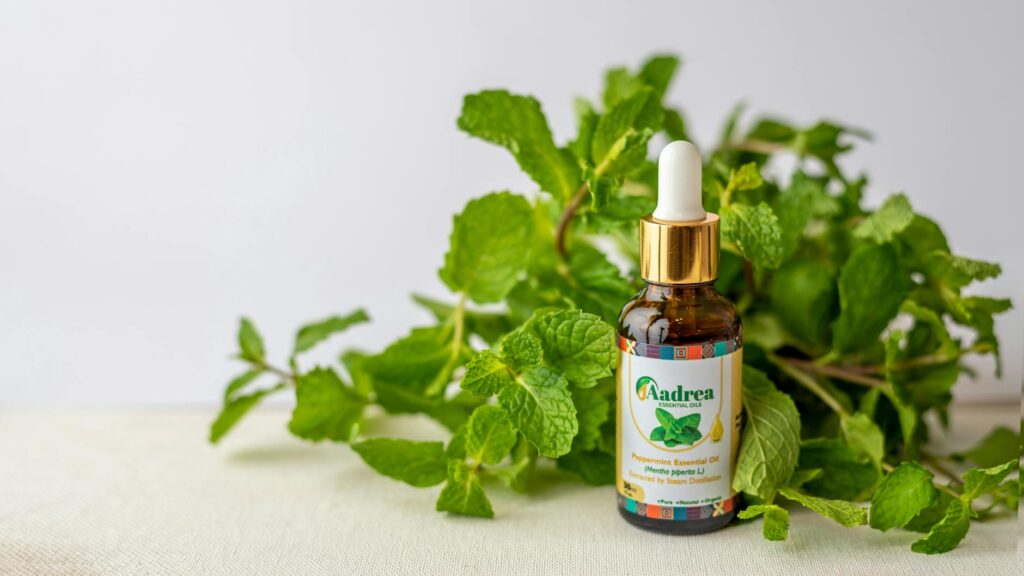
Complete Guide to Peppermint Extract
Introduction
Peppermint extract, derived from the leaves of the peppermint plant (Mentha × piperita), has been a staple in culinary and therapeutic practices for centuries. Known for its invigorating scent and refreshing taste, this extract has found its way into a myriad of applications, from flavoring food and beverages to enhancing personal care products and aromatherapy practices. This guide aims to provide a comprehensive overview of peppermint extract, its benefits, uses, and safety considerations.
What Is Peppermint Extract?
Peppermint extract is a concentrated liquid made by distilling the essential oils and active compounds found in peppermint leaves. The extraction process typically involves steeping the leaves in a solvent, such as alcohol or glycerin, to extract the volatile compounds. The resulting liquid retains the characteristic aroma and flavor of fresh peppermint, making it a versatile ingredient.
Peppermint is a hybrid plant, resulting from the crossbreeding of watermint and spearmint. It is native to Europe but is now cultivated in many parts of the world. The plant thrives in moist, shaded areas and is easily recognizable by its serrated leaves and purple-tinged flowers.
Key Benefits and Properties
Peppermint extract is celebrated for its unique properties, which include:
1. Cooling Sensation: The primary component of peppermint oil, menthol, is responsible for the cooling sensation it imparts. This quality makes it popular in topical applications.
2. Digestive Support: While not a substitute for medical advice, peppermint is traditionally known to aid digestive comfort, often used in teas and culinary applications.
3. Mood Enhancement: The invigorating aroma of peppermint is thought to have uplifting properties, potentially improving mood and mental clarity.
4. Antiseptic and Antimicrobial Properties: Some studies suggest that peppermint may have mild antiseptic qualities, making it useful in personal care formulations.
5. Respiratory Support: The menthol in peppermint can help clear the sinuses and promote easier breathing, making it a common ingredient in inhalants and vapor rubs.
Common Uses
Peppermint extract is utilized in various domains, including:
- Culinary Uses: It is widely used to flavor desserts, beverages, and candies. Peppermint extract is particularly popular in recipes for chocolate mint treats and holiday confections.
- Beverages: Peppermint extract enhances the flavor of teas, cocktails, and even some savory dishes.
- Personal Care Products: Due to its refreshing scent and potential antimicrobial properties, peppermint is incorporated into lotions, shampoos, and oral hygiene products, such as toothpaste and mouthwash.
- Household Products: Peppermint extract is also used in homemade cleaning solutions and air fresheners, leveraging its pleasant aroma.
- Diffusion: Using an essential oil diffuser, peppermint oil can be dispersed into the air, creating a refreshing atmosphere.
- Topical Application: When diluted with a carrier oil, peppermint can be applied to the skin for localized cooling relief.
- Inhalation: Directly inhaling peppermint extract from the bottle or using a steam inhalation method can provide immediate sensory benefits.
- Dilution: Always dilute peppermint oil with a carrier oil before applying it to the skin to minimize the risk of irritation.
- Allergic Reactions: Some individuals may be sensitive or allergic to peppermint. A patch test is advisable for topical applications.
- Pregnancy and Nursing: Pregnant or nursing individuals should consult a healthcare professional before using peppermint extract.
- Children: Use caution when applying peppermint oil to children, as their skin is more sensitive, and inhalation can be overwhelming.
- Pre-Existing Conditions: Individuals with certain medical conditions, such as gastroesophageal reflux disease (GERD), should exercise caution, as peppermint may exacerbate symptoms.
- Container: Store peppermint extract in a dark glass bottle to protect it from light, which can degrade the quality over time.
- Temperature: Keep the extract in a cool, dark place, away from heat sources.
- Shelf Life: When stored properly, peppermint extract can last for several years. However, it is advisable to check for changes in aroma or color, which may indicate degradation.
Aromatherapy Applications
In aromatherapy, peppermint extract is often used for its invigorating properties. Diffusing peppermint oil can create an energizing environment, which may help to enhance focus and concentration. It is also commonly employed in massage oils and balms to alleviate muscle tension and provide a cooling sensation.
Methods of Use in Aromatherapy
Safety Considerations
While peppermint extract is generally considered safe for use, some precautions should be taken:
Storage and Shelf Life
Proper storage of peppermint extract is essential to maintain its potency and aroma. The following guidelines can help:
Frequently Asked Questions
1. How is peppermint extract different from peppermint oil?
Peppermint extract is a diluted form of peppermint oil, often mixed with alcohol or glycerin, making it suitable for culinary uses. Peppermint oil is more concentrated and is primarily used for therapeutic and aromatic purposes.
2. Can I use peppermint extract in cooking?
Yes, peppermint extract is commonly used in baking and cooking to add a refreshing mint flavor to various dishes and treats.
3. Is peppermint extract safe for children?
While peppermint extract is generally safe for children in small amounts, always consult a healthcare professional for advice on appropriate usage, especially in topical applications.
4. Can I use peppermint extract for skin care?
Peppermint extract can be used in skin care formulations but should always be diluted with a carrier oil to avoid skin irritation.
5. How can I make my own peppermint extract?
To make homemade peppermint extract, steep fresh or dried peppermint leaves in a high-proof alcohol, such as vodka, for several weeks. Strain the mixture and store it in a dark bottle.
Conclusion
Peppermint extract is a versatile and invigorating ingredient with a wide range of applications, from culinary delights to therapeutic uses in aromatherapy. Understanding its properties, benefits, and safety considerations can enhance your experience with this remarkable extract. Whether you incorporate it into your cooking, personal care routine, or aromatherapy practices, peppermint extract continues to be a cherished element in various domains.