
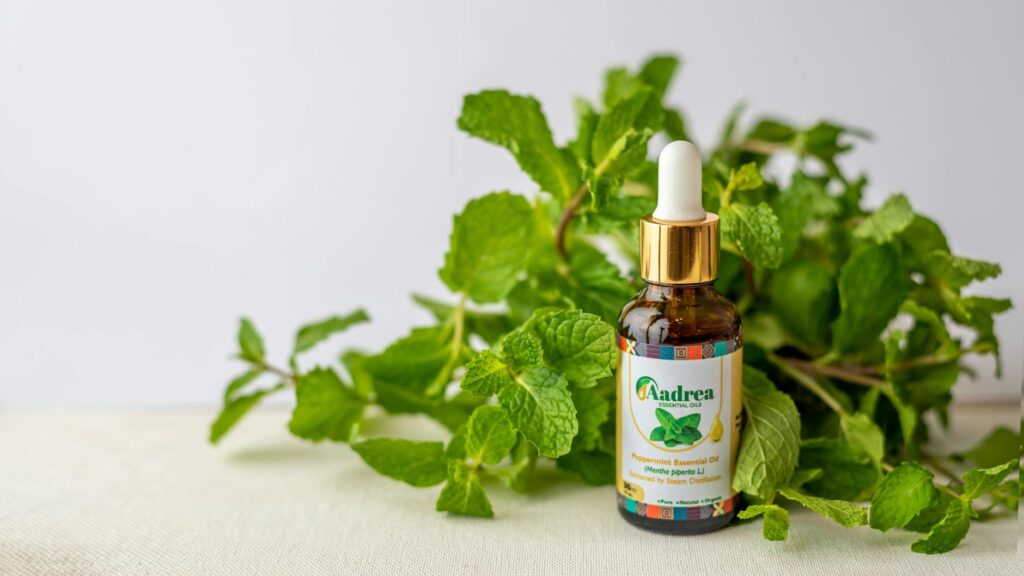
Complete Guide to Peppermint Oil Part 12
Introduction
Peppermint oil, derived from the leaves of the Mentha piperita plant, has been utilized for centuries due to its aromatic and therapeutic properties. This essential oil is a staple in many households, known for its invigorating scent and versatile applications. In this comprehensive guide, we will explore peppermint oil’s origins, benefits, uses, and safety considerations, offering a detailed overview for anyone interested in this remarkable oil.
What Is Peppermint Oil?
Peppermint oil is an essential oil obtained through the steam distillation of the flowering tops and leaves of the peppermint plant. Native to Europe, peppermint is a hybrid of watermint and spearmint, and it thrives in temperate climates. The oil is characterized by its strong, fresh, and minty aroma, which is primarily attributed to its high menthol content.
Composition
The chemical profile of peppermint oil includes several key constituents, with menthol, menthone, and menthyl acetate being the most prominent. These compounds are responsible for the oil’s distinctive fragrance and many of its therapeutic properties.
- Menthol: Provides the characteristic cooling sensation and is often used for its refreshing and soothing effects.
- Menthone: Contributes to the oil’s overall aroma and has its own set of potential benefits.
- Menthyl Acetate: Adds to the pleasant scent and may enhance the oil’s overall efficacy.
- Container: Store peppermint oil in a dark glass bottle to protect it from light degradation.
- Temperature: Keep it in a cool, dry place away from direct sunlight and heat sources.
Key Benefits and Properties
Peppermint oil has been celebrated for its diverse range of benefits and properties. While it is essential to remember that individual experiences may vary, the following are commonly recognized attributes:
Digestive Aid
Peppermint oil is often associated with digestive comfort. Its potential to relieve symptoms such as bloating and gas has made it a popular choice in herbal remedies.
Respiratory Support
The invigorating scent of peppermint oil can help open airways and promote clearer breathing. It is commonly used in various formulations to support respiratory health.
Mental Clarity
Many users report that the refreshing aroma of peppermint oil can enhance mental alertness and concentration, making it a popular choice for study or work environments.
Muscular Relief
The cooling sensation provided by menthol may help soothe sore muscles and tension, making peppermint oil a common ingredient in topical applications for muscle relief.
Mood Enhancer
The uplifting scent of peppermint oil may help alleviate feelings of stress and anxiety, promoting an overall sense of well-being.
Common Uses
Peppermint oil is incredibly versatile and can be used in various applications. Below are some of the most common uses:
Aromatherapy
Diffusing peppermint oil in a room can create an invigorating atmosphere, making it a favorite choice for enhancing mood and focus.
Culinary Applications
While typically used in small quantities, peppermint oil can be added to beverages, desserts, and savory dishes to impart a fresh mint flavor.
Personal Care Products
Peppermint oil is often included in personal care products such as shampoos, lotions, and toothpaste for its refreshing scent and potential benefits.
Household Cleaning
Due to its antibacterial properties, peppermint oil can be employed in homemade cleaning solutions for a natural and fragrant alternative.
Topical Applications
When diluted with a carrier oil, peppermint oil can be applied to the skin for muscle relief or added to massage oils for a soothing experience.
Aromatherapy Applications
In aromatherapy, peppermint oil is commonly used for its invigorating and refreshing properties. Here are some ways to incorporate peppermint oil into your aromatherapy practice:
Diffusion
Using a diffuser, add a few drops of peppermint oil to water to fill your space with its invigorating scent. This method can help enhance focus and create an uplifting ambiance.
Inhalation
For a quick pick-me-up, place a drop or two of peppermint oil on a tissue or cotton ball and inhale deeply. This method provides immediate aromatic benefits and can be particularly helpful during stressful moments.
Bathing
Add peppermint oil to a warm bath for a refreshing and invigorating experience. A few drops mixed with a carrier oil can enhance relaxation while providing the cooling benefits of menthol.
Massage
When diluted with a carrier oil, peppermint oil can be used in massage therapy to relieve muscle tension and promote relaxation.
Safety Considerations
While peppermint oil is generally considered safe for most individuals, it is essential to use it responsibly. Here are some key safety considerations:
Skin Sensitivity
Peppermint oil can cause skin irritation in some individuals, especially when used undiluted. Always perform a patch test before applying it to larger areas of the skin and dilute it with a carrier oil when necessary.
Pregnant and Nursing Women
Pregnant and nursing women should exercise caution when using peppermint oil, as certain essential oils may not be suitable during these stages. Consultation with a healthcare professional is advisable.
Children
Peppermint oil should be used with caution in children. It is generally recommended to avoid using it on children under two years of age and to dilute it significantly for older children.
Allergies
Individuals with known allergies to mint or related plants should avoid using peppermint oil.
Storage and Shelf Life
Proper storage of peppermint oil is crucial for maintaining its quality and potency. Here are some guidelines for storage:
Storage Conditions
Shelf Life
When stored properly, peppermint oil typically has a shelf life of 1 to 3 years. However, it is advisable to check for any changes in aroma, color, or consistency before use, as these may indicate that the oil has gone rancid.
Frequently Asked Questions
1. Can peppermint oil be ingested?
While some essential oils, including peppermint, are safe for culinary use in small amounts, it is essential to ensure that you are using a food-grade oil. Always consult with a knowledgeable professional before ingesting any essential oil.
2. Can I use peppermint oil for headaches?
Many individuals use peppermint oil for its cooling effects and invigorating aroma, which may help alleviate feelings of tension. However, results can vary; consult a professional for personalized guidance.
3. Is peppermint oil safe for pets?
Peppermint oil can be harmful to certain pets, especially cats and dogs, due to their sensitive systems. It is advisable to consult a veterinarian before using peppermint oil around animals.
4. How do I know if I’m using quality peppermint oil?
Opt for essential oils that are labeled as pure and organic whenever possible. Look for third-party testing certifications or reputable brands known for their quality standards.
5. Can I use peppermint oil in a humidifier?
It is generally not recommended to use essential oils in standard humidifiers. Instead, consider using a diffuser specifically designed for essential oils to avoid damaging the unit.
Conclusion
Peppermint oil is a fascinating essential oil with a rich history of use in various applications. Its invigorating aroma, coupled with its array of potential benefits, makes it a valuable addition to any essential oil collection. Whether you are using it for aromatherapy, personal care, or culinary endeavors, understanding its properties and safe usage is essential for a rewarding experience. As with all essential oils, knowledge and caution are key to harnessing the full potential of peppermint oil in your everyday life.