
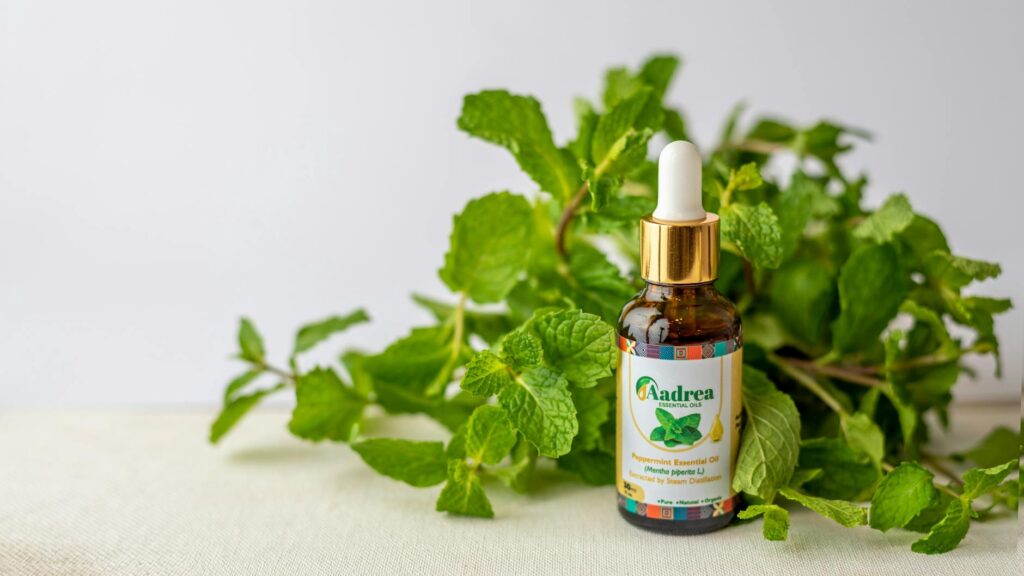
Complete Guide to Peppermint Oil Part 13
Introduction
Peppermint oil, derived from the leaves of the Mentha × piperita plant, is a widely recognized essential oil celebrated for its invigorating aroma and versatile applications. This guide aims to provide an in-depth exploration of peppermint oil, including its properties, benefits, common uses, safety considerations, and more. Whether you are new to essential oils or looking to expand your knowledge, this comprehensive resource will serve as a valuable reference.
What Is Peppermint Oil?
Peppermint oil is an essential oil extracted from the flowering tops and leaves of the peppermint plant. This oil is often obtained through steam distillation, a process that captures the aromatic compounds while preserving their integrity. The primary active constituents of peppermint oil include menthol and menthone, which contribute to its characteristic scent and various properties.
The plant itself is a hybrid of watermint and spearmint, boasting a robust growth habit and a preference for moist environments. Peppermint has been utilized for centuries, dating back to ancient civilizations for its culinary, medicinal, and aromatic qualities.
Key Benefits and Properties
Peppermint oil is distinguished by an array of beneficial properties, making it a sought-after essential oil in both personal care and household applications. Some key benefits include:
1. Refreshing Aroma
The invigorating scent of peppermint oil is known to stimulate the senses, promoting alertness and mental clarity. Its crisp, cool fragrance can enhance focus and concentration, making it a popular choice in workspaces.
2. Cooling Sensation
Menthol, the primary component of peppermint oil, provides a cooling effect upon contact with the skin. This quality makes it a favorable choice for topical applications aimed at soothing discomfort or energizing the body.
3. Digestive Support
While not intended as a medical remedy, peppermint oil is often associated with digestive health. Its properties may assist in calming the stomach and promoting a sense of well-being after meals.
4. Natural Insect Repellent
Peppermint oil possesses natural insect-repelling qualities, making it a popular ingredient in homemade pest deterrents. Its strong scent can help keep various insects at bay.
5. Mood Enhancement
The uplifting aroma of peppermint oil is often used to alleviate feelings of fatigue or stress. Its aroma may promote a sense of calm and well-being, contributing to a more positive mood.
Common Uses
Peppermint oil is versatile and can be employed in numerous ways, including:
1. Aromatherapy
Inhalation of peppermint oil through diffusers or steam inhalation is a common practice. This method allows for the absorption of its aromatic compounds, promoting relaxation and mental clarity.
2. Topical Applications
When diluted with a carrier oil, peppermint oil can be applied to the skin. Popular uses include massages, where the cooling sensation can relieve muscle tension and soreness.
3. Household Cleaner
The antimicrobial properties of peppermint oil can be harnessed in homemade cleaning solutions. Its fresh scent also leaves spaces smelling clean and revitalized.
4. Personal Care Products
Peppermint oil is frequently found in personal care items, including shampoos, lotions, and lip balms. Its refreshing aroma and cooling effect add a sensory dimension to these products.
5. Culinary Uses
In culinary applications, peppermint oil can be incorporated into recipes, beverages, and desserts. Its concentrated flavor can elevate dishes, but it should be used sparingly due to its potency.
Aromatherapy Applications
In the realm of aromatherapy, peppermint oil is valued for its ability to enhance emotional and physical well-being. Some common applications include:
1. Diffusion
Using a diffuser, peppermint oil can fill a room with its invigorating scent. This method is particularly beneficial in workspaces or study areas to enhance focus and concentration.
2. Inhalation
Direct inhalation of peppermint oil can provide immediate sensory stimulation. A few drops on a cotton ball or tissue can be inhaled for a quick pick-me-up.
3. Bath Additive
Adding peppermint oil to bathwater can create a refreshing and invigorating experience. Combining the oil with Epsom salts enhances relaxation while providing a cooling effect on the skin.
4. Massage Blends
Incorporating peppermint oil into massage oils can elevate the experience by providing both aroma and a cooling sensation. It is recommended to dilute the essential oil with a carrier oil to avoid skin irritation.
Safety Considerations
While peppermint oil is generally considered safe for use, certain precautions should be observed:
1. Dilution
Peppermint oil is highly concentrated and should always be diluted with a carrier oil before topical application. This helps minimize the risk of skin irritation.
2. Patch Test
Before using peppermint oil on larger skin areas, perform a patch test on a small area to check for any adverse reactions.
3. Pregnancy and Nursing
Pregnant or nursing individuals should consult a healthcare professional before using peppermint oil, as its effects during these periods are not fully understood.
4. Children and Infants
Peppermint oil is not recommended for use in children under the age of two. For older children, it should be used with caution and always diluted.
5. Medical Conditions
Individuals with certain medical conditions, such as gastroesophageal reflux disease (GERD) or those on specific medications, should consult a healthcare professional before using peppermint oil.
Storage and Shelf Life
To maintain the quality of peppermint oil, proper storage is essential. Follow these guidelines for optimal preservation:
1. Storage Conditions
Store peppermint oil in a cool, dark place, away from direct sunlight and heat sources. This helps prevent the degradation of its aromatic compounds.
2. Container
Keep peppermint oil in a tightly sealed glass bottle, preferably dark amber or cobalt blue, to protect it from light exposure.
3. Shelf Life
When stored correctly, peppermint oil can last for approximately 1 to 3 years. Regularly check for any changes in aroma or appearance, as these may indicate a decline in quality.
Frequently Asked Questions
1. Can I use peppermint oil on my skin?
Yes, peppermint oil can be used on the skin, but it should always be diluted with a carrier oil to prevent irritation.
2. Is peppermint oil safe for pets?
While peppermint oil is sometimes used in pet care, it can be toxic to some animals. It is best to consult a veterinarian before using it around pets.
3. Can peppermint oil help with headaches?
Many people use peppermint oil for its cooling properties, which may provide relief from tension headaches. However, individual experiences may vary.
4. How can I incorporate peppermint oil into my daily routine?
Peppermint oil can be added to diffusers, bathwater, homemade cleaners, or personal care products to enjoy its aromatic and invigorating benefits.
5. Is there a difference between peppermint oil and spearmint oil?
Yes, while both oils come from mint plants, peppermint oil has a higher menthol content, giving it a more intense flavor and scent compared to spearmint oil.
Conclusion
Peppermint oil stands out as a versatile and invigorating essential oil with a myriad of applications. Its refreshing aroma and beneficial properties make it a favored choice in aromatherapy, personal care, and household uses. By understanding its benefits, uses, and safety considerations, individuals can effectively incorporate peppermint oil into their daily routines. As with any essential oil, knowledge and caution are key to enjoying its full potential.