
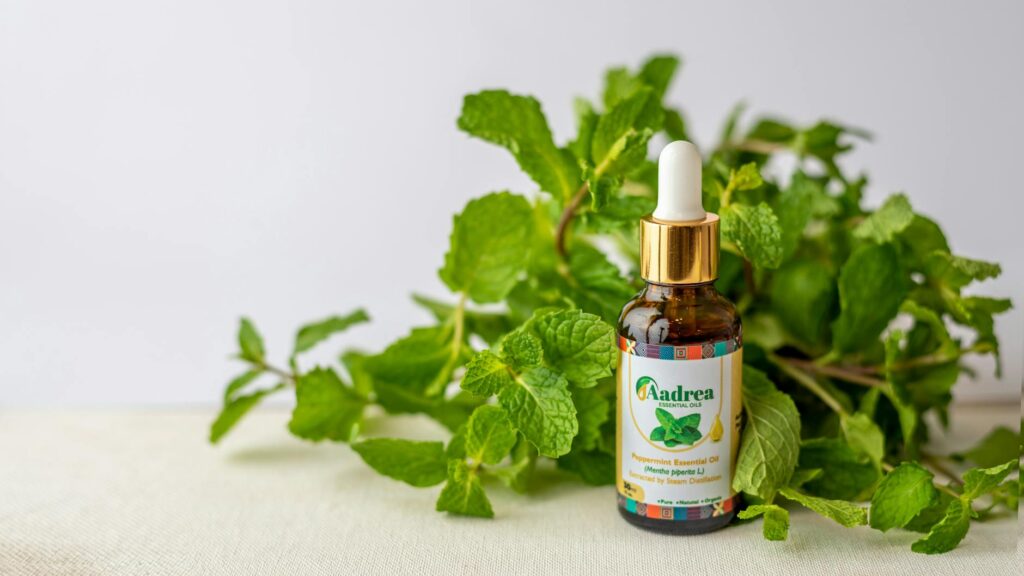
Complete Guide to Peppermint Oil Part 14
Introduction
Peppermint oil has gained significant popularity in recent years, appreciated for its invigorating scent and numerous applications. As a versatile essential oil derived from the Peppermint plant (Mentha × piperita), it offers a wide range of benefits and uses across various domains, including aromatherapy, personal care products, and household cleaning solutions. This guide aims to provide a comprehensive overview of peppermint oil, covering its properties, benefits, common uses, and safety considerations.
What Is Peppermint Oil?
Peppermint oil is an essential oil extracted from the leaves of the peppermint plant, a hybrid of watermint and spearmint. The extraction process typically involves steam distillation, which allows for the capture of the oil’s potent aromatic compounds. Peppermint oil is characterized by its sharp, minty aroma and is often used in both culinary and therapeutic applications. It contains several key constituents, including menthol, menthone, and limonene, which contribute to its distinctive fragrance and therapeutic properties.
Key Benefits and Properties
Peppermint oil is well-regarded for its diverse array of benefits, which can be broadly categorized into its aromatic, topical, and internal properties.
1. Aromatic Properties
The aroma of peppermint oil is refreshing and uplifting, often used to promote mental clarity and focus. Its invigorating scent can help create an energizing atmosphere, making it a popular choice in diffusers and aromatherapy blends.
2. Topical Benefits
When diluted with a carrier oil, peppermint oil may provide cooling sensations and is often utilized in massage blends for muscle relaxation and relief. Its natural analgesic properties make it a common ingredient in topical formulations aimed at soothing discomfort.
3. Digestive Support
While not intended as medical advice, peppermint oil is sometimes incorporated into culinary practices for its potential to aid digestion and alleviate discomfort associated with digestive issues. It is often found in teas, candies, and digestive aids.
4. Antimicrobial Properties
Research has indicated that peppermint oil possesses antimicrobial properties, which may make it useful in formulations aimed at cleansing and purifying the skin.
Common Uses
Peppermint oil has a wide range of applications across various fields:
1. Aromatherapy
In aromatherapy, peppermint oil is used in diffusers and inhalation blends to promote mental clarity and enhance mood.
2. Personal Care Products
It is commonly found in toothpaste, mouthwash, and other oral hygiene products due to its refreshing taste and potential antibacterial properties. Additionally, it is used in shampoos and conditioners for its invigorating scent.
3. Culinary Uses
Peppermint oil is used sparingly in cooking and baking, often added to desserts, confections, and beverages. It can be used to flavor teas or incorporated into chocolates.
4. Household Cleaning
Due to its antimicrobial properties, peppermint oil is often used in natural cleaning solutions. It can be added to homemade cleaners to impart a fresh scent and enhance their effectiveness.
5. Massage Oils
Diluted peppermint oil is frequently included in massage oils to provide a cooling effect and enhance relaxation during massage therapy sessions.
Aromatherapy Applications
Peppermint oil is a staple in the practice of aromatherapy, where it is used to promote emotional and physical well-being. Some common applications include:
1. Diffusing
Using a diffuser, peppermint oil can be blended with other essential oils such as lavender or eucalyptus to create a refreshing atmosphere.
2. Inhalation
Simply inhaling the aroma directly from the bottle or a cotton ball can stimulate the senses and enhance alertness.
3. Bathing
Adding a few drops of peppermint oil to bathwater can provide a refreshing and invigorating bathing experience.
4. Massage
When combined with a carrier oil, peppermint oil can be massaged into the skin to relieve tension and promote relaxation.
Safety Considerations
While peppermint oil is generally regarded as safe for use, certain precautions should be observed:
1. Dilution
Peppermint oil should always be diluted with a carrier oil when applied topically to avoid skin irritation. Recommended carrier oils include coconut oil, jojoba oil, or sweet almond oil.
2. Sensitivity Testing
Before applying peppermint oil to the skin, a patch test is advisable. Apply a small amount of diluted oil to a discreet area and observe for any adverse reactions.
3. Avoiding Sensitive Areas
Peppermint oil should not be applied to sensitive areas of the body, including the eyes, mucous membranes, or broken skin.
4. Pregnancy and Nursing
Pregnant and nursing individuals should consult a healthcare professional before using peppermint oil, as its effects during these stages may vary.
5. Children
Peppermint oil is not recommended for use on young children, especially those under the age of two. Always consult with a qualified practitioner prior to use in children.
Storage and Shelf Life
To maintain the quality of peppermint oil, proper storage is essential. Here are some guidelines:
1. Storage Conditions
Keep peppermint oil in a cool, dark place away from direct sunlight, as light and heat can degrade the oil’s quality.
2. Container
Store the oil in a dark glass bottle with a tight-sealing lid to protect it from air and light exposure.
3. Shelf Life
When stored properly, peppermint oil has a shelf life of about 3 to 5 years. However, it is recommended to check for any changes in scent or consistency before use, as these could indicate that the oil has gone rancid.
Frequently Asked Questions
1. Can peppermint oil be ingested?
While peppermint oil is used in culinary applications, it should be ingested with caution and in small amounts. Always ensure that the oil is food grade if intended for consumption.
2. Is peppermint oil safe for pets?
Peppermint oil should be used with caution around pets. Some animals may be sensitive to essential oils, and it is advisable to consult a veterinarian before use.
3. Can peppermint oil help with headaches?
Many individuals use peppermint oil topically on the temples for relief from headaches. However, individual responses may vary, and it should not be considered a substitute for professional medical treatment.
4. How can I choose a high-quality peppermint oil?
Look for essential oils that are labeled as 100% pure and therapeutic grade. Ideally, the oil should be sourced from reputable suppliers and subjected to rigorous quality testing.
5. Can peppermint oil be used in a humidifier?
It is not recommended to use peppermint oil directly in a humidifier, as the heat may alter its properties. Instead, use a diffuser designed for essential oils.
Conclusion
Peppermint oil is a remarkable essential oil with a rich history and a variety of applications. From its invigorating aroma to its potential benefits in personal care and household cleaning, peppermint oil continues to be a popular choice among essential oil enthusiasts. By understanding its properties, uses, and safety considerations, individuals can effectively incorporate peppermint oil into their daily routines, enhancing both wellness and enjoyment in everyday life.