
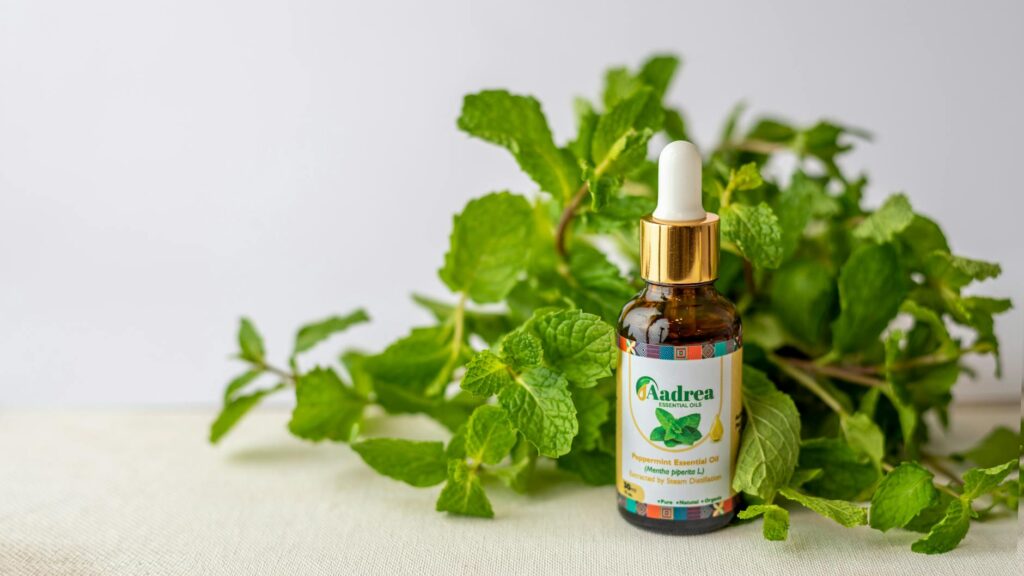
Complete Guide to Peppermint Oil Part 15
Introduction
Peppermint oil has captivated the interest of individuals for centuries, both for its invigorating aroma and its myriad applications. This essential oil, derived from the peppermint plant (Mentha × piperita), is celebrated for its diverse properties and benefits. In this comprehensive guide, we delve into the nature of peppermint oil, its benefits, various applications, and important safety considerations.
What Is Peppermint Oil?
Peppermint oil is an essential oil extracted from the leaves and flowering tops of the peppermint plant. This hybrid species is a cross between watermint and spearmint, and it is commonly cultivated in many regions worldwide. The extraction process typically involves steam distillation, which preserves the plant’s volatile compounds, resulting in a potent oil packed with aromatic and therapeutic properties.
The primary constituents of peppermint oil include menthol, menthone, and various other compounds that contribute to its characteristic scent and effects. The oil appears clear to pale yellow and has a fresh, minty aroma that is both stimulating and calming.
Key Benefits and Properties
Peppermint oil possesses a range of benefits and properties that have made it a staple in both traditional and modern practices. Some of the notable characteristics include:
- Cooling Sensation: The high menthol content in peppermint oil provides a cooling effect on the skin and mucous membranes, making it popular for topical applications.
- Digestive Support: Traditionally, peppermint oil has been used to help alleviate digestive discomfort and promote healthy digestion. Its carminative properties may help to reduce gas and bloating.
- Mental Clarity: The invigorating scent of peppermint oil is often associated with enhanced focus and mental clarity. It may help reduce fatigue and promote alertness.
- Antimicrobial Properties: Preliminary studies suggest that peppermint oil may have antimicrobial effects, making it a candidate for natural cleaning products and personal care items.
- Respiratory Relief: The cooling and decongestant properties of peppermint oil can aid in relieving nasal congestion and respiratory discomfort.
- Container: Store peppermint oil in a dark glass bottle to protect it from light exposure, which can degrade the oil.
- Cool Environment: Keep the oil in a cool, dry place away from direct sunlight and heat sources.
- Seal Tightly: Ensure the bottle is tightly sealed to prevent evaporation and oxidation.
Common Uses
Peppermint oil is versatile, with applications in various fields, including:
1. Aromatherapy
Inhaling peppermint oil can create a refreshing atmosphere, helping to uplift mood and enhance mental clarity. It is often used in diffusers or added to bath water for a soothing experience.
2. Topical Applications
When diluted with a carrier oil, peppermint oil can be applied to the skin for its cooling effects. It is commonly used in massage oils, lotions, and creams to soothe sore muscles or relax tension.
3. Household Products
Peppermint oil is frequently incorporated into natural cleaning products due to its pleasant fragrance and potential antimicrobial properties. It can also act as a natural pest deterrent.
4. Culinary Uses
In culinary applications, peppermint oil can be used to flavor foods and beverages, including teas, desserts, and confections. Due to its potency, only a few drops are typically needed.
5. Personal Care
Many personal care items, including toothpaste, mouthwash, and deodorants, utilize peppermint oil for its fresh scent and potential antibacterial properties.
Aromatherapy Applications
In the realm of aromatherapy, peppermint oil is celebrated for its invigorating and uplifting qualities. Here are some common methods of application:
Diffusion
Using a diffuser, peppermint oil can be dispersed into the air to create a refreshing environment. It is often blended with other essential oils, such as lavender or eucalyptus, to enhance its effects.
Inhalation
For a quick pick-me-up, individuals may place a drop of peppermint oil on a tissue or cotton ball and inhale deeply. This method can provide immediate mental clarity and rejuvenation.
Topical Application
When diluted with a carrier oil, peppermint oil can be massaged onto the skin. This method is commonly employed for tension relief, particularly in the temples or neck area.
Bath Additive
Adding a few drops of peppermint oil to bath water can create a soothing, aromatic experience. The warmth of the water enhances the oil’s properties, promoting relaxation and mental clarity.
Safety Considerations
While peppermint oil is generally considered safe for use, there are important safety precautions to keep in mind:
Dilution
Peppermint oil is highly concentrated; therefore, it should be diluted with a carrier oil before topical application. A common dilution ratio is 1-2 drops of peppermint oil per teaspoon of carrier oil.
Skin Sensitivity
Before applying peppermint oil to larger skin areas, a patch test is recommended to check for any adverse reactions. Some individuals may experience irritation or sensitivity to essential oils.
Pregnancy and Nursing
Pregnant and nursing individuals should consult with a healthcare professional before using peppermint oil, as its effects during these periods are not fully understood.
Children
Peppermint oil is generally not recommended for use on children under the age of two due to its potency and potential for respiratory irritation.
Medical Conditions
Individuals with certain medical conditions, particularly those related to the gastrointestinal tract or gallbladder, should seek guidance from a qualified practitioner before using peppermint oil.
Storage and Shelf Life
Proper storage of peppermint oil is essential to maintain its quality and potency. Here are some best practices:
Storage Recommendations
Shelf Life
When stored correctly, peppermint oil has a shelf life of approximately 1-3 years. However, its aromatic qualities may diminish over time. It is advisable to check for changes in scent, color, or viscosity before use.
Frequently Asked Questions
1. Can peppermint oil be ingested?
While some culinary uses of peppermint oil exist, it is essential to use food-grade oil and consult with a knowledgeable source regarding safe ingestion practices.
2. Is peppermint oil safe for pets?
Peppermint oil can be harmful to pets, particularly cats and dogs, when ingested or applied topically. Always consult a veterinarian before using essential oils around pets.
3. Can peppermint oil help with headaches?
Many individuals use peppermint oil for its cooling and soothing properties to alleviate tension headaches. However, results may vary, and it is not a substitute for professional medical advice.
4. How can I incorporate peppermint oil into my daily routine?
Peppermint oil can be added to personal care products, used in cooking, or diffused in your living space to enjoy its refreshing benefits throughout the day.
5. Can peppermint oil be used in homemade cleaning products?
Yes, peppermint oil is often added to homemade cleaning solutions for its pleasant scent and potential antibacterial properties.
Conclusion
Peppermint oil stands as a remarkable essential oil, prized for its diverse applications and benefits. Whether utilized in aromatherapy, personal care, or culinary practices, its invigorating properties continue to captivate individuals around the globe. As with all essential oils, understanding safe usage and storage is crucial to maximizing its benefits. By exploring the many facets of peppermint oil, enthusiasts can embrace its potential in their daily lives.