
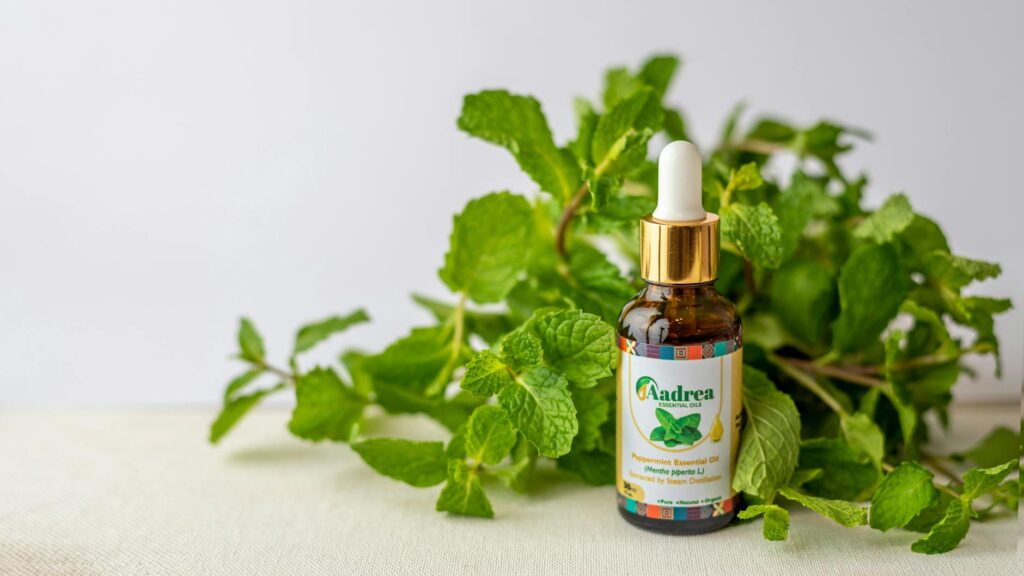
Complete Guide to Peppermint Oil Part 2
Introduction
Peppermint oil has captivated the interest of individuals and practitioners alike for centuries due to its invigorating scent and versatile properties. As a hybrid plant, peppermint combines the characteristics of both spearmint and water mint, presenting a unique profile that lends itself well to various applications, particularly in aromatherapy and natural health. In this guide, we will explore the intricacies of peppermint oil, including its benefits, common uses, and safety considerations.
What Is Peppermint Oil?
Peppermint oil (Mentha × piperita) is an essential oil derived from the leaves of the peppermint plant. Its extraction typically involves steam distillation, which captures the aromatic compounds and volatile oils that give peppermint its distinctive scent.
The oil is characterized by its high menthol content, which contributes to its cooling sensation and invigorating aroma. This essential oil is commonly used in various industries, including cosmetics, food, and natural health products, making it a staple in many households.
Key Benefits and Properties
Peppermint oil is celebrated for its myriad of beneficial properties, including:
- Antimicrobial Properties: Studies suggest that peppermint oil may exhibit antimicrobial effects, making it a popular choice for natural cleaning products and personal care items.
- Analgesic Effects: The menthol in peppermint oil is known for its cooling sensation, which can provide relief from minor aches and discomforts when applied topically.
- Digestive Support: While peppermint is often consumed as tea, its oil is also believed to aid digestion by promoting the secretion of digestive enzymes.
- Mood Enhancement: The invigorating aroma of peppermint oil is thought to help uplift mood and improve mental clarity, making it a popular choice in aromatherapy.
- Respiratory Relief: The menthol in peppermint oil may help open up the airways, making it a common ingredient in products designed for respiratory support.
- Container: Store peppermint oil in a dark glass bottle to protect it from light, which can degrade its quality.
- Temperature: Keep the oil in a cool, dry place, away from direct sunlight and heat sources.
- Shelf Life: When stored correctly, peppermint oil typically has a shelf life of 3-5 years. However, it’s advisable to check for changes in scent, consistency, or color, as these may indicate that the oil has expired.
Common Uses
Peppermint oil is incredibly versatile and can be used in various forms. Here are some common applications:
1. Aromatherapy: Diffusing peppermint oil in a space can create an uplifting atmosphere and may enhance focus and concentration.
2. Massage Oil: When diluted with a carrier oil, peppermint oil can be applied to sore muscles for a soothing effect.
3. Personal Care Products: Peppermint oil is often found in toothpaste, mouthwash, and skincare products due to its refreshing properties.
4. Culinary Uses: It is commonly used to flavor candies, desserts, and beverages, providing a refreshing taste.
5. Household Cleaner: Its antimicrobial properties make peppermint oil a natural choice for homemade cleaning solutions.
Aromatherapy Applications
In the realm of aromatherapy, peppermint oil is highly regarded for its stimulating effects. Here are some popular ways to incorporate it:
Diffusion
Diffusing peppermint oil can create an energizing environment. To do this, add a few drops of peppermint oil to a diffuser filled with water. The dispersal of the oil can help improve concentration and mental clarity.
Inhalation
Inhaling peppermint oil directly from the bottle or from a cotton ball can provide immediate stimulation and clarity. This method is often used to combat feelings of fatigue or sluggishness.
Massage
When diluted with a carrier oil, peppermint oil can be used in massage to relieve tension in sore muscles. A common blend is to mix 2-3 drops of peppermint oil with a tablespoon of a carrier oil such as coconut or jojoba.
Safety Considerations
While peppermint oil is generally considered safe when used appropriately, there are several precautions to keep in mind:
1. Dilution: Always dilute peppermint oil with a carrier oil before applying it to the skin to avoid irritation.
2. Sensitivity: Conduct a patch test on a small area of skin before widespread use to check for any allergic reactions.
3. Pregnancy and Nursing: Pregnant and nursing individuals should consult a healthcare professional before using peppermint oil.
4. Children and Pets: Exercise caution when using peppermint oil around children and pets, as they may be more sensitive to its effects.
5. Avoiding Mucous Membranes: Peppermint oil should not come into contact with sensitive areas, such as the eyes or mucous membranes.
Storage and Shelf Life
Proper storage of peppermint oil is essential to maintain its potency and efficacy. Here are some tips:
Frequently Asked Questions
1. What is the difference between peppermint oil and spearmint oil?
Peppermint oil contains a higher concentration of menthol, giving it a stronger and more intense aroma compared to spearmint oil, which has a sweeter and milder scent. Each oil has its distinct properties and applications.
2. Can peppermint oil be ingested?
While peppermint oil can be used in cooking and baking, it is important to use food-grade peppermint oil and to consult with a knowledgeable source if considering ingestion for therapeutic purposes.
3. How can I use peppermint oil for headaches?
Some individuals find relief from headaches by applying diluted peppermint oil to their temples. The cooling sensation may offer a soothing effect, but it is advisable to consult a healthcare provider for persistent headaches.
4. Is peppermint oil safe for pets?
Peppermint oil can be toxic to some pets, particularly cats and dogs. It’s crucial to consult with a veterinarian before using peppermint oil around animals.
5. Can I use peppermint oil in my bath?
Yes, peppermint oil can be added to bath water for a refreshing experience. However, it should be diluted in a carrier oil or bath salts to prevent skin irritation.
Conclusion
Peppermint oil is a multifaceted essential oil with an array of benefits and applications. Whether used in aromatherapy, personal care, or culinary endeavors, its invigorating properties make it a beloved choice among enthusiasts. By understanding its uses, safety considerations, and proper storage, you can harness the full potential of peppermint oil in your daily life. Always remember to approach essential oils with respect and awareness, ensuring that your experiences are both safe and enjoyable.