
Complete Guide to Peppermint Oil Part 3
Introduction
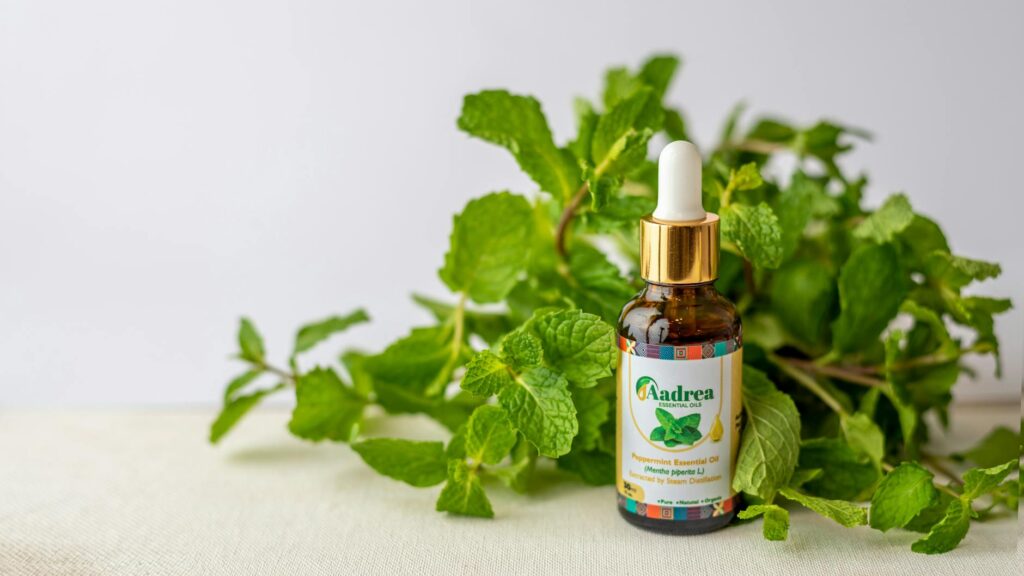
Peppermint oil, derived from the peppermint plant (Mentha × piperita), has been cherished for centuries for its aromatic and therapeutic properties. This volatile oil is extracted through steam distillation of the leaves and flowering tops of the peppermint plant, resulting in a potent and fragrant essential oil. In this article, we will delve deeper into peppermint oil, exploring its unique properties, benefits, applications in aromatherapy, and important safety considerations.
What Is Peppermint Oil?
Peppermint oil is a concentrated extract obtained from the peppermint plant, a hybrid of water mint and spearmint. The oil is characterized by its strong, fresh, and invigorating scent, attributed primarily to two key compounds: menthol and menthone. These compounds not only give peppermint its distinctive aroma but also contribute to many of its beneficial properties.
Key Benefits and Properties
1. Cooling Sensation
One of the most notable characteristics of peppermint oil is its cooling effect when applied to the skin or inhaled. This sensation is primarily due to menthol, which activates the cold-sensitive receptors in the skin and mucous membranes, providing a refreshing experience.
2. Digestive Support
Peppermint oil is often associated with digestive health. It is believed to help soothe occasional digestive discomfort and promote overall digestive wellness. Its carminative properties can assist in reducing gas and bloating.
3. Mental Clarity and Focus
The invigorating aroma of peppermint oil can stimulate the mind and enhance cognitive function. Many users report improved concentration and mental clarity when using peppermint oil, making it a popular choice for study environments or during long periods of focus.
4. Mood Enhancement
Aromatherapy with peppermint oil may contribute to an uplifted mood. Its refreshing scent can help alleviate feelings of fatigue and stress, providing a natural boost to emotional well-being.
5. Antimicrobial Properties
Research has indicated that peppermint oil possesses some antimicrobial qualities, making it a potential candidate for use in natural cleaning products and personal care items. Its ability to inhibit certain types of bacteria and fungi adds to its appeal in various formulations.
Common Uses
Peppermint oil is versatile and can be employed in various ways:
1. Aromatherapy Diffusion
Diffusing peppermint oil in a room can create an invigorating atmosphere. It is commonly used in essential oil blends to enhance mood and energy levels.
2. Topical Application
Diluted peppermint oil is often used in massage oils and creams to relieve muscle tension and provide a cooling sensation. It is important to dilute it with a carrier oil to avoid skin irritation.
3. Inhalation
Inhaling peppermint oil directly from the bottle or using it in a steam inhalation can help clear the airways and promote easier breathing. This method is especially popular during allergy seasons.
4. Household Products
Peppermint oil can be added to homemade cleaning solutions for its antimicrobial properties and pleasant scent. It is also used in natural insect repellents, as many pests are deterred by its strong aroma.
5. Personal Care Products
Many commercial products, such as toothpaste, mouthwash, and shampoos, incorporate peppermint oil for its flavor and refreshing qualities.
Aromatherapy Applications
1. Mental Clarity
To harness the benefits of peppermint oil for mental clarity, it can be added to a diffuser or inhaled directly. Combining it with other essential oils such as lemon or rosemary can enhance its effects.
2. Stress Relief
For stress relief, a few drops of peppermint oil can be combined with calming oils such as lavender or chamomile. This blend can be used in a diffuser, in bathwater, or in massage oils.
3. Energy Boost
A blend of peppermint oil and citrus oils, like orange or grapefruit, can create a stimulating environment. This combination is particularly effective during periods of fatigue or low energy.
4. Respiratory Support
For respiratory support, peppermint oil can be used in steam inhalations or added to chest rubs. It is often blended with eucalyptus or tea tree oil for enhanced effects.
Safety Considerations
While peppermint oil is generally considered safe for use, there are important safety considerations to keep in mind:
1. Dilution
Always dilute peppermint oil with a carrier oil before topical application to reduce the risk of skin irritation. A common dilution ratio is 2-3 drops of essential oil per teaspoon of carrier oil.
2. Sensitive Skin
Individuals with sensitive skin should perform a patch test before using peppermint oil. Apply a small diluted amount to a discreet area of skin and wait 24 hours to check for any adverse reactions.
3. Pregnancy and Nursing
Pregnant or nursing women should consult a healthcare professional before using peppermint oil, as its safety during these periods is not well-established.
4. Children
Peppermint oil should be used with caution in children. It is advisable to seek guidance from a qualified practitioner regarding the appropriate use and dilution for children under the age of 12.
5. Medical Conditions
Individuals with certain medical conditions, such as gastroesophageal reflux disease (GERD), should exercise caution when using peppermint oil, as it may exacerbate symptoms. Always consult a healthcare professional if you have concerns.
Storage and Shelf Life
To maintain the quality and potency of peppermint oil, proper storage is essential:
1. Storage Conditions
Store peppermint oil in a cool, dark place, away from direct sunlight and heat. A dark glass bottle is ideal for preserving the oil’s integrity.
2. Shelf Life
When stored correctly, peppermint oil can last for 3 to 5 years. However, it is advisable to check for any changes in aroma, color, or consistency, as these can be indicators of degradation.
Frequently Asked Questions
1. Can I ingest peppermint oil?
Ingesting essential oils is generally not recommended unless under the guidance of a qualified healthcare professional. Some peppermint oils are specifically formulated for internal use, but caution is advised.
2. Can peppermint oil help with headaches?
Many individuals find that inhaling or applying diluted peppermint oil to the temples can provide relief from tension headaches. However, results may vary, and it is essential to consult a healthcare provider for persistent headaches.
3. Is peppermint oil safe for pets?
Peppermint oil should be used with caution around pets. Some essential oils can be toxic to animals. Consult a veterinarian before using peppermint oil in a household where pets are present.
4. Can I use peppermint oil in cooking?
If you are using food-grade peppermint oil, it can be incorporated into recipes in small amounts. However, ensure that it is specifically labeled for culinary use.
5. How can I tell if my peppermint oil is pure?
Look for essential oils that are labeled as 100% pure therapeutic grade. Additionally, checking for third-party testing for purity can provide assurance of the oil’s quality.
Conclusion
Peppermint oil is a fascinating essential oil with a rich history and numerous applications. From its invigorating aroma to its potential benefits in promoting mental clarity and digestive wellness, peppermint oil continues to be a favorite among aromatherapy enthusiasts and natural product lovers alike. By understanding its properties, uses, and safety considerations, individuals can make informed decisions on how to incorporate this versatile oil into their daily routines.