
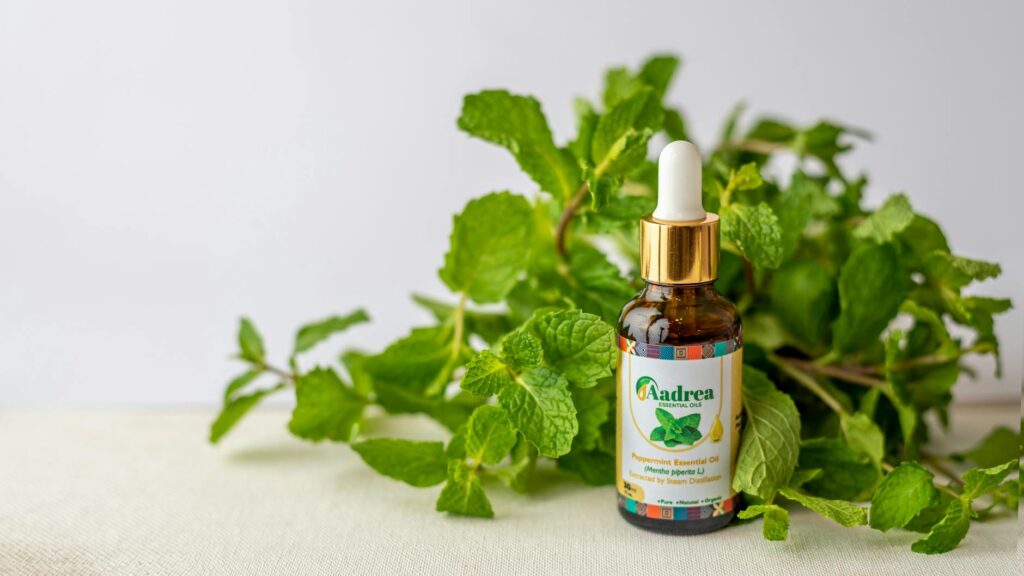
Complete Guide to Peppermint Oil Part 4
Introduction
Peppermint oil, derived from the leaves of the Mentha × piperita plant, has been revered for centuries for its invigorating aroma and versatile applications. This essential oil is not only a staple in aromatherapy but also finds its way into culinary practices and personal care products. In this comprehensive guide, we delve into the various aspects of peppermint oil, including its benefits, uses, applications in aromatherapy, safety considerations, and storage tips.
What Is Peppermint Oil?
Peppermint oil is an essential oil extracted from the peppermint plant, a hybrid of watermint and spearmint. The oil is typically obtained through steam distillation of the plant’s leaves, resulting in a clear to pale yellow liquid with a strong, menthol-like aroma. Its chemical composition includes various compounds, with menthol and menthone being the most prominent, contributing to its characteristic scent and properties.
The plant itself thrives in moist, shaded environments and is widely cultivated in many regions around the world. Beyond its aromatic qualities, peppermint oil has gained attention for its potential benefits in various applications.
Key Benefits and Properties
Peppermint oil boasts a range of properties that make it valuable in many contexts. Some of its key benefits include:
1. Cooling Sensation: The high menthol content in peppermint oil creates a cooling effect, making it popular for topical applications and in products designed for soothing discomfort.
2. Digestive Support: Traditionally, peppermint has been associated with digestive health. While scientific evidence is still evolving, many people use the oil to promote feelings of comfort during digestion.
3. Aromatherapy Effects: The invigorating aroma of peppermint oil is known to stimulate the senses, enhance focus, and elevate mood. It’s often used to combat feelings of fatigue or mental fog.
4. Antimicrobial Properties: Some studies suggest that peppermint oil may possess antimicrobial qualities, making it a candidate for natural cleaning solutions and personal care products.
5. Respiratory Relief: The menthol in peppermint oil can help open up nasal passages, which is why it is often incorporated into products aimed at promoting clear breathing.
Common Uses
Peppermint oil is widely used across various domains, including:
- Culinary Applications: It is often used to flavor candies, teas, and baked goods. A few drops can enhance the taste of dishes, but it should be used sparingly due to its potency.
- Personal Care Products: Peppermint oil is a common ingredient in oral care products like toothpaste and mouthwash, as well as in skincare products for its refreshing properties.
- Household Cleaning: Thanks to its antimicrobial properties, peppermint oil is sometimes included in natural cleaning solutions to freshen and purify spaces.
- Massage Therapy: When diluted with a carrier oil, peppermint oil is frequently used in massages to relieve muscle tension and promote relaxation.
- Dilution: Always dilute peppermint oil with a carrier oil before applying it to the skin. A standard dilution is typically 1-3 drops of peppermint oil per teaspoon of carrier oil.
- Patch Test: Conduct a patch test on a small area of skin before using peppermint oil topically to check for any adverse reactions.
- Pregnancy and Nursing: Pregnant and nursing individuals should consult with a healthcare professional before using peppermint oil, as its effects during these periods are not well-studied.
- Children and Pets: Use caution when applying peppermint oil around children and pets, as it can be potent and may cause irritation or other reactions.
- Avoiding Sensitive Areas: Do not apply peppermint oil near the eyes or sensitive areas of the skin, as it may cause irritation.
- Container: Store peppermint oil in a dark glass bottle to protect it from light, which can degrade its quality.
- Temperature: Keep the oil in a cool, dry place, away from direct sunlight and heat sources. Ideal storage temperatures are typically between 60°F and 75°F (15°C to 24°C).
- Shelf Life: When stored correctly, peppermint oil can last for 3-5 years. However, it’s advisable to check for any changes in scent or appearance before use, as this can indicate degradation.
Aromatherapy Applications
Peppermint oil is a popular choice in aromatherapy due to its uplifting and invigorating scent. Here are some common ways to incorporate peppermint oil into your aromatherapy practice:
Diffusion
Using an essential oil diffuser, peppermint oil can be dispersed into the air to create a refreshing atmosphere. This method is particularly effective in enhancing focus during work or study sessions.
Inhalation
Direct inhalation is another simple way to enjoy the benefits of peppermint oil. Placing a few drops on a tissue or cotton ball and inhaling can provide a quick mental boost.
Bathing
Adding a few drops of peppermint oil to a warm bath can create a revitalizing experience. It may help to alleviate feelings of fatigue and provide a refreshing sensation on the skin.
Blending with Other Oils
Peppermint oil blends well with various other essential oils, such as lavender, eucalyptus, and lemon. These combinations can enhance the aromatic experience and provide a broader range of benefits.
Safety Considerations
While peppermint oil is generally considered safe for use, certain precautions should be taken to ensure safe application:
Storage and Shelf Life
Proper storage of peppermint oil is crucial to maintaining its quality and efficacy. Here are some guidelines:
Frequently Asked Questions
Can I ingest peppermint oil?
While peppermint oil is often used in culinary applications, it should be consumed with caution. Always consult with a knowledgeable source or professional before ingesting essential oils.
How can I use peppermint oil for headaches?
Some individuals find relief from headaches by inhaling peppermint oil or applying a diluted mixture to the temples. However, personal experiences can vary, and it’s essential to explore what works best for you.
Is peppermint oil safe for children?
Peppermint oil can be used with caution for older children but should be avoided for infants and very young children. Always consult a healthcare professional first.
Can peppermint oil help with allergies?
While some people find that peppermint oil helps alleviate symptoms associated with allergies, individual responses can vary. Its cooling and invigorating properties may offer temporary relief, but it is not a substitute for medical treatment.
What other oils blend well with peppermint oil?
Peppermint oil blends well with a variety of essential oils, including lavender, eucalyptus, lemon, tea tree, and rosemary. Experimenting with different combinations can lead to unique aromatic experiences.
Conclusion
Peppermint oil is a versatile essential oil that offers a multitude of benefits and applications. With its refreshing aroma and potential therapeutic properties, it serves as a valuable addition to both personal care and household practices. By understanding its uses, benefits, safety considerations, and proper storage methods, individuals can make the most of this remarkable oil in their daily lives. Whether through aromatherapy, culinary uses, or personal care, peppermint oil continues to be a beloved staple in the world of essential oils.