
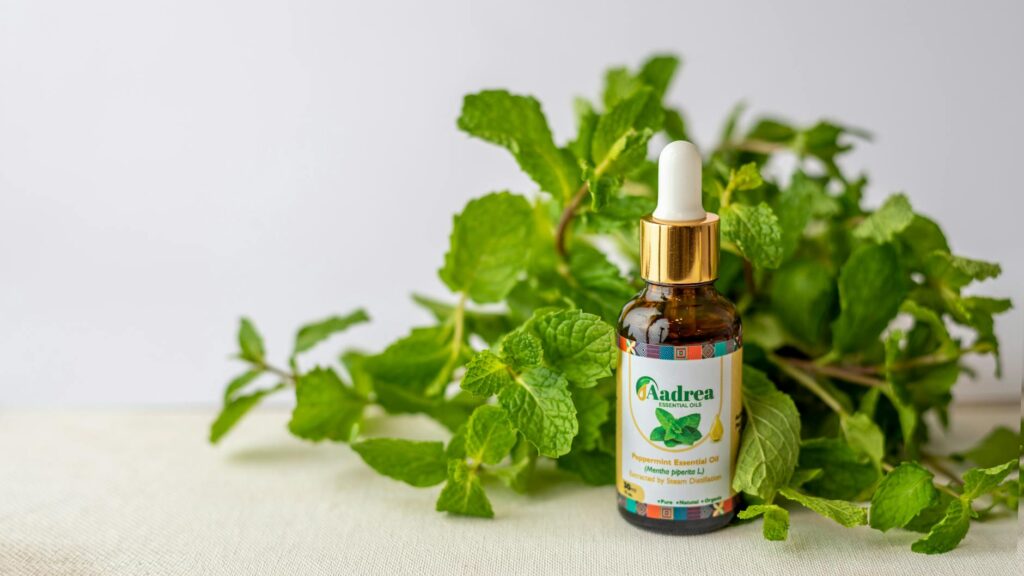
Complete Guide to Peppermint Oil Part 5
Introduction
Peppermint oil, derived from the leaves of the Mentha × piperita plant, has been a staple in both culinary and therapeutic practices for centuries. Its invigorating scent and versatile properties make it an essential oil valued across various domains, from aromatherapy to personal care. This article delves into the multifaceted world of peppermint oil, exploring its benefits, applications, safety considerations, and more.
What Is Peppermint Oil?
Peppermint oil is an essential oil obtained through steam distillation of the flowering tops and leaves of the peppermint plant. This plant is a hybrid of watermint and spearmint, and it is known for its distinct cooling effect and aromatic profile. Peppermint oil is characterized by its high menthol content, which contributes to its refreshing scent and stimulating properties.
The oil appears as a clear or pale yellow liquid and has a strong, minty aroma that is both invigorating and uplifting. Its unique composition includes various chemical constituents such as menthol, menthone, isomenthone, and other terpenes, which contribute to its sensory and therapeutic qualities.
Key Benefits and Properties
Peppermint oil is celebrated for its numerous benefits, which can be categorized into several key properties:
1. Antimicrobial: The oil has demonstrated antimicrobial properties, which may help inhibit the growth of certain bacteria and fungi.
2. Analgesic: Known for its cooling sensation, peppermint oil is often used in topical applications for its potential pain-relieving effects.
3. Digestive Aid: Peppermint oil is commonly associated with digestive health, as it may help alleviate discomfort related to indigestion and bloating.
4. Mental Clarity: The invigorating aroma of peppermint oil is believed to enhance focus and concentration, making it a popular choice for promoting mental clarity.
5. Respiratory Support: The oil is often used to support respiratory health, as its aroma can help open airways and promote clear breathing.
These properties make peppermint oil a versatile addition to various personal care products, household cleaning agents, and aromatherapy practices.
Common Uses
Peppermint oil is utilized in a wide array of applications, including:
- Culinary Uses: Peppermint oil can be added to food and beverages for flavor enhancement. It is commonly used in candies, desserts, teas, and cocktails. However, it is essential to use food-grade peppermint oil and to adhere to recommended dosages.
- Personal Care Products: Due to its refreshing scent and potential skin benefits, peppermint oil is often found in shampoos, soaps, lotions, and oral care products such as toothpaste.
- Household Cleaning: The antimicrobial properties of peppermint oil make it a popular ingredient in natural cleaning solutions and disinfectants.
- Inhalation: Peppermint oil is frequently used in diffusers or steam inhalation to promote a sense of well-being and enhance respiratory comfort.
- Topical Applications: The oil can be blended with carrier oils for massage or localized application to areas of discomfort.
- Diffusion: When diffused, peppermint oil can create an energizing atmosphere, ideal for workspaces or study areas. It can help enhance alertness and concentration.
- Inhalation: Direct inhalation of peppermint oil can provide immediate refreshment and clarity. This can be achieved by placing a few drops on a tissue or using an inhaler.
- Blended Formulations: Peppermint oil can be blended with other essential oils, such as lavender or eucalyptus, to create synergistic effects. This enhances relaxation while maintaining the invigorating properties of peppermint.
- Baths: Adding a few drops of peppermint oil to bathwater can create a refreshing and revitalizing experience, promoting relaxation while invigorating the senses.
- Dilution: Always dilute peppermint oil with a carrier oil before applying it to the skin. This helps prevent skin irritation and sensitization.
- Skin Sensitivity: Conduct a patch test before using peppermint oil topically to check for any allergic reactions. If irritation occurs, discontinue use.
- Pregnancy and Nursing: Pregnant or nursing individuals should consult a qualified professional before using peppermint oil, as its effects during these periods are not well-studied.
- Children: Peppermint oil may not be suitable for young children. It is advisable to consult a healthcare professional for guidance on age-appropriate use.
- Pre-existing Conditions: Individuals with certain health conditions, such as gastroesophageal reflux disease (GERD) or allergies to mint, should exercise caution and seek advice before using peppermint oil.
- Dark Glass Containers: Store peppermint oil in dark glass containers to protect it from light exposure, which can degrade the oil over time.
- Cool, Dry Place: Keep the oil in a cool, dry place away from direct sunlight and heat sources. This helps preserve its aromatic and therapeutic properties.
- Tightly Sealed: Ensure the container is tightly sealed to prevent evaporation and contamination.
Aromatherapy Applications
Aromatherapy is the practice of using essential oils to improve emotional and physical well-being. Peppermint oil’s invigorating scent makes it particularly effective in various aromatherapy applications:
Safety Considerations
While peppermint oil is generally regarded as safe for use, it is essential to consider certain safety precautions:
Storage and Shelf Life
Proper storage of peppermint oil is crucial for maintaining its quality and potency. Here are some guidelines:
The shelf life of peppermint oil typically ranges from 1 to 3 years, depending on the quality of the oil and storage conditions. Regularly check for any changes in aroma or appearance, which may indicate deterioration.
Frequently Asked Questions
1. Can peppermint oil be ingested?
While peppermint oil can be used in culinary applications, it is crucial to use food-grade oil and adhere to recommended dosages. Always consult a qualified professional for guidance before ingesting essential oils.
2. Is peppermint oil safe for pets?
Peppermint oil can be harmful to pets, particularly cats and dogs. It is advisable to avoid using peppermint oil around pets and consult a veterinarian for safe alternatives.
3. Can I use peppermint oil for headaches?
Many individuals find relief from headaches through the topical application of diluted peppermint oil to the temples. However, results may vary, and it is essential to consult a healthcare professional for persistent headaches.
4. How can I use peppermint oil for digestive issues?
Peppermint oil may be used in aromatherapy or diluted in a carrier oil and massaged onto the abdomen. However, it is important to seek advice from a qualified professional for digestive concerns.
5. How do I choose a quality peppermint oil?
When selecting peppermint oil, look for 100% pure, therapeutic-grade oils. Check for third-party testing and certifications to ensure the oil’s purity and potency.
Conclusion
Peppermint oil is a remarkable essential oil with a wide range of applications and benefits. From its invigorating aroma to its potential therapeutic properties, peppermint oil remains a valuable addition to both personal care and holistic practices. By understanding its uses, safety considerations, and storage guidelines, individuals can effectively incorporate peppermint oil into their daily routines, enhancing their overall well-being. Always remember to approach essential oil use with mindfulness and respect for its potent properties.