
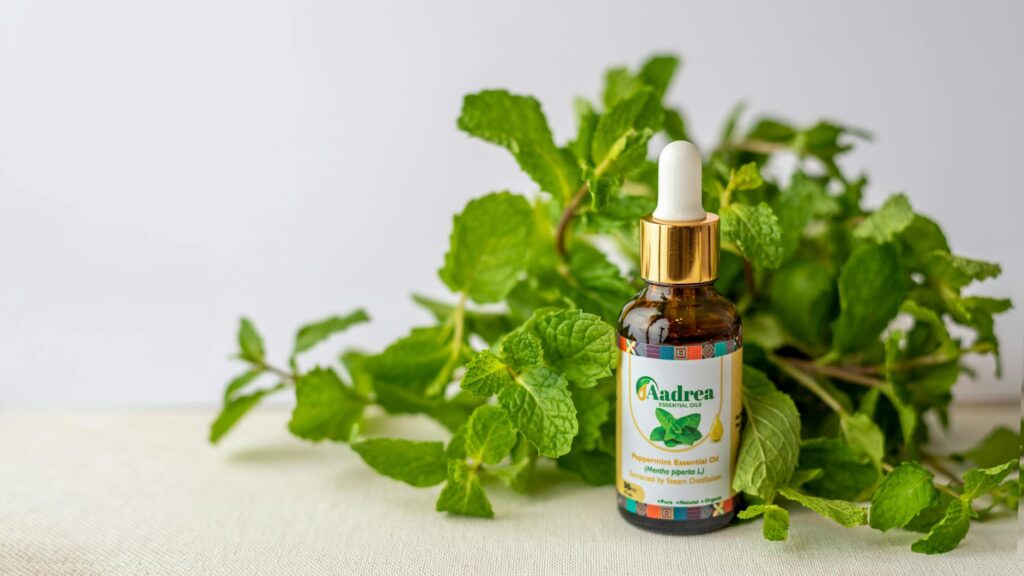
Complete Guide to Peppermint Oil Part 7
Introduction
Peppermint oil has long been a staple in both traditional and modern wellness practices, renowned for its invigorating scent and versatile applications. This essential oil is extracted from the leaves of the peppermint plant (Mentha × piperita), a hybrid of watermint and spearmint. Its unique composition gives it a wide array of properties and uses that extend beyond mere fragrance. This comprehensive guide will delve into the many facets of peppermint oil, offering insights into its benefits, applications, safety considerations, and more.
What Is Peppermint Oil?
Peppermint oil is derived from the steam distillation of the leaves and flowering tops of the peppermint plant. The primary constituents of peppermint oil include menthol, menthone, and various other terpenes and esters. The typical composition may vary based on factors such as growing conditions, harvesting methods, and distillation techniques.
The oil is clear to pale yellow in color and possesses a fresh, minty aroma that is both cooling and uplifting. Peppermint oil is often included in personal care products, food items, and even cleaning supplies, thanks to its refreshing scent and properties.
Key Benefits and Properties
Peppermint oil is celebrated for its numerous benefits, which can be categorized into several key properties:
1. Cooling Effect: Menthol, the primary component of peppermint oil, provides a cooling sensation that can be soothing when applied to the skin or inhaled.
2. Aromatic Properties: The invigorating aroma of peppermint oil is known to enhance mental clarity, promote focus, and reduce fatigue.
3. Digestive Support: While not intended as a medical solution, peppermint oil has been traditionally associated with digestive health and is often used in culinary applications.
4. Antimicrobial Activity: Some studies suggest that peppermint oil may possess antimicrobial properties, making it a popular choice in natural cleaning products.
5. Respiratory Relief: The oil’s aromatic compounds may help in clearing the airways and supporting respiratory health when diffused or inhaled.
6. Mood Enhancement: The uplifting scent of peppermint oil is often used in aromatherapy to elevate mood and alleviate stress.
Common Uses
Peppermint oil’s versatility allows it to be integrated into various aspects of daily life, including:
- Aromatherapy: Used in diffusers or inhalation for its uplifting scent.
- Massage: Diluted in carrier oils for soothing muscle relief.
- Personal Care: Incorporated into shampoos, lotions, and toothpaste for its freshness and potential benefits.
- Culinary Uses: Flavoring in beverages, desserts, and savory dishes.
- Household Cleaning: As a natural antiseptic and deodorizer.
- Dilution: Essential oils are highly concentrated and should always be diluted with a carrier oil before topical application. A common dilution ratio is 2-3 drops of essential oil per tablespoon of carrier oil.
- Skin Sensitivity: Some individuals may experience skin irritation or allergic reactions. It is advisable to perform a patch test before widespread use.
- Avoiding Certain Groups: Pregnant or nursing women, young children, and individuals with specific health conditions should consult a healthcare professional before using peppermint oil.
- Ingestion: While peppermint oil is used in culinary applications, ingesting essential oils can be risky and should only be done under the guidance of a qualified professional.
- Keep Away from Light: Store peppermint oil in a dark glass bottle to protect it from light degradation.
- Cool, Dry Place: Keeping the oil in a cool and dry location, away from heat sources, will help preserve its properties.
- Seal Tightly: Ensure the bottle is tightly sealed to prevent oxidation and contamination.
Aromatherapy Applications
Peppermint oil is a popular choice in aromatherapy due to its stimulating and refreshing qualities. Here are several ways to incorporate peppermint oil into your aromatherapy practice:
Diffusion
Using a diffuser is one of the simplest ways to enjoy the benefits of peppermint oil. A few drops of the oil can be added to a diffuser filled with water, allowing the aroma to fill the room. This method is ideal for creating an energizing atmosphere, particularly during study or work sessions.
Inhalation
For a quick boost of alertness, inhalation techniques can be employed. Simply place a drop or two of peppermint oil on a tissue or your palms, then bring it to your nose and take a few deep breaths. This method can help to clear the mind and improve concentration.
Bathing
Adding peppermint oil to a warm bath can create an invigorating experience. Mix a few drops of the oil with a carrier oil, such as jojoba or coconut oil, to prevent skin irritation before adding it to bathwater. The combination can provide both relaxation and invigoration.
Massage
When diluted in a carrier oil, peppermint oil can be used in massages to relieve tension. The cooling effect of menthol can help soothe sore muscles and promote relaxation, making it a popular choice among massage therapists.
Safety Considerations
While peppermint oil is generally regarded as safe for most individuals when used properly, there are several safety considerations to keep in mind:
Storage and Shelf Life
Proper storage is essential to maintain the quality and efficacy of peppermint oil. Here are some key tips for storage:
The shelf life of peppermint oil typically ranges from 1 to 3 years, depending on storage conditions. If the oil develops an off-smell or changes in color, it is best to discard it.
Frequently Asked Questions
1. Can peppermint oil be used for headaches?
While some individuals use peppermint oil for headache relief due to its cooling effect, it is essential to consult a healthcare professional for advice tailored to your needs.
2. Is peppermint oil safe for children?
Peppermint oil is not recommended for use on young children due to the potential for skin irritation and respiratory issues. Always seek guidance from a healthcare provider.
3. How can I use peppermint oil in cooking?
Peppermint oil can be used sparingly in cooking and baking. A drop or two can enhance flavors in desserts or beverages, but always ensure it is food-grade and consult recipes to determine appropriate amounts.
4. Can I apply peppermint oil directly to my skin?
Peppermint oil should not be applied directly to the skin without dilution. Always mix it with a carrier oil to minimize the risk of irritation.
5. How does peppermint oil affect mood?
The invigorating scent of peppermint oil is believed to enhance mood and alleviate stress. Its uplifting properties make it a popular choice in aromatherapy for promoting mental clarity and focus.
In conclusion, peppermint oil is a remarkable essential oil with a variety of uses and benefits. Whether utilized in aromatherapy, personal care, or culinary applications, its invigorating aroma and properties make it a valuable addition to any wellness routine. However, it is crucial to approach its use with awareness and care, ensuring safety and proper application.