
Complete Guide to Peppermint Oil Safety
Introduction
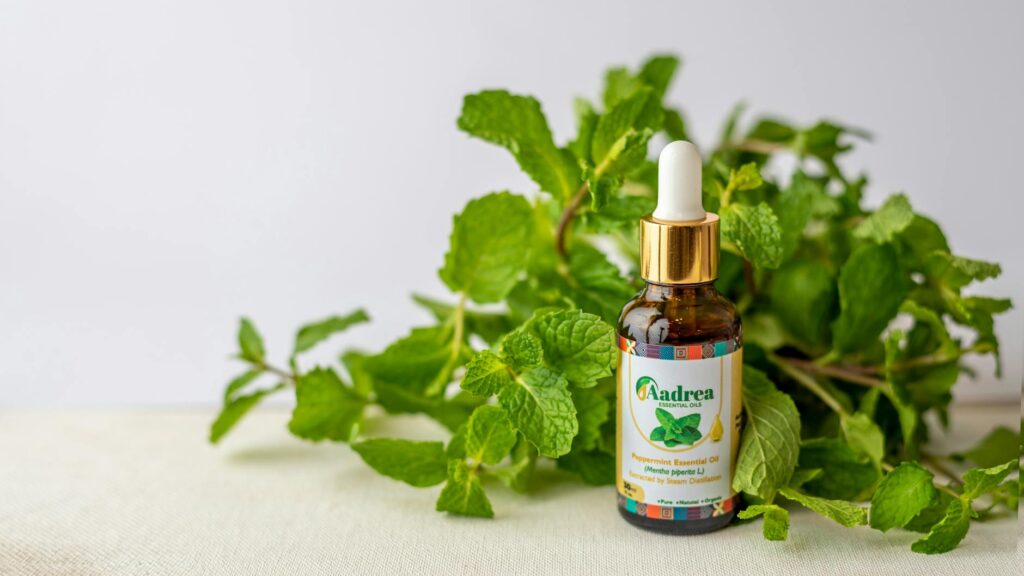
Peppermint oil, derived from the leaves of the Mentha × piperita plant, is one of the most popular essential oils used in aromatherapy and holistic practices. Renowned for its invigorating scent and refreshing properties, peppermint oil has garnered attention not only for its aromatic qualities but also for its potential benefits in various applications. However, like all essential oils, it is crucial to understand the safety considerations associated with its use. This guide aims to provide a comprehensive overview of peppermint oil safety, including its benefits, common uses, and proper handling techniques.
What Is Peppermint Oil Safety?
Peppermint oil safety refers to the guidelines and precautions necessary to ensure the safe use of peppermint essential oil. This encompasses understanding its properties, potential risks, and appropriate applications. Essential oils are highly concentrated plant extracts, and while they can offer various advantages, improper use can lead to adverse reactions. Therefore, it is essential to approach peppermint oil with knowledge and care.
Key Benefits and Properties
Peppermint oil is lauded for its diverse range of properties, which include:
- Analgesic: Known for its soothing effects on headaches and muscle tension.
- Antimicrobial: Exhibits properties that may help combat certain bacteria and fungi.
- Digestive Aid: Commonly used to alleviate symptoms related to indigestion and nausea.
- Cooling Effect: Offers a refreshing sensation that can help invigorate and uplift moods.
- Aromatherapy: Used in diffusers, inhalers, or as a part of a personal fragrance blend.
- Topical Applications: Often diluted with a carrier oil for massage or skin care.
- Culinary Uses: Used sparingly in cooking and baking to impart a refreshing flavor.
- Household Products: Incorporated into cleaning solutions for its antimicrobial properties and pleasant scent.
- Diffusion: Adding a few drops of peppermint oil to a diffuser can create an invigorating atmosphere, helping to alleviate fatigue and improve concentration.
- Inhalation: Directly inhaling the oil from the bottle or using an inhaler can provide immediate energizing effects.
- Massage: When blended with a carrier oil, peppermint oil can be used for massage to relieve tension in muscles and ease headaches.
- Keep Away from Light: Store peppermint oil in a dark, glass container to protect it from UV light.
- Cool Environment: Store the oil in a cool, dry place away from heat sources to prevent degradation.
- Tightly Sealed: Ensure that the bottle is tightly sealed to prevent oxidation and contamination.
These properties contribute to the oil’s popularity in both aromatherapy and topical applications. However, it is crucial to approach these benefits with caution and awareness of individual sensitivities.
Common Uses
Peppermint oil is versatile and can be incorporated into various practices, including:
Understanding the intended use is essential for safe and effective application.
Aromatherapy Applications
In aromatherapy, peppermint oil is often used to promote relaxation and mental clarity. Some popular methods of application include:
While peppermint oil is generally well-received in aromatherapy, it is essential to consider individual preferences and sensitivities.
Safety Considerations
Dilution
Peppermint oil is highly concentrated and should always be diluted before topical application. A common dilution ratio is 1-2 drops of essential oil per teaspoon of carrier oil. This helps to mitigate potential irritation or sensitization.
Skin Sensitivity
Some individuals may experience skin irritation or allergic reactions when using peppermint oil, particularly if used undiluted. A patch test is recommended before widespread application. Apply a small amount of diluted oil to an inconspicuous area and wait 24 hours to observe any adverse reactions.
Inhalation
While inhaling peppermint oil can be beneficial, excessive inhalation may lead to headaches or dizziness. It is advisable to use the oil in moderation and ensure proper ventilation.
Children and Pregnant Women
Peppermint oil is generally not recommended for use in children under the age of two, and pregnant or breastfeeding women should consult with a healthcare professional before using peppermint oil. The oil’s strong aroma and properties may cause discomfort or adverse effects in sensitive populations.
Medical Conditions
Individuals with certain medical conditions, such as gastroesophageal reflux disease (GERD) or asthma, should exercise caution when using peppermint oil. It is advisable to consult with a healthcare practitioner regarding the use of peppermint oil in these scenarios.
Storage and Shelf Life
Proper storage is essential for maintaining the quality and efficacy of peppermint oil. Here are some guidelines:
The shelf life of peppermint oil is typically between 1 to 3 years, depending on storage conditions. Regularly check for any changes in color, consistency, or aroma, which may indicate spoilage.
Frequently Asked Questions
1. Can peppermint oil be ingested?
While peppermint oil is sometimes used in culinary applications, ingestion should be approached with caution. Always consult a healthcare professional before consuming essential oils.
2. How can I use peppermint oil for headaches?
Diluting peppermint oil in a carrier oil and applying it to the temples and neck can provide relief. Alternatively, inhaling the aroma may help alleviate tension.
3. Is peppermint oil safe for pets?
Peppermint oil can be harmful to pets, especially cats and dogs. It is advisable to avoid using peppermint oil around animals or consult a veterinarian for guidance.
4. Can I use peppermint oil for skin care?
Peppermint oil can be beneficial for skin care when diluted properly. However, it is crucial to perform a patch test to ensure no adverse reactions occur.
5. How do I know if I’m allergic to peppermint oil?
If you experience symptoms such as redness, itching, or swelling after using peppermint oil, discontinue use immediately and consult a healthcare professional.
Conclusion
Peppermint oil is a versatile and popular essential oil with a myriad of applications in aromatherapy, culinary practices, and personal care. However, understanding the safety considerations is paramount to ensure its effective and responsible use. By following the guidelines outlined in this guide, you can safely enjoy the benefits of peppermint oil while minimizing potential risks. Always prioritize personal sensitivities and consult with professionals when in doubt to make informed decisions regarding essential oil use.