
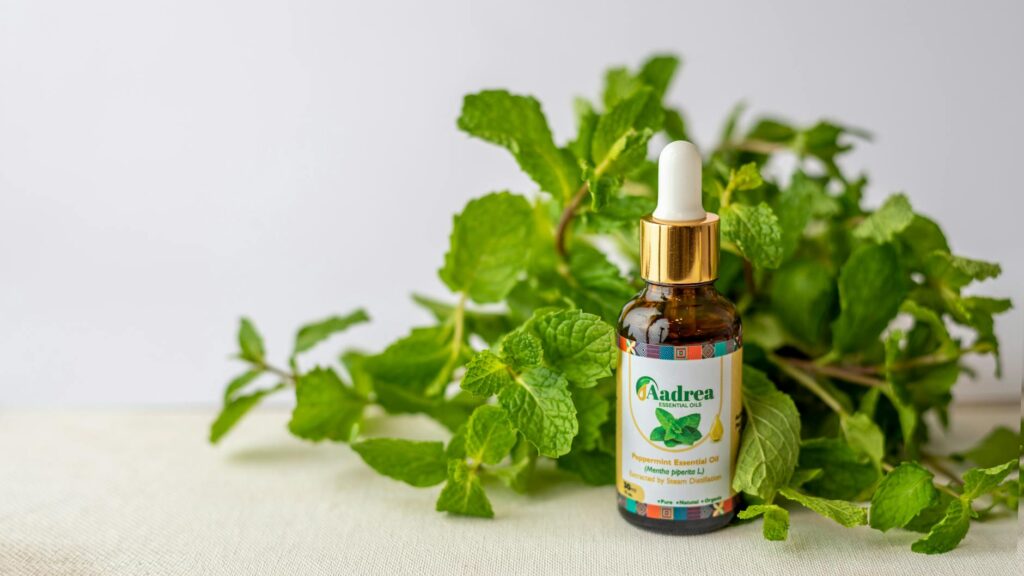
Complete Guide to Peppermint Oil
Introduction
Peppermint oil, derived from the leaves of the Mentha × piperita plant, has been celebrated for centuries due to its invigorating scent and myriad of uses. It is a popular essential oil in aromatherapy, personal care products, and even culinary applications. This guide aims to provide a comprehensive overview of peppermint oil, shedding light on its properties, benefits, and practical applications.
What Is Peppermint Oil?
Peppermint oil is an essential oil obtained through the steam distillation of the leaves of the peppermint plant. The hybrid plant is a cross between watermint and spearmint and is widely cultivated across the globe. The oil typically has a fresh, minty aroma and is characterized by its high menthol content, which contributes to its cooling sensation and unique scent profile.
The oil can vary in appearance, generally being colorless or pale yellow. Its chemical composition includes a range of compounds such as menthol, menthone, and isomenthone, which not only define its scent but also its therapeutic properties.
Key Benefits and Properties
Peppermint oil is renowned for its diverse range of benefits, thanks to its unique chemical profile. Some of the key properties include:
1. Cooling Sensation: The menthol content in peppermint oil produces a cooling effect on the skin and mucous membranes, making it a popular choice for topical applications.
2. Digestive Support: While not a substitute for medical treatment, peppermint oil is often associated with digestive comfort, promoting a sense of relief from bloating and discomfort.
3. Mental Clarity: The invigorating scent of peppermint oil is believed to stimulate the mind, enhancing focus and concentration, which is why it is frequently used in study environments.
4. Muscle Relaxation: When used in massages, peppermint oil may help to alleviate muscle tension and soreness, contributing to a sense of relaxation.
5. Respiratory Relief: The oil’s refreshing aroma can be beneficial in promoting clear breathing, making it a popular choice during colds and seasonal allergies.
Common Uses
Peppermint oil boasts a wide range of applications, making it a versatile addition to both personal care and household products. Some common uses include:
- Aromatherapy Diffusion: Adding a few drops of peppermint oil to a diffuser can uplift the mood and enhance cognitive function.
- Topical Application: When diluted with a carrier oil, peppermint oil can be applied to sore muscles or tension points for a soothing effect.
- Homemade Cleaning Products: Its antimicrobial properties make peppermint oil an effective ingredient in natural cleaning solutions.
- Culinary Uses: Peppermint oil can be used in small amounts to flavor dishes, candies, and beverages, providing a refreshing minty taste.
- Personal Care Products: Many shampoos, lotions, and soaps incorporate peppermint oil for its invigorating scent and skin benefits.
- Dilution: It is crucial to dilute peppermint oil with a carrier oil before applying it to the skin to prevent irritation or allergic reactions.
- Avoiding Sensitive Areas: Keep peppermint oil away from sensitive areas, such as the eyes, mucous membranes, and broken skin.
- Pregnancy and Nursing: Pregnant or nursing individuals should consult a healthcare professional before using peppermint oil.
- Children: Peppermint oil is not recommended for use in children under the age of two due to the potential for respiratory distress.
- Allergic Reactions: As with any essential oil, it is advisable to perform a patch test before widespread use to check for allergic reactions.
- Dark Glass Containers: Essential oils should be stored in dark glass bottles to protect them from light, which can degrade their quality over time.
- Cool, Dry Place: Keep peppermint oil in a cool, dry location away from direct sunlight and heat sources.
- Shelf Life: When stored correctly, peppermint oil can last for about 3 to 5 years. It is advisable to check for any changes in aroma or consistency, as these may indicate that the oil has gone rancid.
Aromatherapy Applications
In the realm of aromatherapy, peppermint oil is valued for its uplifting and clarifying properties. Here are some common applications:
1. Energy Booster: Diffusing peppermint oil in a workspace can help combat fatigue and enhance alertness, making it a popular choice for those in need of a midday pick-me-up.
2. Stress Relief: The refreshing aroma may help to alleviate feelings of stress and anxiety. Inhaling peppermint oil directly or using it in a diffuser during meditation can promote relaxation.
3. Focus and Concentration: Many people find that peppermint oil can help improve focus during tasks requiring mental acuity, such as studying or working on complex projects.
4. Mood Enhancer: The invigorating scent can elevate mood and promote feelings of happiness, making it a great addition to any aromatherapy session.
Safety Considerations
While peppermint oil is generally regarded as safe when used appropriately, there are certain precautions to consider:
Storage and Shelf Life
To maintain the quality and potency of peppermint oil, proper storage is essential:
Frequently Asked Questions
1. How do I use peppermint oil in a diffuser?
To use peppermint oil in a diffuser, add a few drops of the oil to water in the diffuser’s reservoir. Follow the manufacturer’s instructions for operation.
2. Can I ingest peppermint oil?
While some culinary uses exist, it is essential to use only food-grade peppermint oil and consult a knowledgeable source to ensure safety.
3. What are some carrier oils I can use with peppermint oil?
Common carrier oils include coconut oil, jojoba oil, and sweet almond oil. These oils help dilute peppermint oil for safe topical application.
4. Is peppermint oil safe for pets?
Peppermint oil can be harmful to pets, particularly cats and dogs. Always consult a veterinarian before using essential oils around animals.
5. Can peppermint oil help with headaches?
While many people report relief from headaches when using peppermint oil topically or aromatically, individual experiences may vary. It is not a substitute for medical treatment.
Conclusion
Peppermint oil is a versatile and popular essential oil with numerous applications in aromatherapy, personal care, and culinary arts. Its invigorating scent and various properties make it a valuable addition to many households. Understanding its benefits, uses, and safety considerations can enhance your experience and ensure responsible use. Whether you’re seeking a mental clarity boost or a refreshing aroma, peppermint oil stands out as a powerful ally in your essential oil collection.