
Complete Guide to Petitgrain Oil Part 7
Introduction
Petitgrain oil, a lesser-known but highly valued essential oil, is derived from the leaves and twigs of the bitter orange tree (Citrus aurantium). This essential oil has a rich history rooted in traditional practices and is celebrated for its unique aroma and various applications in aromatherapy, personal care, and household uses. This guide aims to provide a comprehensive overview of petitgrain oil, exploring its characteristics, benefits, and safety considerations.
What Is Petitgrain Oil?
Petitgrain oil is primarily extracted through steam distillation from the young leaves and twigs of the bitter orange tree. The term “petitgrain” translates to “little grain” in French, originally referring to the small unripe fruits of the tree. While the more popular oils of the bitter orange tree include orange oil (from the fruit) and neroli oil (from the flowers), petitgrain occupies a unique niche in the world of essential oils.
The oil is typically pale yellow to greenish in color and possesses a fresh, woody, and slightly floral scent. This complex aroma profile makes it a popular choice for use in perfumes, cosmetics, and aromatherapy blends.
Key Benefits and Properties
Petitgrain oil is renowned for its diverse range of benefits and properties, including:
- Calming and Relaxing: Many users find the aroma of petitgrain oil to be soothing, often utilizing it to help mitigate feelings of anxiety and stress. It is believed to promote a sense of tranquility and emotional balance.
- Antiseptic and Astringent: Petitgrain oil exhibits mild antiseptic properties, making it a potential choice for cleansing applications. Its astringent qualities may help tighten tissues and reduce excess oil on the skin.
- Digestive Support: While not a substitute for medical advice, petitgrain oil is sometimes recognized for its potential to support digestive health when used in appropriate contexts.
- Mood Enhancement: The uplifting scent of petitgrain oil may enhance mood and promote a sense of well-being, making it a popular ingredient in various aromatic blends.
- Aromatherapy: Frequently used in diffusers or personal inhalers, petitgrain oil can help create a calming atmosphere in homes and wellness spaces.
- Cosmetics and Personal Care: Its antiseptic properties make petitgrain oil a valuable ingredient in skin care formulations, particularly for oily or acne-prone skin. It is also used in lotions, creams, and hair care products.
- Fragrance: Petitgrain oil is a common component in perfumes and scented products due to its refreshing and complex fragrance profile.
- Household Cleaning: Its antiseptic qualities make it a suitable addition to natural cleaning products, helping to purify surfaces while leaving a pleasant scent.
- Diffusion: Add a few drops of petitgrain oil to a diffuser to fill a space with its calming aroma. This method is ideal for creating a serene environment during meditation, yoga, or relaxation.
- Topical Application: When diluted with a carrier oil, petitgrain oil can be applied to pulse points, such as wrists and temples, to promote relaxation and emotional balance.
- Bathing: Adding petitgrain oil to a warm bath can enhance relaxation. A typical recommendation is to mix it with a carrier oil or an emulsifier before adding it to the bathwater to ensure even distribution.
- Inhalation: Inhaling the scent directly from the bottle or placing a drop on a cotton ball can provide immediate calming effects, especially during stressful moments.
- Dilution: As with all essential oils, it is essential to dilute petitgrain oil before topical application. Common carrier oils include coconut oil, jojoba oil, and sweet almond oil.
- Patch Test: Conduct a patch test on a small skin area before widespread use to check for any adverse reactions.
- Pregnancy and Nursing: Pregnant or nursing individuals should consult with a qualified healthcare professional before using essential oils, including petitgrain oil.
- Children: Keep essential oils out of reach of children. It is advisable to consult with a qualified professional before using essential oils on children.
- Individual Sensitivities: Some individuals may have sensitivities to specific essential oils. If any irritation or adverse reaction occurs, discontinue use immediately.
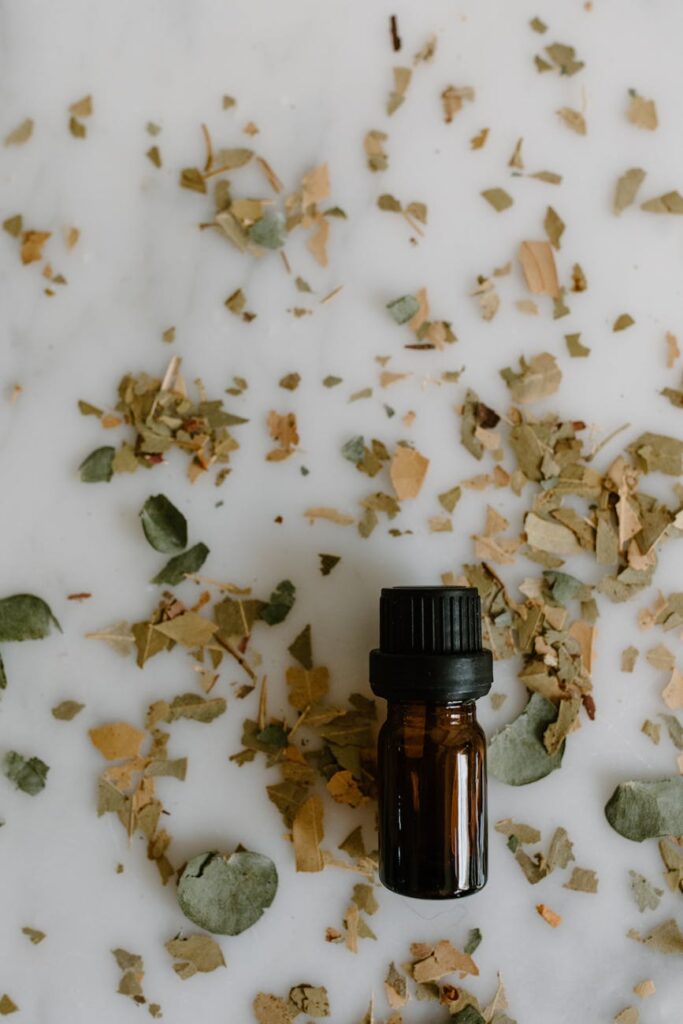
- Container: Store petitgrain oil in a dark glass bottle to protect it from light, which can degrade the oil over time.
- Temperature: Keep the oil in a cool, dry place, away from direct sunlight and heat sources. Extreme temperatures can alter the oil’s chemical composition.
- Shelf Life: When stored correctly, petitgrain oil typically has a shelf life of about 2 to 3 years. However, always check for any changes in aroma, color, or consistency before use.
Common Uses
Petitgrain oil is versatile and can be used in multiple contexts, including:
Aromatherapy Applications
In the realm of aromatherapy, petitgrain oil can be employed in various ways to harness its benefits:
Safety Considerations
While petitgrain oil is generally regarded as safe for use, certain precautions should be observed:
Storage and Shelf Life
Proper storage of petitgrain oil is crucial for maintaining its quality and potency:
Frequently Asked Questions
1. Can petitgrain oil be used in cooking?
Petitgrain oil is primarily used for aromatic and therapeutic purposes rather than culinary applications. It is not recommended for ingestion unless under the guidance of a qualified professional.
2. Is petitgrain oil safe for sensitive skin?
While petitgrain oil is generally well-tolerated, individuals with sensitive skin should conduct a patch test before widespread application. Dilution with a carrier oil is always advisable.
3. How does petitgrain oil compare to orange and neroli oils?
While all three oils are derived from the bitter orange tree, they have distinct properties and aroma profiles. Petitgrain oil is more herbaceous and woody, while orange oil is sweet and fruity, and neroli oil is floral and delicate.
4. Can petitgrain oil help with sleep issues?
Many users find that the calming effects of petitgrain oil can promote relaxation and help ease into sleep. However, individual experiences may vary, and it is best used as part of a broader sleep hygiene routine.
5. Where can I buy quality petitgrain oil?
Quality petitgrain oil can be purchased from reputable essential oil suppliers, health food stores, or online retailers. Always look for oils that are labeled as pure and organic, if possible, to ensure the highest quality.
Conclusion
Petitgrain oil is a versatile and valuable essential oil with a range of applications in aromatherapy, personal care, and household uses. Its calming properties, unique aroma, and potential benefits make it a worthy addition to any essential oil collection. By following safety guidelines and understanding the various ways to use this oil, individuals can experience the rich characteristics of petitgrain oil while enjoying its therapeutic effects.