
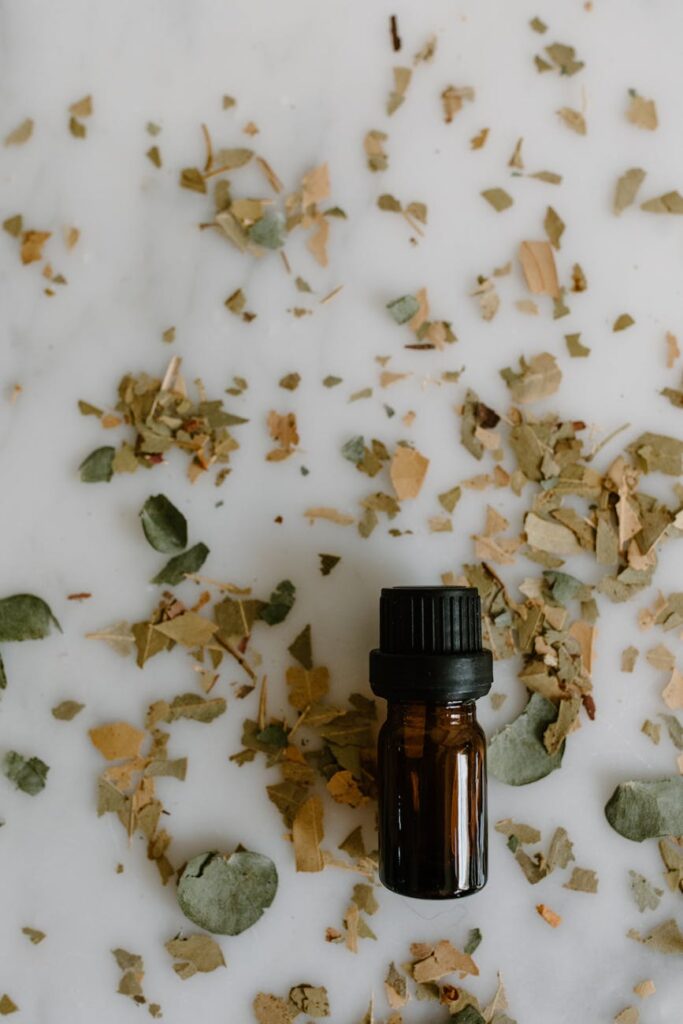
Complete Guide to Pine Essential Oil
Introduction
Pine essential oil, derived from the needles, cones, and twigs of pine trees, has been utilized for centuries in various cultures for its aromatic and therapeutic properties. With its crisp, woody scent, this essential oil not only evokes the serenity of forest environments but also offers a range of benefits that make it a staple in aromatherapy and natural wellness practices. This guide aims to provide a comprehensive overview of pine essential oil, including its characteristics, benefits, uses, and safety considerations.
What Is Pine Essential Oil?
Pine essential oil is extracted primarily from the needles of species such as Pinus sylvestris (Scots pine) and Pinus strobus (Eastern white pine). The extraction process typically involves steam distillation, which allows for the capture of the oil’s volatile compounds while preserving their aromatic qualities. The resulting oil is characterized by its fresh, invigorating scent reminiscent of a forest, often described as uplifting and clarifying.
The chemical composition of pine essential oil includes monoterpenes, such as pinene, limonene, and camphene, which contribute to its distinctive aroma and therapeutic properties. These compounds are responsible for the oil’s ability to promote a sense of clarity and vitality, making it a popular choice in both aromatherapy and household applications.
Key Benefits and Properties
Pine essential oil is celebrated for its numerous benefits, which include:
1. Antimicrobial Properties: Pine essential oil possesses natural antimicrobial properties, making it useful in cleaning products and personal care formulations. Its ability to inhibit the growth of certain bacteria and fungi contributes to a cleaner environment.
2. Respiratory Support: The fresh scent of pine can help to clear the airways and promote easier breathing. Inhaling the aroma may encourage deeper breaths, which can enhance feelings of relaxation and well-being.
3. Mental Clarity and Focus: The invigorating aroma of pine essential oil is believed to enhance mental clarity and concentration. Many people use it during study or work sessions to help improve focus and productivity.
4. Mood Enhancement: The uplifting nature of pine essential oil can help combat feelings of stress and anxiety. Its aroma is often associated with feelings of comfort and grounding, making it a popular choice for emotional balance.
5. Muscle Relief: Pine essential oil is sometimes used in massages for its potential ability to relieve muscle tension and soreness. Its warming properties may help soothe discomfort after physical activity.
Common Uses
Pine essential oil is versatile and can be utilized in various applications, including:
1. Aromatherapy Diffusion: A few drops of pine essential oil in a diffuser can fill a room with its refreshing scent. This method is effective for creating a calming atmosphere and enhancing mood.
2. Cleaning Products: Due to its antimicrobial properties, pine essential oil is often added to homemade cleaning solutions. It can be combined with vinegar or baking soda for a natural disinfectant.
3. Massage Oils: When diluted with a carrier oil, pine essential oil can be used in massages to relieve muscle tension and promote relaxation.
4. Baths: Adding pine essential oil to bathwater can create a revitalizing and soothing experience. It is advisable to dilute the oil in a carrier oil or bath salt before adding it to ensure even distribution.
5. Inhalation: Inhaling the aroma directly from the bottle or using steam inhalation can provide respiratory support and refresh the mind.
Aromatherapy Applications
In aromatherapy, pine essential oil is often used in blends aimed at promoting emotional well-being and physical vitality. Some common blends include:
- Focus Blend: Combining pine essential oil with rosemary and peppermint can create an invigorating blend that supports mental clarity and concentration.
- Relaxation Blend: Mixing pine with lavender and chamomile can help create a calming atmosphere, ideal for reducing stress and promoting restful sleep.
- Respiratory Blend: A combination of pine, eucalyptus, and tea tree oil may assist in creating a blend that supports respiratory health.
When using essential oils for aromatherapy, consider the following methods:
1. Diffusion: Using a diffuser to disperse the oil into the air.
2. Topical Application: Diluting the oil with a carrier oil before applying it to the skin.
3. Inhalation: Directly inhaling the scent from the bottle or from a cotton ball.
Safety Considerations
While pine essential oil is generally regarded as safe for most individuals, certain precautions should be taken:
1. Dilution: Always dilute pine essential oil with a carrier oil before applying it to the skin to avoid irritation.
2. Patch Test: Conduct a patch test before using the oil topically to check for any allergic reactions or sensitivities.
3. Pregnancy and Nursing: Pregnant or nursing individuals should consult with a healthcare professional before using essential oils.
4. Children and Pets: Exercise caution when using essential oils around children and pets. Some essential oils may not be suitable for young children or certain animals.
5. Medical Conditions: Individuals with specific medical conditions or those taking medications should consult a healthcare provider before using pine essential oil.
Storage and Shelf Life
To maintain the integrity of pine essential oil, proper storage is essential. Follow these guidelines:
1. Storage Location: Store the oil in a cool, dark place, away from direct sunlight and heat sources. A dark glass bottle is ideal for protecting the oil from light degradation.
2. Shelf Life: When stored correctly, pine essential oil typically has a shelf life of about 1 to 3 years. Over time, the oil may lose its potency and aroma.
3. Signs of Degradation: If the oil develops an off odor, changes in color, or sediment, it may be best to discard it.
Frequently Asked Questions
Is pine essential oil safe for children?
While pine essential oil can be used around children, it should always be diluted properly. It is advisable to consult with a healthcare professional regarding the appropriate use for children.
Can pine essential oil be ingested?
Pine essential oil is primarily intended for external use and aromatherapy. Ingestion should only be done under the guidance of a qualified healthcare professional.
What are the best ways to use pine essential oil for stress relief?
Pine essential oil can be used in diffusers, added to baths, or blended with carrier oils for massage to promote relaxation and reduce stress.
How can I incorporate pine essential oil into my cleaning routine?
You can add a few drops of pine essential oil to homemade cleaning solutions, such as vinegar or baking soda, to enhance their antimicrobial properties and provide a fresh scent.
Can pine essential oil help with respiratory issues?
Many people find that the fresh aroma of pine essential oil can support easier breathing and respiratory comfort. However, it should not replace medical treatment for respiratory conditions.
Conclusion
Pine essential oil is a versatile and beneficial oil with a rich history of use in various applications. Its fresh aroma and numerous properties make it a valuable addition to any essential oil collection. By understanding its benefits, uses, and safety considerations, individuals can harness the power of pine essential oil to enhance their overall well-being and create a calming, invigorating environment. As with all essential oils, it is essential to use pine essential oil mindfully and with respect for its potency.