
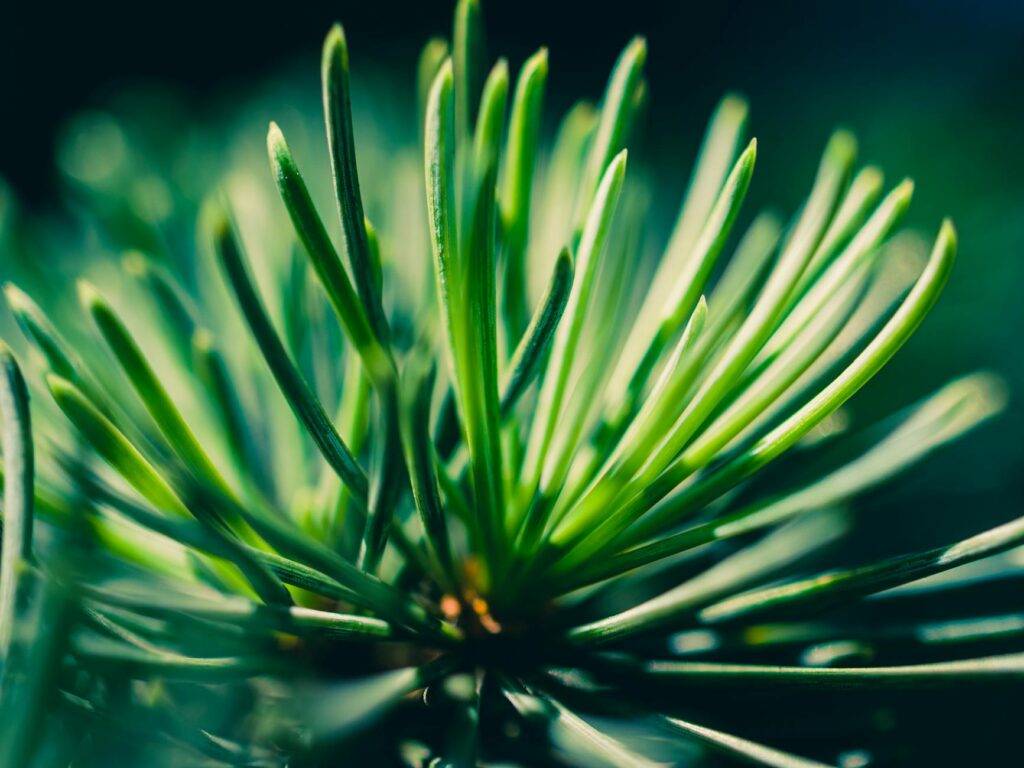
Complete Guide to Pine Needle Oil
Introduction
Pine Needle Oil, derived from the needles of various species of pine trees, has been utilized for centuries in traditional practices and modern wellness routines alike. This essential oil is celebrated for its invigorating aroma and diverse applications, spanning from aromatherapy to household cleaning. In this guide, we will explore the origins, benefits, uses, and safety considerations surrounding Pine Needle Oil, providing a comprehensive overview for those interested in incorporating this oil into their lives.
What Is Pine Needle Oil?
Pine Needle Oil is an essential oil extracted from the needles, twigs, and cones of pine trees, particularly those from the Pinus genus. The extraction process typically involves steam distillation, which captures the volatile aromatic compounds present in the plant material. The resulting oil is known for its fresh, woodsy scent and is often characterized by its pale yellow to clear color.
There are various species of pine trees, each contributing unique aromatic profiles and potential benefits. Commonly used species include Eastern White Pine (Pinus strobus) and Scots Pine (Pinus sylvestris). The oil retains the characteristic aroma of pine forests, evoking a sense of nature and tranquility.
Key Benefits and Properties
Pine Needle Oil is celebrated for its diverse range of properties, including:
1. Antimicrobial Properties: Research suggests that Pine Needle Oil has antibacterial and antifungal characteristics, making it a popular choice in natural cleaning products.
2. Respiratory Support: The oil is often associated with respiratory benefits, as its fresh scent is believed to promote clearer breathing and relieve congestion.
3. Anti-inflammatory Effects: Pine Needle Oil may possess anti-inflammatory properties, which can support overall wellness and comfort.
4. Antioxidant Activity: The oil is rich in antioxidants, which help combat oxidative stress and may contribute to overall health.
5. Mood Enhancer: The uplifting aroma of Pine Needle Oil is known to invigorate the senses and promote a sense of well-being, making it a popular choice in aromatherapy.
Common Uses
Pine Needle Oil is versatile and can be used in various ways:
- Aromatherapy: Used in diffusers or inhalers to create a calming and invigorating atmosphere.
- Massage and Skin Care: Often diluted with carrier oils for topical application, providing a soothing experience for sore muscles and promoting relaxation.
- Household Cleaning: Its antimicrobial properties make it a suitable addition to natural cleaning solutions for disinfecting surfaces.
- Bath Additive: A few drops in a warm bath can create a rejuvenating experience, enhancing relaxation and mood.
- Inhalation: Inhaling the aroma directly from the bottle or through steam inhalation can help with respiratory clarity.
- Dilution: Always dilute essential oils with a carrier oil before applying them to the skin to prevent irritation. A common dilution ratio is 2-3 drops of essential oil per teaspoon of carrier oil.
- Patch Test: Conduct a patch test on a small area of skin to check for any allergic reactions or sensitivities before widespread use.
- Pregnancy and Nursing: Pregnant or nursing individuals should consult a healthcare professional before using Pine Needle Oil.
- Children and Pets: Keep essential oils out of reach of children and consult a veterinarian regarding the use of essential oils around pets.
- Medical Conditions: If you have pre-existing medical conditions or are taking medications, consult a healthcare professional before incorporating Pine Needle Oil into your routine.
- Storage Conditions: Store the oil in a cool, dark place away from direct sunlight and heat sources. A dark glass bottle is ideal for preserving the oil’s properties.
- Shelf Life: When stored correctly, Pine Needle Oil typically has a shelf life of 1 to 3 years. Always check for any changes in color, aroma, or consistency before use.
Aromatherapy Applications
In aromatherapy, Pine Needle Oil is valued for its uplifting and refreshing qualities. Here are several ways to incorporate it into your practice:
1. Diffusion: Add a few drops of Pine Needle Oil to a diffuser to fill your space with its invigorating scent. This can enhance focus, boost energy, and improve the overall atmosphere of a room.
2. Inhalation: For a quick pick-me-up, inhale Pine Needle Oil directly from the bottle or place a few drops on a cotton ball and breathe in deeply.
3. Blending with Other Oils: Pine Needle Oil blends well with other essential oils such as eucalyptus, cedarwood, and lavender. Experiment with different combinations to create a personalized aromatic profile.
4. Meditation and Relaxation: Incorporate Pine Needle Oil into your meditation routine by applying it to pulse points or using it in a diffuser to enhance your mindfulness practice.
Safety Considerations
While Pine Needle Oil is generally safe for use, it is essential to follow specific guidelines to ensure safe application:
Storage and Shelf Life
To maintain the quality and efficacy of Pine Needle Oil, proper storage is crucial:
Frequently Asked Questions
1. Can Pine Needle Oil be used in cooking?
Pine Needle Oil is primarily used for its aromatic properties and is not recommended for culinary use. Always ensure that the oil is suitable for the intended application.
2. Is Pine Needle Oil safe for pets?
While Pine Needle Oil can be used around pets, it is essential to consult a veterinarian before use. Some essential oils can be toxic to animals.
3. How can I tell if my Pine Needle Oil is pure?
To ensure the purity of Pine Needle Oil, purchase from reputable suppliers that provide information on sourcing, extraction methods, and quality testing.
4. Can I use Pine Needle Oil in my bath?
Yes, Pine Needle Oil can be added to bath water. It is advisable to dilute it in a carrier oil before adding it to the bath to prevent skin irritation.
5. Are there any contraindications for using Pine Needle Oil?
Individuals with allergies to pine or resinous plants should exercise caution and avoid using Pine Needle Oil. Always consult a healthcare professional if you have concerns.
Conclusion
Pine Needle Oil is a remarkable essential oil with a rich history of use in both traditional and modern practices. Its refreshing aroma, coupled with its diverse range of benefits, makes it a valuable addition to any wellness routine. By understanding its properties, uses, and safety considerations, individuals can confidently explore the world of Pine Needle Oil and harness its potential in their daily lives. Always approach essential oils with respect and mindfulness, ensuring a safe and enjoyable experience.