
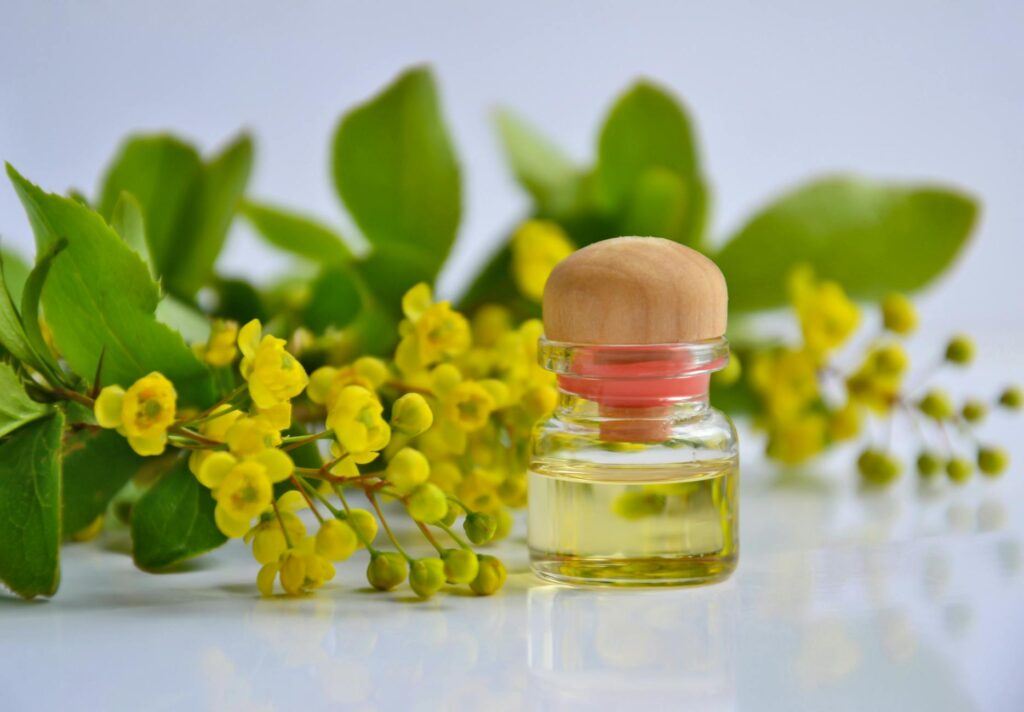
Complete Guide to Pine Nut Oil Part 4
Introduction
Pine nut oil, derived from the seeds of various species of pine trees, has been valued for centuries for its rich flavor and potential health benefits. This guide aims to provide a comprehensive overview of pine nut oil, from its extraction and properties to its various applications in cooking and aromatherapy.
What Is Pine Nut Oil?
Pine nut oil is a carrier oil extracted from the seeds of pine trees, most commonly from the species Pinus pinea. The oil is cold-pressed from the nuts, producing a light, flavorful oil that retains the nutty aroma and taste of the seeds. Rich in essential fatty acids, antioxidants, and vitamins, pine nut oil has found its niche in culinary uses, skincare, and aromatherapy.
The oil is typically a pale yellow to golden color, with a mild, nutty flavor that enhances various dishes. Its unique composition includes high levels of monounsaturated fats, particularly oleic acid, along with polyunsaturated fats, making it a popular choice for healthy cooking.
Key Benefits and Properties
Pine nut oil boasts an impressive nutritional profile, offering several benefits:
1. Rich in Essential Fatty Acids: Pine nut oil is predominantly composed of unsaturated fatty acids, particularly oleic and linoleic acids, which are known to support heart health.
2. Antioxidant Properties: The oil contains various antioxidants, including vitamin E, which can help protect cells from oxidative stress and support overall health.
3. Vitamins and Minerals: In addition to vitamin E, pine nut oil is rich in vitamins A and C, as well as minerals like magnesium and zinc, which contribute to its overall health benefits.
4. Enhancement of Nutrient Absorption: The oil can aid in the absorption of fat-soluble vitamins, making it a valuable addition to meals.
5. Potential Satiety Enhancer: Some studies suggest that pine nut oil may help increase feelings of fullness, which could be beneficial for those looking to manage their weight.
6. Skin Health: Its moisturizing properties make it a popular choice in skincare formulations. Pine nut oil can help hydrate and nourish the skin, promoting a healthy complexion.
Common Uses
Pine nut oil is highly versatile and can be used in various ways:
1. Culinary Uses: Its unique flavor makes it an excellent addition to salad dressings, sauces, and marinades. It can also be drizzled over roasted vegetables or used as a finishing oil for pasta dishes.
2. Baking: Pine nut oil can be used in baking to impart a subtle nutty flavor to cakes, cookies, and breads.
3. Cosmetic Applications: Many skincare products incorporate pine nut oil due to its hydrating and nourishing properties. It can be found in creams, lotions, and hair care products.
4. Massage Oil: Due to its smooth texture, pine nut oil is often employed as a base in massage oils, offering both relaxation and skin benefits.
5. Aromatherapy: Pine nut oil can be used in diffusers or oil burners to create a calming atmosphere, though it is often blended with other essential oils for enhanced effects.
Aromatherapy Applications
In the realm of aromatherapy, pine nut oil can be utilized in various ways to promote well-being:
1. Calming Atmosphere: When diffused, pine nut oil can create a serene environment, making it suitable for relaxation and stress relief.
2. Meditation and Mindfulness: The nutty aroma can enhance meditation practices, helping to ground the mind and promote focus.
3. Blending with Other Oils: Pine nut oil can be blended with essential oils like cedarwood, frankincense, or lavender to enhance relaxation and promote emotional balance.
4. Massage Therapy: When used as a carrier oil in massage, it can facilitate relaxation while nourishing the skin.
5. Inhalation: Inhaling the aroma of pine nut oil, either directly from the bottle or diffused, may help clear the mind and promote feelings of tranquility.
Safety Considerations
While pine nut oil is generally safe for most individuals, there are some considerations to keep in mind:
1. Allergies: Those with nut allergies should exercise caution when using pine nut oil, as it may provoke an allergic reaction.
2. Pregnancy and Nursing: Pregnant or nursing individuals should consult with a healthcare professional before incorporating pine nut oil into their routines.
3. Skin Sensitivity: Although pine nut oil is often well-tolerated, it is advisable to perform a patch test before using it topically to rule out any sensitivity.
4. Quality of Oil: Ensure that you purchase high-quality, pure pine nut oil from reputable sources. Adulterated or low-quality oils may lack the beneficial properties of pure oil.
Storage and Shelf Life
To preserve the quality and extend the shelf life of pine nut oil, consider the following storage tips:
1. Cool, Dark Place: Store pine nut oil in a cool, dark location, away from direct sunlight and heat, which can degrade the oil.
2. Tightly Sealed Container: Keep the oil in a tightly sealed glass or dark-colored bottle to minimize exposure to air and light.
3. Refrigeration: For long-term storage, it is advisable to refrigerate pine nut oil. This can help slow down rancidity and extend its usability.
4. Shelf Life: When stored properly, pine nut oil can last up to a year, though it is best to check for any off odors or changes in appearance before use.
Frequently Asked Questions
1. Can I use pine nut oil for cooking?
Yes, pine nut oil is suitable for cooking and can enhance the flavor of various dishes. However, it is best used in low-heat applications to maintain its nutritional benefits.
2. Is pine nut oil safe for skin application?
Pine nut oil is generally safe for topical use, but it is recommended to perform a patch test to check for any skin sensitivities.
3. Can pine nut oil help with weight management?
Some studies suggest that pine nut oil may help increase feelings of fullness, but it should not be relied upon as a sole method for weight management.
4. How can I incorporate pine nut oil into my skincare routine?
Pine nut oil can be added to homemade skincare products or used as a moisturizer on its own. It can also be blended with other oils for added benefits.
5. Does pine nut oil have any therapeutic properties?
While it is used in aromatherapy for its calming effects, it is essential to remember that essential oils and carrier oils should not replace professional medical advice or treatment.
Conclusion
Pine nut oil is a versatile and nourishing oil that offers a multitude of benefits, from culinary applications to skincare and aromatherapy. Its rich nutrient profile and pleasant flavor make it a valuable addition to many households. As with all oils, understanding its properties and proper usage can enhance your experience and take full advantage of its potential benefits.