
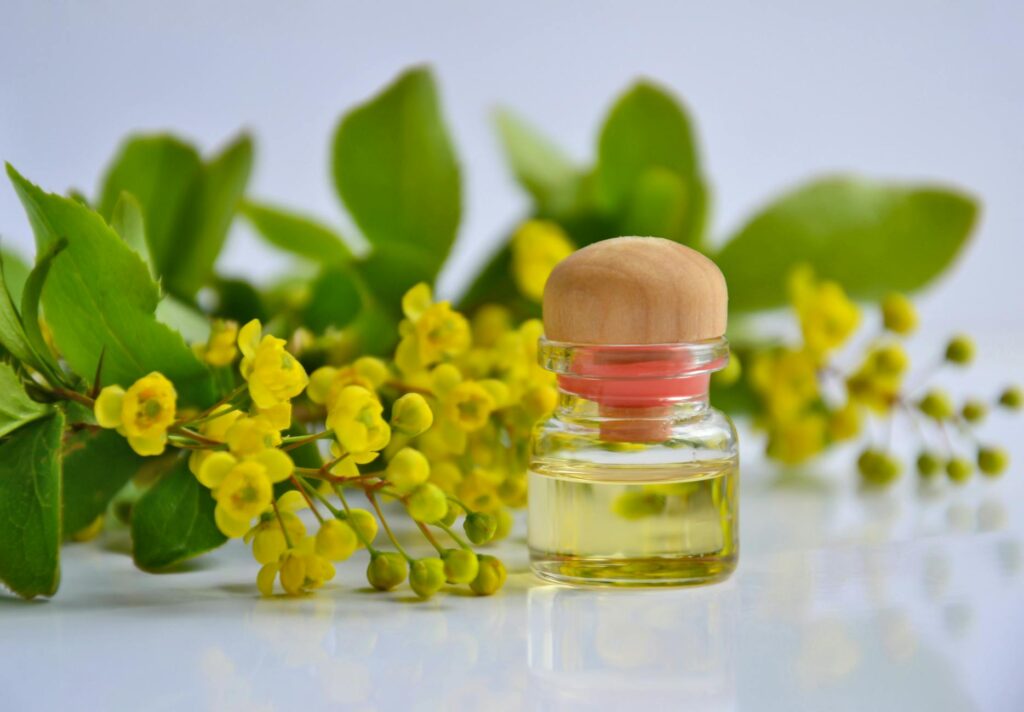
Complete Guide to Pine Nut Oil Part 5
Introduction
Pine nut oil, derived from the seeds of pine trees, has been a staple in culinary and traditional practices across various cultures for centuries. Known for its rich flavor and nutritional benefits, this oil is also celebrated in the world of aromatherapy and natural health. This article serves as a comprehensive guide to pine nut oil, exploring its origins, benefits, applications, and safety considerations.
What Is Pine Nut Oil?
Pine nut oil is extracted from the seeds of pine trees, most commonly from the Siberian pine (Pinus sibirica) and the Korean pine (Pinus koraiensis). The extraction process typically involves cold-pressing the nuts, which preserves the oil’s delicate flavor and nutritional profile. This oil is characterized by its light, nutty flavor and is often used in cooking, salad dressings, and various artisanal dishes.
Rich in fatty acids, particularly oleic acid and linoleic acid, pine nut oil is also a source of vitamins, including Vitamin E, which contributes to its antioxidant properties. The oil’s unique composition makes it suitable for both culinary and therapeutic uses.
Key Benefits and Properties
Pine nut oil boasts a range of benefits that contribute to its popularity in both culinary and holistic practices. Some of the key properties include:
Nutritional Value
Pine nut oil is high in essential fatty acids, which are vital for maintaining overall health. These fatty acids aid in cardiovascular health, support brain function, and contribute to skin health.
Antioxidant Properties
The presence of Vitamin E and other antioxidants in pine nut oil helps combat oxidative stress in the body, potentially reducing inflammation and promoting overall wellness.
Skin Nourishment
The oil is often used in skincare formulations due to its hydrating and soothing properties. It is believed to penetrate the skin effectively, providing moisture and helping to improve skin texture.
Energy Boost
Consuming pine nut oil may provide a natural energy boost, making it a popular choice among athletes and those seeking a healthy, sustained energy source.
Common Uses
Pine nut oil is versatile and can be used in various applications, including:
Culinary Uses
- Cooking and Sautéing: Its high smoke point makes it suitable for cooking, although it is often recommended to use it as a finishing oil to preserve its delicate flavor.
- Salad Dressings: Pine nut oil can be combined with vinegar and herbs to create flavorful dressings.
- Dips and Spreads: The oil can be blended with other ingredients to create rich dips or spreads, enhancing their flavor profiles.
- Moisturizers: Pine nut oil can be incorporated into lotions and creams for its hydrating properties.
- Massage Oil: Its smooth texture makes it an excellent choice for massage oils, either on its own or blended with essential oils.
- Temperature: Keep the oil in a cool environment, ideally below 70°F (21°C).
- Light: Store in a dark glass bottle to protect it from light exposure, which can degrade the oil.
- Air: Ensure the bottle is tightly sealed to prevent oxidation.
Skincare
Hair Care
Pine nut oil can be used as a natural hair conditioner, helping to nourish and hydrate hair while improving its overall appearance.
Aromatherapy Applications
In aromatherapy, pine nut oil is used to promote emotional well-being and relaxation. While not as common as other essential oils, its unique aroma can create a calming atmosphere. Here are some ways to incorporate it into aromatherapy practices:
Diffusion
Pine nut oil can be added to a diffuser, where its warm, nutty scent can help create a serene environment. It may be blended with other essential oils like lavender or cedarwood to enhance its calming effects.
Inhalation
A few drops of pine nut oil can be added to a bowl of hot water for inhalation. This method can be soothing and uplifting, promoting relaxation during stressful times.
Massage
When diluted with a carrier oil, pine nut oil can be used in massage therapy. Its rich texture and pleasant aroma can enhance the overall experience, providing a sense of comfort and tranquility.
Safety Considerations
While pine nut oil is generally considered safe for culinary and topical use, there are some important safety considerations to keep in mind:
Allergies
Individuals with nut allergies should exercise caution. Although pine nuts are technically seeds, cross-reactivity with nut allergies may occur. It is advisable to conduct a patch test before applying the oil topically.
Dilution
When using pine nut oil in aromatherapy or massage, it should be diluted with a carrier oil to prevent skin irritation. A common ratio is one part essential oil to three parts carrier oil.
Pregnancy and Lactation
Pregnant or breastfeeding individuals should consult with a healthcare professional before using pine nut oil in any form, as safety during these periods has not been extensively studied.
Storage
To maintain its quality, pine nut oil should be stored in a cool, dark place away from direct sunlight.
Storage and Shelf Life
Proper storage is crucial to preserving the quality and potency of pine nut oil:
Storage Conditions
Shelf Life
When stored correctly, pine nut oil typically has a shelf life of about 6 to 12 months. However, it is important to check for any changes in smell or appearance, as rancidity can occur. Discard the oil if it develops an off-putting odor or flavor.
Frequently Asked Questions
Is pine nut oil suitable for cooking at high temperatures?
Pine nut oil has a relatively high smoke point, making it suitable for sautéing and light cooking. However, it is often recommended to use it as a finishing oil to preserve its delicate flavor and nutritional properties.
Can pine nut oil be used on sensitive skin?
Pine nut oil is generally well-tolerated; however, individuals with sensitive skin or nut allergies should perform a patch test before using it topically.
How can I incorporate pine nut oil into my diet?
Pine nut oil can be drizzled over salads, used in dips, or added to cooked dishes as a finishing touch. It can also be blended into smoothies for added nutrition.
What is the difference between pine nut oil and pine essential oil?
Pine nut oil is extracted from the seeds of pine trees and is primarily used for culinary and cosmetic purposes. In contrast, pine essential oil is derived from the needles and branches of the pine tree and is primarily used in aromatherapy for its invigorating and refreshing scent.
Is pine nut oil safe for children?
While pine nut oil is generally safe for most individuals, it is advisable to consult with a healthcare professional before introducing any new oils into a child’s diet or skincare routine.
Conclusion
Pine nut oil is a versatile and beneficial oil that can enhance culinary experiences, promote skin health, and contribute to holistic well-being. Its unique properties and applications make it a valuable addition to both kitchens and wellness routines. By understanding its benefits and proper usage, individuals can fully appreciate the rich offerings of this remarkable oil.