
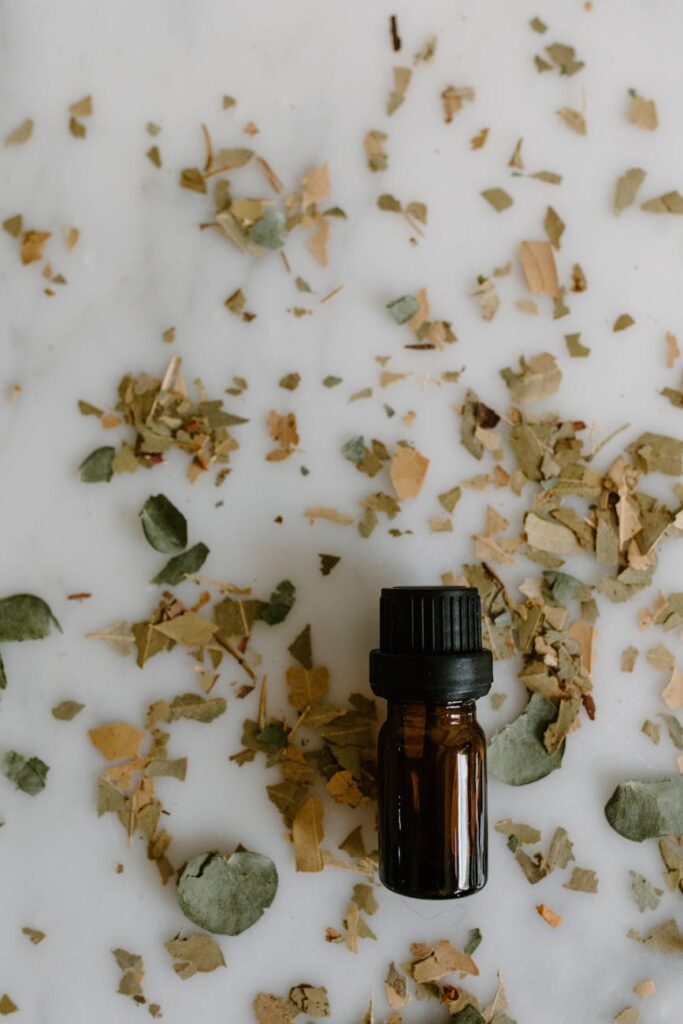
Complete Guide to Pistachio Oil Part 5
Introduction
Pistachio oil, derived from the nuts of the Pistacia vera tree, has gained recognition not only for its culinary uses but also for its diverse applications in aromatherapy and skincare. This guide aims to provide a comprehensive overview of pistachio oil, exploring its properties, benefits, uses, and safety considerations. With this knowledge, readers can make informed choices about incorporating pistachio oil into their daily routines.
What Is Pistachio Oil?
Pistachio oil is a cold-pressed oil obtained from the seeds of the pistachio tree, which is native to Central Asia and the Mediterranean region. The extraction process involves pressing the seeds to release their natural oils without the use of heat, thus preserving the oil’s flavor, aroma, and nutritional qualities. The oil has a rich, nutty flavor and a distinct greenish hue, making it a popular choice in cooking and food preparation.
In addition to its culinary uses, pistachio oil is increasingly recognized in the fields of skincare and aromatherapy. Its high content of fatty acids, vitamins, and antioxidants contribute to its nourishing properties, making it a valuable addition to various wellness practices.
Key Benefits and Properties
Pistachio oil boasts a range of beneficial properties, primarily due to its rich composition:
1. Nutritional Profile: The oil is high in unsaturated fatty acids, particularly monounsaturated fats, which are known to support heart health. It also contains essential fatty acids such as omega-6 and omega-9.
2. Antioxidants: Rich in vitamin E and other antioxidants, pistachio oil helps combat oxidative stress in the body, promoting skin health and overall wellness.
3. Skin Nourishment: The oil is known for its moisturizing properties, making it an excellent choice for dry or sensitive skin. It can enhance skin elasticity and provide a protective barrier against environmental damage.
4. Anti-inflammatory Properties: Some studies suggest that the components in pistachio oil may possess anti-inflammatory properties, which can help soothe irritated skin and reduce redness.
5. Rich Flavor Profile: In culinary applications, pistachio oil adds a unique flavor to dishes, enhancing the taste of salads, dressings, marinades, and even desserts.
Common Uses
Pistachio oil serves various purposes across different domains:
Culinary Uses
- Salad Dressings: Its nutty flavor makes it an excellent base for salad dressings, providing a gourmet touch to simple salads.
- Cooking Oil: While it can be used for sautéing and frying, it is best suited for low to medium heat applications to retain its flavor and nutritional properties.
- Flavoring Agent: A few drops can enhance the taste of sauces, dips, and baked goods, providing a unique twist to traditional recipes.
- Moisturizer: Due to its emollient properties, pistachio oil can be applied directly to the skin as a moisturizer or incorporated into creams and lotions.
- Carrier Oil: Often used as a carrier oil in aromatherapy, it can dilute essential oils for safe topical application.
- Hair Conditioner: Its nourishing properties can help improve hair texture and shine, making it a popular ingredient in hair care products.
- Allergies: Individuals with nut allergies should exercise caution when using pistachio oil, as it may trigger allergic reactions. Always perform a patch test before applying it to the skin.
- Pregnancy and Nursing: Pregnant or nursing individuals should consult with a healthcare provider before using pistachio oil, particularly in substantial amounts or in concentrated forms.
- Dilution: When using pistachio oil in aromatherapy, it is advisable to dilute it with a carrier oil, especially for topical applications, to minimize the risk of skin irritation.
- Quality: Always choose high-quality, cold-pressed pistachio oil to ensure the best flavor and nutritional benefits. Look for products that are organic and free from additives.
- Cool and Dark Place: Store pistachio oil in a cool, dark place, away from direct sunlight and heat sources. This helps prevent oxidation and rancidity.
- Sealed Container: Keep the oil in a tightly sealed bottle to minimize exposure to air. Glass containers are preferable over plastic, as they are less likely to interact with the oil.
- Refrigeration: Although not necessary, refrigeration can extend the shelf life of pistachio oil, especially if it will be stored for an extended period.
- Shelf Life: Generally, pistachio oil has a shelf life of about 12 to 18 months when stored properly. However, always check for any off smells or changes in color before use.
Skincare
Haircare
Aromatherapy Applications
In aromatherapy, pistachio oil is valued for its calming and grounding properties. Its nutty, warm aroma is believed to promote relaxation and emotional balance. Here are some ways to incorporate pistachio oil into your aromatherapy practices:
1. Diffusion: Add a few drops of pistachio oil to a diffuser to create a soothing atmosphere. Its scent can help reduce stress and anxiety, promoting a sense of well-being.
2. Massage Oil: When combined with essential oils like lavender or chamomile, pistachio oil can be used as a massage oil to enhance relaxation and relieve tension.
3. Bath Oil: Adding pistachio oil to bath water can transform a regular bath into a luxurious experience, providing both aromatic and moisturizing benefits.
4. Inhalation: Inhale the scent directly from the bottle or use a cotton ball soaked in pistachio oil for an uplifting aromatherapy experience.
Safety Considerations
While pistachio oil is generally safe for most individuals, there are some precautions to keep in mind:
Storage and Shelf Life
Proper storage is essential to maintain the quality of pistachio oil:
Frequently Asked Questions
1. Can I use pistachio oil for cooking?
Yes, pistachio oil is suitable for cooking, especially for low to medium heat applications. It adds a unique flavor to dishes and can be used in salad dressings, marinades, and baked goods.
2. Is pistachio oil safe for all skin types?
Pistachio oil is generally safe for most skin types, but individuals with nut allergies should avoid it. Always conduct a patch test before full application.
3. How do I incorporate pistachio oil into my skincare routine?
Pistachio oil can be used as a moisturizer, added to creams and lotions, or used as a carrier oil for essential oils in aromatherapy.
4. How can I use pistachio oil in aromatherapy?
Pistachio oil can be used in diffusers, as a massage oil, added to baths, or inhaled directly from the bottle for relaxation and emotional balance.
5. What should I look for when purchasing pistachio oil?
Choose high-quality, cold-pressed pistachio oil that is organic and free from additives. Look for products in dark glass containers to protect against light exposure.
Conclusion
Pistachio oil is a versatile oil with a wide range of applications in culinary, skincare, and aromatherapy practices. Its rich nutritional profile and unique flavor make it a valuable addition to any kitchen, while its nourishing properties contribute to overall wellness. By understanding its benefits, uses, and safety considerations, individuals can effectively incorporate pistachio oil into their daily lives, enhancing both their culinary experiences and wellness routines.