
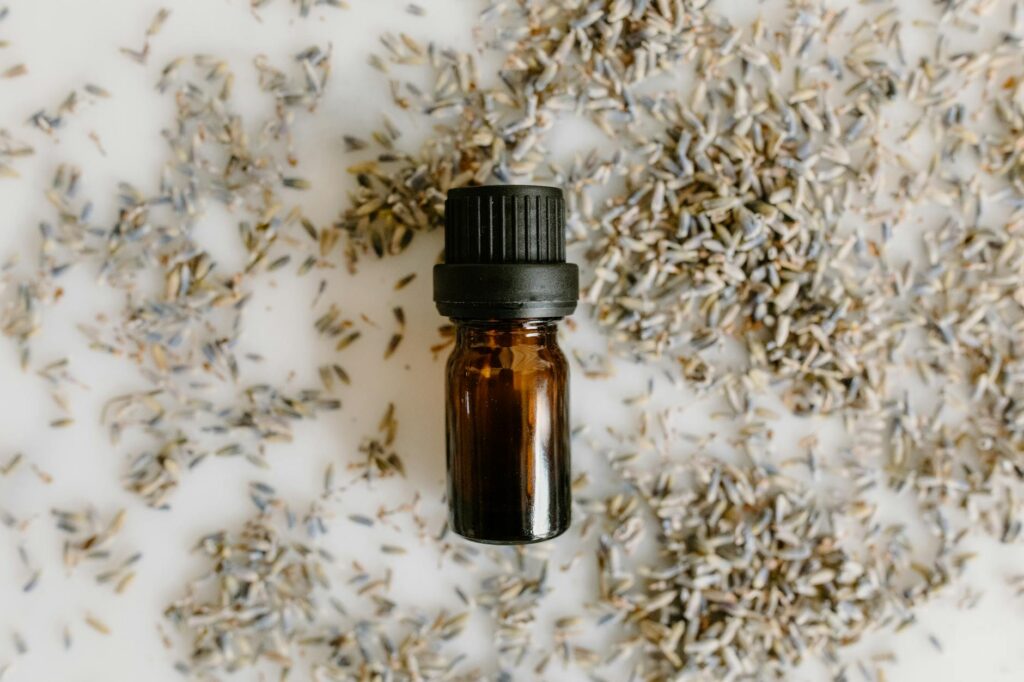
Complete Guide to Pomegranate Seed Oil Part 5
Introduction
Pomegranate seed oil has gained considerable attention in the world of natural health, beauty, and aromatherapy. Extracted from the seeds of the pomegranate fruit (Punica granatum), this oil is lauded for its rich composition of fatty acids, antioxidants, and vitamins. In this guide, we will explore the multifaceted aspects of pomegranate seed oil, including its properties, benefits, common uses, and applications in aromatherapy.
What Is Pomegranate Seed Oil?
Pomegranate seed oil is derived from the small, ruby-red seeds of the pomegranate fruit. The oil is extracted through cold-pressing, a method that preserves the delicate nutrients and properties of the seeds. This oil is characterized by its light, slightly nutty aroma and a vibrant amber color, which is indicative of its high content of bioactive compounds.
The primary components of pomegranate seed oil include:
- Punicoic Acid: A unique omega-5 fatty acid that is found almost exclusively in pomegranate seeds.
- Linoleic Acid: An essential fatty acid that contributes to skin health.
- Antioxidants: Including vitamin E and polyphenols, which help combat oxidative stress.
- Facial Oil: Due to its nourishing properties, pomegranate seed oil is often used as a facial oil or in skincare formulations to hydrate and rejuvenate the skin.
- Serums and Creams: Many skincare brands incorporate pomegranate seed oil into their anti-aging serums and moisturizers.
- Sun Protection: While it should not replace sunscreen, some studies indicate that pomegranate seed oil may offer mild protection against UV radiation.
- Conditioner: Pomegranate seed oil is an excellent addition to hair conditioners and masks, as it helps nourish the scalp and promote healthy hair growth.
- Scalp Treatment: Its anti-inflammatory properties can also be beneficial for soothing an irritated scalp.
- Salad Dressings: Pomegranate seed oil can be used as a flavorful and nutritious addition to salad dressings and marinades.
- Finishing Oil: Its unique flavor makes it suitable as a finishing oil for various dishes.
- Lavender: Enhances calming effects.
- Cedarwood: Adds grounding qualities.
- Rose: Contributes to emotional balance.
- Dark Glass Containers: Store the oil in a dark glass container to protect it from light exposure, which can degrade its quality.
- Cool Environment: Keep the oil in a cool, dark place, such as a pantry or refrigerator, to extend its shelf life.
Key Benefits and Properties
Antioxidant Effects
One of the most notable benefits of pomegranate seed oil is its potent antioxidant properties. The presence of polyphenols and vitamin E help neutralize free radicals, which can contribute to premature aging and various skin conditions.
Anti-Inflammatory Properties
Pomegranate seed oil is known to possess anti-inflammatory properties, making it beneficial for soothing irritated skin and reducing redness. This can be particularly useful for individuals with sensitive skin or conditions such as eczema.
Moisturizing and Nourishing
Rich in fatty acids, pomegranate seed oil acts as an excellent moisturizer. It helps to maintain skin hydration, improve elasticity, and restore the skin’s natural barrier, making it suitable for both dry and oily skin types.
Hormonal Balance
Some studies suggest that pomegranate seed oil may play a role in hormonal balance due to its phytoestrogen content. This property can be particularly beneficial for women experiencing hormonal fluctuations.
Common Uses
Pomegranate seed oil has a variety of applications across different fields, including skincare, haircare, and dietary supplementation. Here are some of the most common uses:
Skincare
Haircare
Culinary Uses
Aromatherapy Applications
Aromatherapy utilizes essential oils and plant extracts for therapeutic purposes, and pomegranate seed oil can play a role in this practice. Although it is not an essential oil in the traditional sense, its aromatic properties can enhance various blends.
Blending with Other Oils
Pomegranate seed oil pairs well with several essential oils, such as:
Diffusion
While pomegranate seed oil itself may not be commonly diffused due to its heavier consistency, it can be diluted with a carrier oil and used in massage blends. This can enhance the overall experience, combining the benefits of pomegranate seed oil with the therapeutic properties of other essential oils.
Safety Considerations
While pomegranate seed oil is generally considered safe for topical use, it is essential to adhere to certain guidelines:
Patch Test
Before using pomegranate seed oil on larger areas of the skin, performing a patch test is advisable. Apply a small amount to a discreet area and observe for any allergic reactions or sensitivities.
Dilution
When incorporating pomegranate seed oil into skincare or aromatherapy applications, consider diluting it with a carrier oil, especially for sensitive skin types. This can help minimize any potential irritation.
Consultation
Although pomegranate seed oil is non-toxic, individuals with specific health conditions or those who are pregnant should consult a healthcare provider before using it extensively.
Storage and Shelf Life
Proper storage is crucial to maintaining the quality and efficacy of pomegranate seed oil. Here are some recommendations:
Storage Conditions
Shelf Life
Pomegranate seed oil typically has a shelf life of 6 to 12 months when stored properly. Always check for changes in smell, color, or texture before use, as these can indicate that the oil has gone rancid.
Frequently Asked Questions
1. Is pomegranate seed oil safe for all skin types?
Pomegranate seed oil is generally safe for most skin types, including sensitive skin. However, performing a patch test is recommended to ensure no adverse reactions occur.
2. Can pomegranate seed oil be used during pregnancy?
While pomegranate seed oil is considered safe for topical use, pregnant individuals should consult a healthcare provider before using it extensively or incorporating it into their routine.
3. How can I use pomegranate seed oil in my skincare routine?
Pomegranate seed oil can be used as a facial oil, added to creams and serums, or combined with other carrier oils for massage. It is best applied to clean, damp skin for optimal absorption.
4. Does pomegranate seed oil have any scent?
Pomegranate seed oil has a light, slightly nutty aroma, which may vary based on the extraction method and the quality of the oil.
5. Can I ingest pomegranate seed oil?
Pomegranate seed oil can be consumed in moderation as a flavoring or supplement. However, it is essential to ensure that the oil is of food-grade quality and consult a healthcare provider if you have any concerns.
Conclusion
Pomegranate seed oil is a remarkable natural oil with a wide range of benefits and applications. From its rich nutritional composition to its versatility in skincare and aromatherapy, it offers various avenues for enhancing overall well-being. As with any natural product, understanding its properties and best practices for use can help you unlock its full potential. Whether you’re looking to nourish your skin, improve your hair health, or explore its culinary uses, pomegranate seed oil is a valuable addition to your holistic toolkit.