
Complete Guide to Pomegranate Seed Oil Part 6
Introduction
Pomegranate seed oil has garnered attention in recent years for its multifaceted benefits and applications in both skincare and aromatherapy. Extracted from the seeds of the pomegranate fruit (Punica granatum), this oil is rich in nutrients and has a long history of use in various cultures. This guide aims to provide a comprehensive understanding of pomegranate seed oil, exploring its properties, benefits, and diverse applications.
What Is Pomegranate Seed Oil?
Pomegranate seed oil is a cold-pressed oil derived from the seeds of the pomegranate fruit. The pomegranate itself is native to the Mediterranean region and has been cultivated for thousands of years for its edible fruit and medicinal properties. The oil is known for its deep, rich color and unique composition, containing high levels of punicic acid, a type of conjugated fatty acid, along with antioxidants, vitamins, and essential fatty acids.
The extraction process typically involves cold-pressing the seeds to preserve the oil’s delicate compounds. This method ensures that the oil retains its nutritional value and therapeutic properties, making it a valuable addition to health and beauty regimens.
Key Benefits and Properties
Pomegranate seed oil boasts a variety of beneficial properties:
Antioxidant-Rich
Pomegranate seed oil is rich in antioxidants, which help combat oxidative stress and protect the skin from free radical damage. Antioxidants like vitamin E and polyphenols are known to promote skin health and rejuvenation.
Anti-Inflammatory
The oil contains anti-inflammatory compounds that can help soothe irritated skin and reduce redness. This property makes it particularly beneficial for those with sensitive or reactive skin types.
Moisturizing
High in essential fatty acids, pomegranate seed oil acts as an excellent moisturizer. It helps to hydrate the skin and maintain its natural barrier, making it suitable for dry and mature skin.
Hormonal Balance
Punicic acid is believed to support hormonal balance, which may contribute to overall well-being. While research is ongoing, this property is of particular interest in relation to women’s health.
Skin Regeneration
The oil is often used for its skin-regenerative properties. It may help promote collagen production, improve skin elasticity, and reduce the appearance of fine lines and wrinkles.
Common Uses
Pomegranate seed oil is versatile and can be used in various ways:
Skincare
The oil is frequently incorporated into skincare products, including serums, moisturizers, and face oils. Its hydrating and nourishing properties make it ideal for promoting a healthy complexion.
Hair Care
Pomegranate seed oil can be used to nourish the scalp and strengthen hair. It helps to moisturize dry hair, reduce frizz, and promote shine.
Culinary Uses
While less common, pomegranate seed oil can also be used in culinary applications. It may be drizzled over salads or used as a finishing oil in various dishes for its rich flavor and nutritional benefits.
Massage Oil
Due to its moisturizing properties, pomegranate seed oil can be blended with other carrier oils for use in massage. Its soothing nature makes it an excellent choice for relaxation and stress relief.
Aromatherapy Applications
In the realm of aromatherapy, pomegranate seed oil is valued for its unique scent and therapeutic properties. While it is not typically used as a primary essential oil, it can be blended with other oils to enhance formulations.
Blending
Pomegranate seed oil can be combined with other essential oils such as lavender, bergamot, or frankincense to create a synergistic blend. These combinations can enhance emotional well-being and promote relaxation.
Diffusion
While pomegranate seed oil is not commonly diffused on its own, it can be a delightful addition to blends. Its warm, fruity aroma can create an uplifting atmosphere, making it suitable for use in diffusers during meditation or relaxation practices.
Skin and Body Care
In aromatherapy skincare, pomegranate seed oil can be added to creams, balms, or body oils for its skin-nourishing properties. When applied topically, it may enhance the overall scent profile while providing additional benefits to the skin.
Safety Considerations
While pomegranate seed oil is generally considered safe for topical use, it is essential to follow certain precautions to ensure a positive experience:
Patch Test
As with any new oil, it is advisable to perform a patch test before using pomegranate seed oil on larger areas of skin. Apply a small amount to a discreet area and wait 24 hours to check for any adverse reactions.
Dilution
Pomegranate seed oil is often used as a carrier oil, and it is recommended to dilute it with other carrier oils like jojoba or sweet almond oil when applying it directly to the skin. This practice can minimize any potential irritation.
Consultation
Individuals with specific skin conditions or allergies should consult with a qualified professional before incorporating pomegranate seed oil into their routines.
Pregnancy and Nursing
Pregnant or nursing individuals should exercise caution and consult with their healthcare providers before using any new essential oils or oils, including pomegranate seed oil.
Storage and Shelf Life
Proper storage of pomegranate seed oil is crucial to maintain its quality and extend its shelf life. Here are some tips for optimal storage:
Container
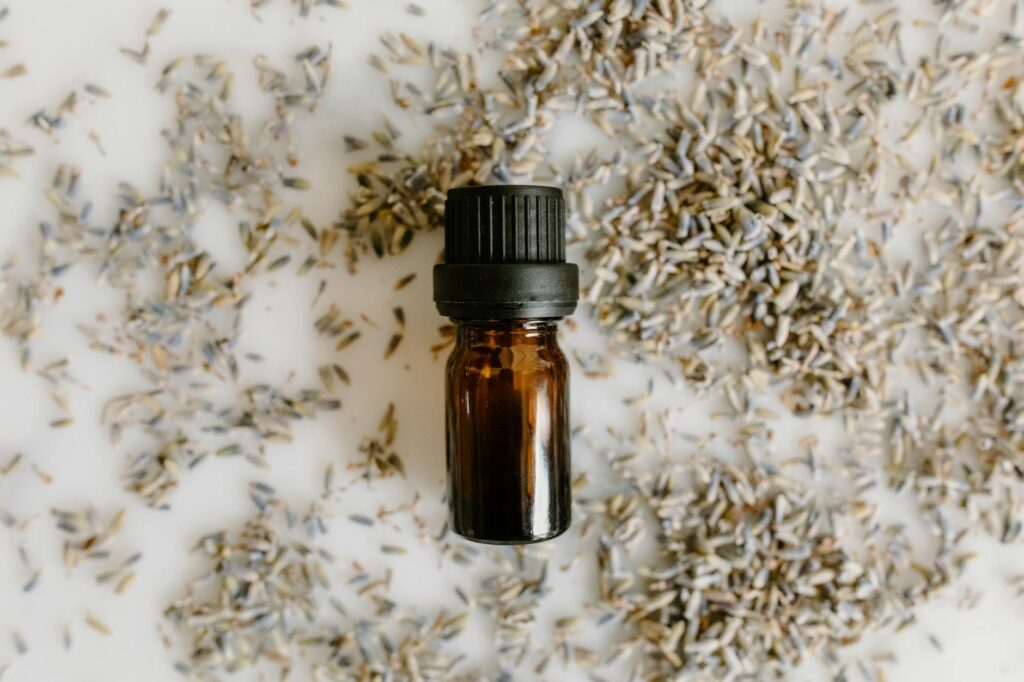
Pomegranate seed oil should be stored in a dark glass bottle to protect it from light exposure, which can degrade its quality. Ensure that the bottle is tightly sealed to prevent oxidation.
Temperature
Keep the oil in a cool, dark place, away from direct sunlight and heat sources. A temperature range of 60-70°F (15-21°C) is ideal for maintaining its integrity.
Shelf Life
When stored correctly, pomegranate seed oil typically has a shelf life of 6 to 12 months. Always check for any changes in smell, color, or consistency before use, as these may indicate spoilage.
Frequently Asked Questions
1. Is pomegranate seed oil suitable for all skin types?
Yes, pomegranate seed oil is generally suitable for all skin types, including sensitive and oily skin. Its moisturizing and anti-inflammatory properties make it beneficial for various skin concerns.
2. Can pomegranate seed oil be used for acne-prone skin?
While pomegranate seed oil is non-comedogenic, meaning it is unlikely to clog pores, it is advisable to perform a patch test first. Its anti-inflammatory properties may help soothe acne-prone skin.
3. How can I incorporate pomegranate seed oil into my skincare routine?
Pomegranate seed oil can be added to your existing skincare products or used as a standalone moisturizer. Consider mixing it with your favorite serum or cream for enhanced benefits.
4. Where can I purchase high-quality pomegranate seed oil?
High-quality pomegranate seed oil can be found at health food stores, specialty shops, or online retailers. Look for oils that are cold-pressed and packaged in dark glass bottles to ensure freshness.
5. Is pomegranate seed oil safe for ingestion?
Pomegranate seed oil is generally safe for topical use, but it is essential to consult a healthcare professional before considering ingestion, especially if you have underlying health conditions.
Conclusion
Pomegranate seed oil is a remarkable oil with a rich history and diverse applications. Its unique composition offers numerous benefits, making it a valuable addition to both skincare and aromatherapy practices. By understanding its properties, uses, and safety considerations, individuals can incorporate this oil into their daily routines to enhance their overall well-being. As with any natural product, it is essential to approach its use mindfully and with respect for its potent qualities.