
Complete Guide to Pomegranate Seed Oil Part 7
Introduction
Pomegranate seed oil, derived from the seeds of the pomegranate fruit (Punica granatum), has gained significant attention in the realms of skincare, nutrition, and aromatherapy. Recognized for its rich composition of nutrients and bioactive compounds, pomegranate seed oil has been traditionally used in various cultures for its potential health benefits. This guide aims to provide a comprehensive overview of pomegranate seed oil, examining its properties, applications, safety considerations, and more.
What Is Pomegranate Seed Oil?
Pomegranate seed oil is extracted through a cold-pressing process from the seeds of the pomegranate fruit. This oil is distinct from pomegranate oil, which may be derived from the entire fruit or its juice. The seed oil contains high concentrations of punicic acid, an omega-5 fatty acid that contributes to its unique properties. Its rich, amber color and slightly nutty aroma make it a prized ingredient in cosmetic formulations and aromatherapy.
Key Benefits and Properties
Pomegranate seed oil is known for its multifaceted benefits, owing to its complex chemical composition. Below are some key benefits and properties:
1. Rich in Antioxidants
Pomegranate seed oil is a potent source of antioxidants, including polyphenols and flavonoids. These compounds help neutralize free radicals, which can contribute to oxidative stress and accelerate the aging process.
2. Anti-Inflammatory Properties
The oil contains anti-inflammatory compounds that may help to soothe irritated skin and reduce redness. This makes it suitable for individuals with sensitive skin conditions.
3. Moisturizing and Nourishing
Pomegranate seed oil is rich in fatty acids, particularly punicic acid. These fatty acids help to strengthen the skin barrier, retaining moisture and providing nourishment to dry or mature skin.
4. Skin Regeneration
With its ability to promote cell regeneration, pomegranate seed oil may support skin healing and repair. This property is particularly beneficial for scars and blemishes.
5. Hormonal Balance
Some studies suggest that pomegranate seed oil may support hormonal balance, particularly in women, due to its phytoestrogen content.
Common Uses
Pomegranate seed oil is versatile and can be used in various applications, including:
1. Skincare
Due to its moisturizing and anti-aging properties, pomegranate seed oil is often incorporated into facial serums, creams, and lotions. It may also be used as a carrier oil for essential oils.
2. Hair Care
This oil can be used as a hair treatment to help nourish and hydrate dry, damaged hair. It may also promote scalp health and improve hair texture.
3. Culinary Uses
While less common, pomegranate seed oil can be used in cooking as a flavorful addition to salads and dressings, offering a nutty taste and nutritional benefits.
4. Aromatherapy
In aromatherapy, pomegranate seed oil may be blended with essential oils to create soothing and uplifting formulations.
Aromatherapy Applications
Pomegranate seed oil’s unique properties make it a valuable addition to aromatherapy practices. Its subtle scent can be used in various ways:
1. Diffusion
When blended with other essential oils, pomegranate seed oil can be added to a diffuser. Its aroma is thought to promote relaxation and emotional balance.
2. Topical Application
Diluting pomegranate seed oil with a carrier oil and applying it to specific areas can help soothe the skin and provide a sense of grounding.
3. Massage
Incorporating pomegranate seed oil into massage blends can enhance the nourishing properties of the massage while providing a delightful fragrance.
4. Bath Soaks
Adding pomegranate seed oil to bathwater can create a luxurious experience, promoting relaxation and skin hydration.
Safety Considerations
While pomegranate seed oil is generally considered safe for topical use and aromatherapy, certain precautions should be taken:
1. Patch Test
It is advisable to conduct a patch test before using pomegranate seed oil on a larger skin area, especially for individuals with sensitive skin. Apply a small amount of diluted oil to an inconspicuous area and wait 24 hours to check for any adverse reactions.
2. Dilution
For topical applications, pomegranate seed oil should be diluted with a carrier oil to avoid irritation. A common dilution ratio is 2-3 drops of essential oil per teaspoon of carrier oil.
3. Avoid Eye Contact
Care should be taken to avoid contact with the eyes. If contact occurs, rinse thoroughly with water and seek medical advice if irritation persists.
4. Pregnancy and Nursing
While pomegranate seed oil is generally regarded as safe, pregnant or nursing individuals should consult a healthcare professional before use.
Storage and Shelf Life
To maintain the quality of pomegranate seed oil, proper storage is essential:
1. Storage Conditions
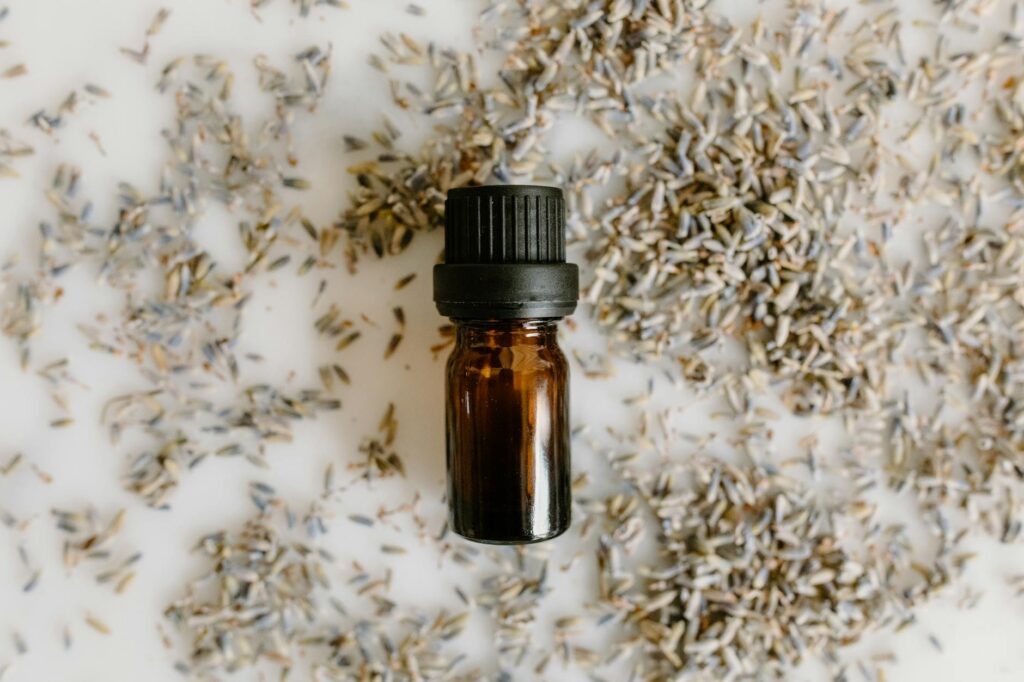
Pomegranate seed oil should be stored in a cool, dark place away from direct sunlight and heat. A dark glass bottle is ideal for preserving its integrity.
2. Shelf Life
When stored correctly, pomegranate seed oil typically has a shelf life of 6 to 12 months. It is advisable to check for any changes in smell, color, or consistency before use.
Frequently Asked Questions
1. Can pomegranate seed oil be ingested?
While pomegranate seed oil can be used in food, it is essential to ensure it is food-grade and consult a healthcare professional if there are any concerns about ingestion.
2. Is pomegranate seed oil suitable for all skin types?
Pomegranate seed oil is generally suitable for most skin types, including sensitive and dry skin. However, individuals should perform a patch test to rule out any adverse reactions.
3. Can pomegranate seed oil help with acne?
Pomegranate seed oil’s anti-inflammatory properties may help soothe irritated skin, but its effectiveness can vary from person to person. It is best to consult a skincare specialist for personalized advice.
4. How can I incorporate pomegranate seed oil into my skincare routine?
Pomegranate seed oil can be added to creams, serums, or used as a standalone facial oil. It is most effective when applied to clean skin, ideally at night.
5. Can I mix pomegranate seed oil with other essential oils?
Yes, pomegranate seed oil can be blended with other essential oils to create personalized formulations for skincare or aromatherapy. Ensure that all oils are compatible for safe use.
Conclusion
Pomegranate seed oil is a remarkable ingredient with a plethora of benefits and applications. Its rich composition makes it a valuable addition to skincare, hair care, and aromatherapy practices. By understanding its properties, uses, and safety considerations, individuals can harness the power of pomegranate seed oil for enhanced wellness and beauty. As with any natural product, a mindful approach to usage will ensure the best results while minimizing potential risks.