
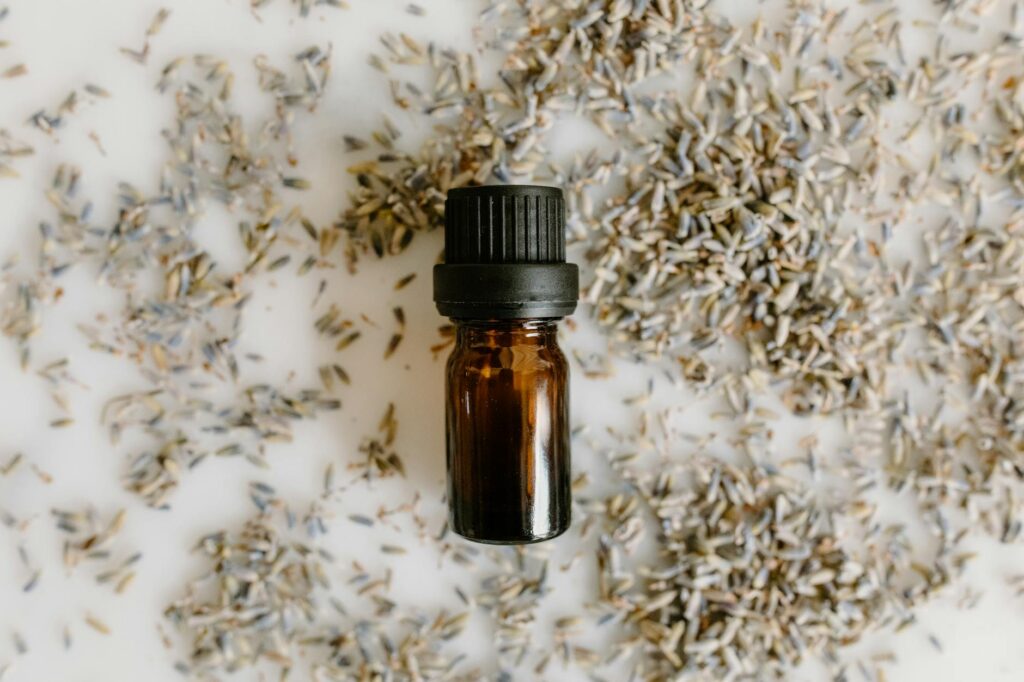
Complete Guide to Pomegranate Seed Oil Part 7
Introduction
Pomegranate seed oil has gained significant attention in the realms of skincare, aromatherapy, and holistic wellness. Extracted from the seeds of the pomegranate fruit (Punica granatum), this oil is celebrated for its rich nutrient profile and versatile applications. In this comprehensive guide, we will explore the properties, benefits, uses, and safety considerations associated with pomegranate seed oil.
What Is Pomegranate Seed Oil?
Pomegranate seed oil is derived from the seeds of the pomegranate fruit, which is native to the Mediterranean region but is now grown in various parts of the world. The oil is typically extracted through cold pressing, which helps retain the oil’s natural properties and nutrients. It has a deep reddish-orange hue and a characteristic nutty aroma.
Pomegranate seed oil is rich in essential fatty acids, including punicic acid (an omega-5 fatty acid), and is also a source of antioxidants, vitamins, and minerals. These components contribute to the oil’s beneficial properties, making it a popular choice in cosmetic formulations and aromatherapy.
Key Benefits and Properties
Pomegranate seed oil boasts a variety of beneficial properties that make it suitable for various applications:
1. Nutrient-Rich Profile
Pomegranate seed oil is abundant in essential fatty acids, particularly punicic acid, which has been studied for its potential anti-inflammatory effects. Additionally, it contains vitamins C and E, both of which are known for their antioxidant properties.
2. Antioxidant Properties
The oil is rich in antioxidants, such as polyphenols and flavonoids, which help neutralize free radicals in the body. This can contribute to reducing oxidative stress and supporting overall skin health.
3. Skin Hydration
Due to its high content of essential fatty acids, pomegranate seed oil is known for its ability to hydrate and moisturize the skin. It can help maintain the skin’s lipid barrier, promoting a smoother and more supple appearance.
4. Anti-Inflammatory Effects
Punicic acid has been studied for its potential anti-inflammatory properties. This makes pomegranate seed oil a valuable addition to formulations aimed at soothing irritated or inflamed skin.
5. Anti-Aging Benefits
The antioxidant content in pomegranate seed oil may help combat the signs of aging. By promoting collagen production and reducing the appearance of fine lines and wrinkles, it is often included in anti-aging skincare products.
Common Uses
Pomegranate seed oil is versatile and can be used in various applications, including:
1. Skincare
Pomegranate seed oil is commonly found in facial oils, serums, and moisturizers. Its hydrating and anti-aging properties make it a popular choice for various skin types, particularly mature and dry skin.
2. Hair Care
Pomegranate seed oil can be used in hair care products to add moisture and shine. It may also help strengthen hair and promote a healthy scalp.
3. Massage Oil
Due to its smooth texture and nourishing properties, pomegranate seed oil can be used as a base oil for massage therapy. Its pleasant aroma can enhance the overall experience.
4. Carrier Oil
In aromatherapy, pomegranate seed oil can serve as a carrier oil for essential oils, allowing for safe topical application.
Aromatherapy Applications
In aromatherapy, pomegranate seed oil can be blended with various essential oils to create synergistic effects. Its unique scent profile and therapeutic properties make it suitable for different emotional and physical applications.
1. Mood Enhancement
When combined with uplifting essential oils such as sweet orange or bergamot, pomegranate seed oil can help create a calming and uplifting atmosphere, promoting emotional well-being.
2. Skin Nourishment
Pomegranate seed oil can enhance the benefits of essential oils like lavender or tea tree, creating a nourishing blend for topical application. This combination can be particularly beneficial for those looking to improve skin health.
3. Relaxation Blends
For relaxation and stress relief, pomegranate seed oil can be blended with essential oils such as chamomile or frankincense. This combination can be used in diffusers or added to bath products for a soothing experience.
Safety Considerations
While pomegranate seed oil is generally considered safe for topical use, certain precautions should be observed:
1. Skin Sensitivity
It is advisable to perform a patch test before using pomegranate seed oil, especially for individuals with sensitive skin or allergies. Apply a small amount of diluted oil to a discreet area and monitor for any adverse reactions.
2. Dilution
When using pomegranate seed oil as a carrier oil in conjunction with essential oils, it is essential to dilute it properly to avoid skin irritation. A typical dilution ratio is 2-3 drops of essential oil per teaspoon of carrier oil.
3. Pregnancy and Nursing
While pomegranate seed oil is generally safe, it is recommended that pregnant or nursing individuals consult with a healthcare professional before use, particularly for therapeutic applications.
Storage and Shelf Life
Proper storage of pomegranate seed oil is crucial for maintaining its quality and effectiveness:
1. Storage Conditions
Store pomegranate seed oil in a cool, dark place, away from direct sunlight and heat sources. A dark glass bottle can help protect the oil from light exposure, preserving its beneficial properties.
2. Shelf Life
When stored properly, pomegranate seed oil has a shelf life of approximately 6 to 12 months. It is advisable to check for any changes in color, odor, or texture before use, as these may indicate that the oil has gone rancid.
Frequently Asked Questions
1. Can pomegranate seed oil be used on all skin types?
Yes, pomegranate seed oil is suitable for all skin types, but individuals with oily or acne-prone skin may wish to start with a smaller amount to assess how their skin reacts.
2. Is pomegranate seed oil non-comedogenic?
Pomegranate seed oil is considered non-comedogenic, meaning it is unlikely to clog pores. However, individual reactions may vary, so personal testing is recommended.
3. Can pomegranate seed oil be ingested?
Pomegranate seed oil is primarily used for topical application and should not be ingested without guidance from a qualified healthcare professional.
4. How can I incorporate pomegranate seed oil into my skincare routine?
Pomegranate seed oil can be applied directly to the skin or mixed with other skincare products. It can be used as a standalone moisturizer or added to creams and serums for enhanced benefits.
5. Can I mix pomegranate seed oil with other carrier oils?
Yes, pomegranate seed oil can be blended with other carrier oils, such as jojoba or sweet almond oil, to create customized formulations for skincare or massage.
Conclusion
Pomegranate seed oil is a remarkable natural oil with a wealth of beneficial properties. Its rich nutrient profile, combined with its versatility in applications, makes it a valuable addition to skincare, hair care, and aromatherapy. By understanding its benefits, uses, and safety considerations, individuals can harness the power of pomegranate seed oil to enhance their wellness and beauty routines. Always remember to perform a patch test and consult with a healthcare professional for any specific concerns.