
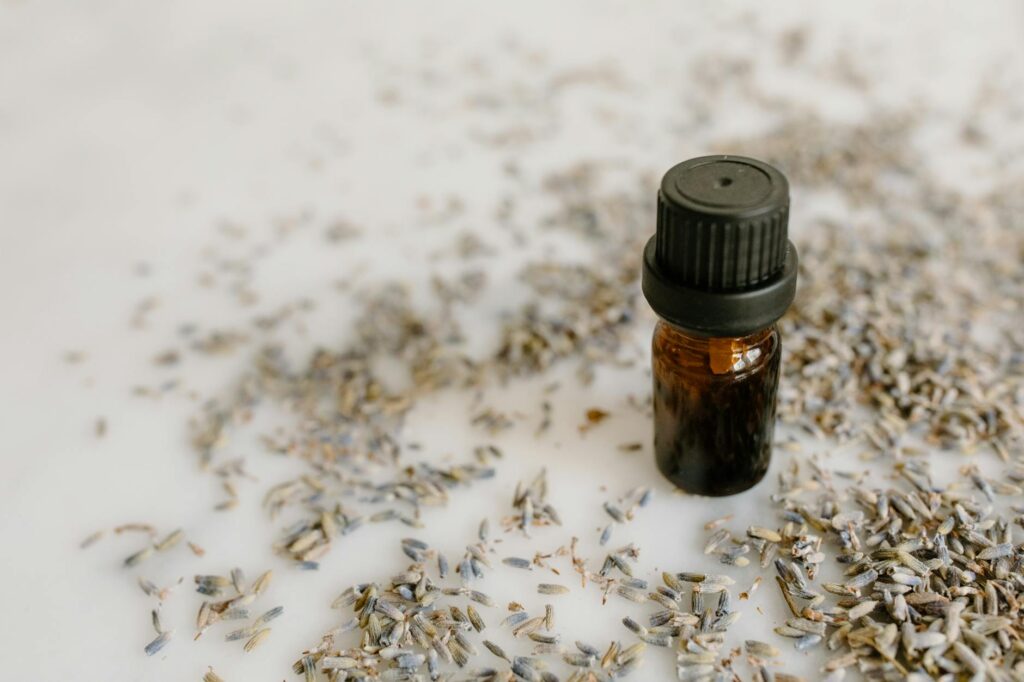
Complete Guide to Poppy Seed Oil Part 1
Introduction
Poppy seed oil, derived from the seeds of the opium poppy (Papaver somniferum), is a lesser-known yet valuable oil in the realm of culinary arts, cosmetics, and aromatherapy. Despite its association with the opium poppy, the oil extracted from its seeds is non-narcotic and has been utilized for centuries across various cultures for its diverse benefits and applications. This guide aims to provide an in-depth look at poppy seed oil, encompassing its properties, uses, and considerations for those interested in incorporating this versatile oil into their lives.
What Is Poppy Seed Oil?
Poppy seed oil is a pale yellow to golden oil extracted from the seeds of the opium poppy. The extraction process typically involves cold pressing, which helps retain the oil’s beneficial properties. Unlike its opiate counterpart, poppy seed oil is rich in fatty acids, vitamins, and antioxidants, making it a popular choice in culinary and cosmetic formulations.
The seeds from which the oil is derived are tiny, round, and typically blue-gray or black. They are often used in baking and cooking, adding both flavor and texture to dishes. The oil itself is known for its light, nutty flavor, making it a suitable alternative to other culinary oils.
Key Benefits and Properties
Poppy seed oil boasts several beneficial properties, making it appealing for various applications:
Nutritional Profile
- Fatty Acids: Poppy seed oil is rich in essential fatty acids, particularly linoleic acid (omega-6) and oleic acid (omega-9). These fatty acids play a crucial role in maintaining overall health and supporting cellular function.
- Vitamins: The oil contains notable amounts of vitamin E, a powerful antioxidant that helps protect cells from oxidative stress, as well as B vitamins, which are essential for energy metabolism.
- Salad Dressings: Its nutty flavor enhances the taste of salads, making it an excellent choice for vinaigrettes.
- Baking: Poppy seed oil can be used in bakery products, lending flavor and moisture to cakes, muffins, and breads.
- Marinades and Sauces: The oil serves as a base for marinades, adding depth to grilled meats and vegetables.
- Moisturizers: Its hydrating abilities make it a common ingredient in lotions and creams.
- Hair Care: The oil can be used in hair treatments to promote shine and manageability.
- Massage Oils: Its smooth texture makes it an ideal carrier oil for essential oils in massage applications.
- Lavender: Known for its calming properties, lavender essential oil can be combined with poppy seed oil for a soothing massage blend.
- Peppermint: When mixed with peppermint essential oil, poppy seed oil can create a refreshing application for headaches or muscle soreness.
- Citrus Oils: Blending with citrus oils like orange or lemon can result in an uplifting and invigorating aroma, suitable for diffusers or personal fragrances.
- Store poppy seed oil in a cool, dark place, away from direct sunlight and heat to prevent rancidity.
- It is advisable to keep the oil in a tightly sealed container to minimize exposure to air, which can also lead to oxidation.
Antioxidant Properties
The presence of antioxidants in poppy seed oil contributes to its ability to combat oxidative stress, potentially reducing the risk of chronic diseases and promoting overall well-being.
Skin Benefits
Poppy seed oil is known for its emollient properties, making it an excellent ingredient for skincare formulations. It can help hydrate and soothe the skin, making it suitable for various skin types. Additionally, the oil is non-comedogenic, meaning it does not clog pores and can be used in facial products.
Common Uses
Poppy seed oil has found its place in various domains, including:
Culinary Uses
In the culinary world, poppy seed oil is often used for:
Cosmetic Applications
Poppy seed oil is increasingly popular in cosmetic formulations due to its beneficial properties:
Aromatherapy Applications
In the field of aromatherapy, poppy seed oil is often used as a carrier oil due to its light texture and skin-friendly properties. While it does not possess strong aromatic qualities, it can effectively dilute essential oils, making them safe for topical application.
Blending with Essential Oils
Poppy seed oil blends well with a variety of essential oils, including:
Safety Considerations
While poppy seed oil is generally regarded as safe for culinary and topical use, there are a few considerations to keep in mind:
Allergies
Individuals with known allergies to poppy seeds or related plants should exercise caution when using poppy seed oil, as allergic reactions may occur.
Skin Sensitivity
Although poppy seed oil is non-comedogenic and suitable for most skin types, it is advisable to perform a patch test before widespread application, particularly for those with sensitive skin.
Pregnant and Nursing Women
While poppy seed oil is generally considered safe, pregnant and nursing women should consult with a healthcare provider before incorporating it into their diets or skincare routines.
Storage and Shelf Life
Proper storage of poppy seed oil is crucial to maintain its quality and extend its shelf life:
Storage Conditions
Shelf Life
When stored correctly, poppy seed oil typically has a shelf life of about 1 to 2 years. However, it is essential to check for any off odors or changes in color before use, as these can indicate spoilage.
Frequently Asked Questions
1. Is poppy seed oil safe for cooking?
Yes, poppy seed oil is safe for culinary use. It has a high smoke point, making it suitable for various cooking methods, including sautéing and baking.
2. Can I use poppy seed oil on my face?
Poppy seed oil is non-comedogenic, making it safe for facial application. However, a patch test is recommended for those with sensitive skin.
3. Is poppy seed oil good for hair?
Yes, poppy seed oil can help improve hair texture and shine. It can be used in hair masks or as a leave-in treatment.
4. How do I incorporate poppy seed oil into my skincare routine?
Poppy seed oil can be used as a moisturizer, added to creams, or blended with essential oils for massage.
5. What should I look for when purchasing poppy seed oil?
When purchasing poppy seed oil, look for cold-pressed, organic options to ensure quality and purity.
Conclusion
Poppy seed oil is an intriguing oil with a rich history and a wide range of applications. From its culinary uses to its benefits in skincare and aromatherapy, poppy seed oil represents a versatile addition to one’s pantry and personal care routine. In the following part of this guide, we will delve deeper into the production methods, quality considerations, and more advanced applications of poppy seed oil, enhancing your understanding of this valuable resource.