
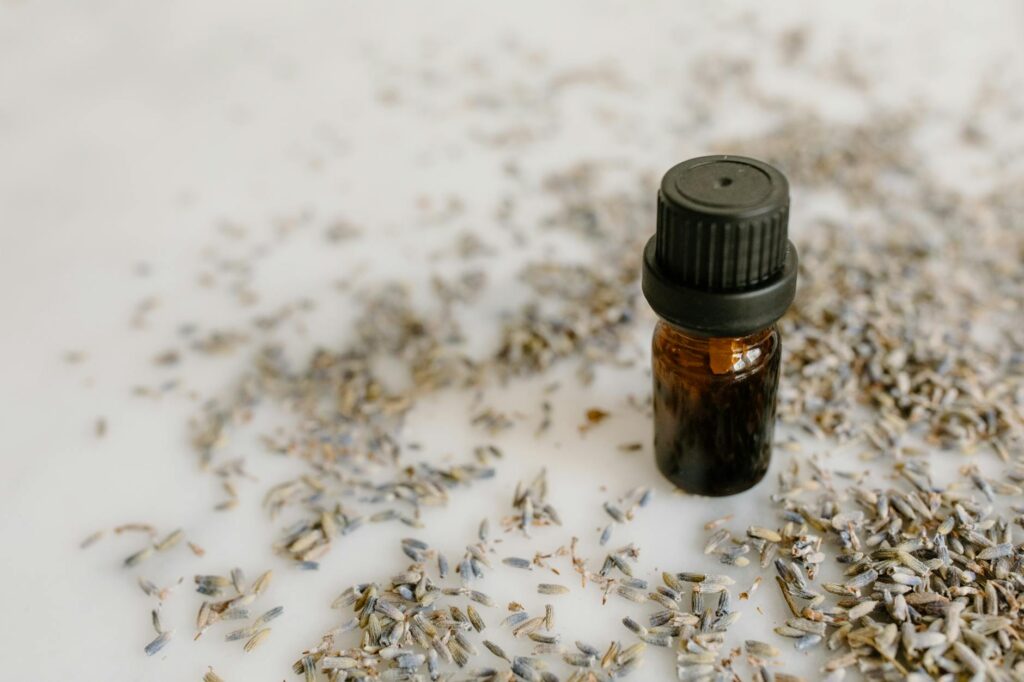
Complete Guide to Poppy Seed Oil Part 2
Introduction
Poppy seed oil, derived from the seeds of the opium poppy (Papaver somniferum), has gained attention for its diverse applications in culinary, cosmetic, and therapeutic settings. While the first part of this guide explored the oil’s extraction methods and historical significance, this second part delves deeper into its key benefits, common uses, and safety considerations, providing a comprehensive overview for those interested in incorporating this unique oil into their practices.
What Is Poppy Seed Oil?
Poppy seed oil is a light, pale yellow oil extracted from the seeds of the opium poppy plant, which is native to the Mediterranean region but is cultivated in various parts of the world. The extraction process typically involves cold pressing, which preserves the oil’s beneficial properties and flavor. Poppy seed oil is rich in essential fatty acids, particularly omega-6 and omega-9 fatty acids, as well as antioxidants, making it a valuable addition to both cosmetic formulations and culinary dishes.
Key Benefits and Properties
Poppy seed oil is celebrated for its numerous health and aesthetic benefits. Here are some of its key properties:
Nutritional Profile
1. Fatty Acids: The oil contains a high concentration of linoleic acid (omega-6) and oleic acid (omega-9), which contribute to heart health and skin integrity.
2. Vitamins and Minerals: Poppy seed oil is a source of vitamins E and K, which are known for their antioxidant properties and role in skin health.
3. Antioxidants: The oil contains various antioxidants that help combat oxidative stress, potentially reducing the risk of chronic diseases.
Skin Benefits
1. Moisturizing: Poppy seed oil is an effective moisturizer, making it suitable for dry skin and hair.
2. Anti-inflammatory: The oil may help soothe irritated skin and reduce inflammation, which can be beneficial for conditions like eczema.
3. Wound Healing: Its nutrient-dense profile can support skin repair and healing, making it a popular choice in natural skincare formulations.
Culinary Benefits
1. Flavor: Poppy seed oil has a mild, nutty flavor that enhances various dishes, from salad dressings to baked goods.
2. Nutritional Value: Its rich fatty acid content makes it a healthier alternative to saturated fats, promoting better dietary choices.
Common Uses
Poppy seed oil is versatile and can be used in various ways:
Culinary Uses
- Cooking: Ideal for sautéing and frying due to its high smoke point.
- Dressings: Commonly used in vinaigrettes and marinades for salads.
- Baking: Adds a subtle flavor to pastries and breads.
- Skincare: Incorporated into lotions, creams, and serums for its moisturizing properties.
- Haircare: Used in shampoos and conditioners to enhance shine and hydration.
- Paints and Inks: Due to its drying properties, poppy seed oil is sometimes used in artistic paints and printing inks.
- Lavender: Known for its calming effects, lavender essential oil combined with poppy seed oil can promote relaxation.
- Peppermint: This invigorating oil can provide an uplifting scent when mixed with poppy seed oil, making it suitable for energizing blends.
- Tea Tree: When blended, this combination can be beneficial for skin applications, harnessing the antimicrobial properties of tea tree oil.
- Cool, Dark Place: Store poppy seed oil in a cool, dark place, away from direct sunlight and heat sources to prevent oxidation.
- Sealed Containers: Always keep the oil in a tightly sealed container to protect it from air exposure.
Cosmetic Uses
Industrial Applications
Aromatherapy Applications
While poppy seed oil is not a primary essential oil, it can still play a role in aromatherapy as a carrier oil. Carrier oils are used to dilute essential oils before topical application, ensuring safety and enhancing absorption.
Blending with Essential Oils
Poppy seed oil can be blended with various essential oils to create soothing and aromatic blends. Some popular combinations include:
Diffusion
While not commonly diffused on its own, poppy seed oil can be added to diffuser blends to enhance the aroma and moisturizing properties of the air.
Safety Considerations
While poppy seed oil is generally recognized as safe for culinary and cosmetic use, there are some considerations to keep in mind:
Allergies
Individuals with known allergies to poppy seeds or related plants should exercise caution and consult with a healthcare provider before using poppy seed oil.
Skin Sensitivity
As with any new product, it is advisable to perform a patch test prior to widespread application to check for any adverse reactions.
Pregnant or Nursing Women
Due to limited research on the effects of poppy seed oil during pregnancy or breastfeeding, it is wise for expectant or nursing mothers to seek advice from healthcare professionals before use.
Interaction with Medications
There is limited information on potential interactions between poppy seed oil and medications. Individuals taking medications should consult with a healthcare provider for personalized advice.
Storage and Shelf Life
Proper storage is essential to maintain the quality and longevity of poppy seed oil. Here are some guidelines:
Storage Conditions
Shelf Life
Poppy seed oil typically has a shelf life of about 6 to 12 months when stored properly. It is advisable to check for any off odors or changes in appearance before use.
Frequently Asked Questions
1. Is poppy seed oil safe for cooking?
Yes, poppy seed oil is safe for cooking and is often used in salad dressings and baked goods due to its mild flavor.
2. Can poppy seed oil be used on sensitive skin?
Poppy seed oil is generally considered safe for sensitive skin, but it is always recommended to perform a patch test first.
3. How can poppy seed oil be used in aromatherapy?
Poppy seed oil can be used as a carrier oil to dilute essential oils before topical application or blended into massage oils.
4. What is the nutritional value of poppy seed oil?
Poppy seed oil is rich in omega-6 and omega-9 fatty acids, vitamins E and K, and various antioxidants, making it a nutritious choice.
5. How do I know if poppy seed oil has gone bad?
Signs of spoilage include off odors, changes in color, or a rancid taste. If you notice any of these changes, it is best to discard the oil.
Conclusion
Poppy seed oil is a multifaceted oil with applications that span culinary, cosmetic, and therapeutic realms. By understanding its benefits, uses, and safety considerations, individuals can appreciate this oil’s potential contributions to a well-rounded lifestyle. Whether used in a nourishing skincare routine, a flavorful dish, or a relaxing aromatherapy blend, poppy seed oil can enhance well-being in various ways.