
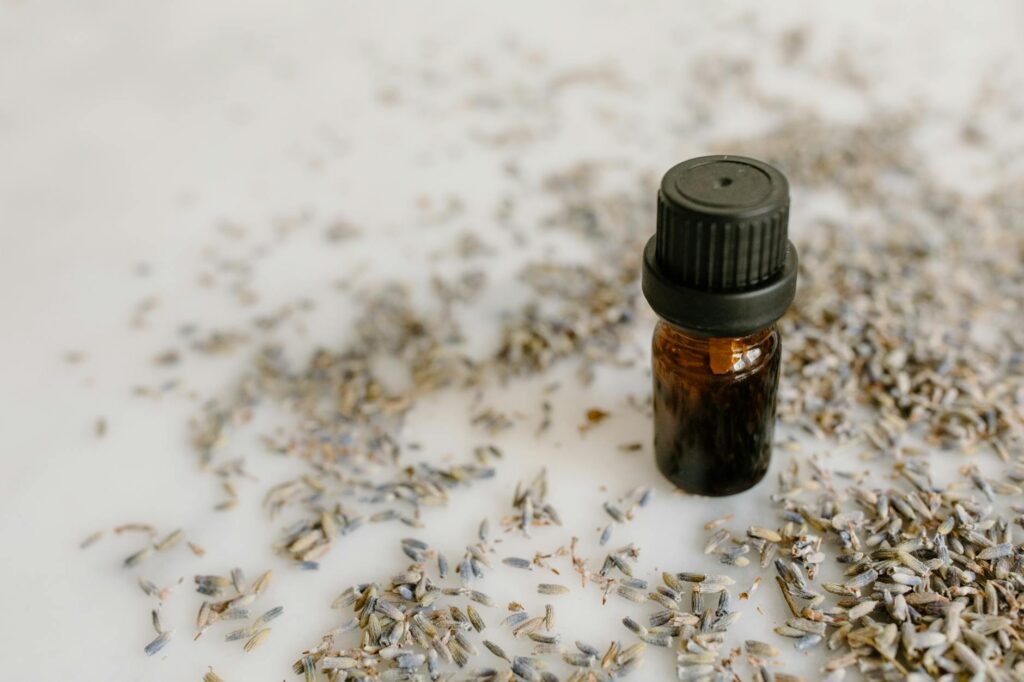
Complete Guide to Poppy Seed Oil Part 3
Introduction
Poppy seed oil, derived from the seeds of the opium poppy (Papaver somniferum), has garnered attention for its culinary uses as well as its applications in aromatherapy and cosmetics. This guide aims to provide a comprehensive overview of poppy seed oil, including its properties, benefits, uses, and safety considerations. As we delve into the various aspects of this remarkable oil, readers will gain a better understanding of how to incorporate it into their daily lives.
What Is Poppy Seed Oil?
Poppy seed oil is an edible oil extracted from the seeds of the opium poppy plant. The extraction process typically involves cold pressing the seeds, which preserves the oil’s natural flavor and beneficial properties. The oil is light in color, often pale yellow or golden, and has a mild, nutty flavor, making it suitable for culinary applications. It is rich in essential fatty acids and vitamins, contributing to its popularity in both cooking and skincare.
Key Benefits and Properties
Poppy seed oil is renowned for its rich nutrient profile. Some key components include:
- Essential Fatty Acids: The oil is primarily composed of linoleic acid (omega-6) and oleic acid (omega-9), which are essential for maintaining healthy skin and hair.
- Vitamins: Poppy seed oil is a source of vitamin E, an antioxidant that helps protect cells from damage caused by free radicals. It also contains B vitamins, which support overall health and well-being.
- Minerals: The oil contains trace minerals, including calcium, magnesium, and phosphorus, which contribute to various bodily functions.
- Moisturization: The oil is a natural emollient, making it effective for hydrating and softening the skin.
- Anti-inflammatory Properties: The essential fatty acids may help reduce inflammation, making it suitable for sensitive or irritated skin.
- Nourishment: The oil supports hair health, providing nourishment and shine, which can be beneficial for various hair types.
- Salad dressings: Its light texture makes it an excellent base for vinaigrettes.
- Baking: The oil can enhance the flavor of baked goods, such as cakes and breads.
- Drizzling: It can be drizzled over cooked vegetables, grains, or pasta to add a nutty flavor.
- Moisturizers: The oil’s emollient properties make it a popular ingredient in creams and lotions.
- Massage oils: Its smooth texture allows for easy application during massages.
- Hair care: Poppy seed oil can be found in shampoos and conditioners aimed at nourishing and strengthening hair.
- Massage: Mixing poppy seed oil with essential oils such as lavender or chamomile can create a calming massage blend.
- Diffusion: While not typically used in diffusers, the oil’s subtle nutty aroma can complement other essential oils in a blend.
- Baths: Adding a few drops of poppy seed oil to bathwater can provide a soothing experience, especially when combined with essential oils like eucalyptus or bergamot.
- Allergic Reactions: Individuals with allergies to poppy seeds or related plants should exercise caution when using poppy seed oil.
- Quality: Always choose high-quality, cold-pressed poppy seed oil from reputable sources to ensure purity and avoid additives.
- Skin Sensitivity: Conduct a patch test before applying the oil topically, especially for those with sensitive skin.
- Cool, Dark Place: Store the oil in a cool, dark place away from direct sunlight and heat to prevent oxidation.
- Airtight Container: Keeping the oil in an airtight container will help preserve its freshness and prevent spoilage.
- Shelf Life: Generally, poppy seed oil has a shelf life of about six months to a year when stored correctly. Always check for any off odors or changes in appearance before use.
These components contribute to several benefits, including:
Common Uses
Poppy seed oil has a variety of applications across different domains:
Culinary Uses
Poppy seed oil is often used in cooking and baking due to its pleasant flavor. It can be used for:
Skincare
In the realm of skincare, poppy seed oil is commonly found in various products:
Aromatherapy
While not as commonly known as other essential oils, poppy seed oil can be used in aromatherapy blends for its subtle scent and potential calming effects.
Aromatherapy Applications
Although poppy seed oil is not an essential oil in the traditional sense, it can be included in aromatherapy practices due to its soothing properties. When blended with essential oils, it can serve as a carrier oil, diluting potent essential oils and allowing for safe topical application. Some ways to utilize poppy seed oil in aromatherapy include:
Safety Considerations
While poppy seed oil is generally considered safe for culinary and topical use, some precautions should be observed:
It is essential to note that poppy seed oil is not an essential oil and does not have the same potency as concentrated essential oils. Users should be mindful of this distinction when incorporating it into their routines.
Storage and Shelf Life
Proper storage is crucial for maintaining the quality of poppy seed oil. Here are some tips:
Frequently Asked Questions
Is poppy seed oil safe for cooking?
Yes, poppy seed oil is safe for cooking and can be used in various culinary applications. However, it is essential to use it in moderation, as with any oil.
Can poppy seed oil be used on all skin types?
Poppy seed oil is generally suitable for most skin types due to its moisturizing and anti-inflammatory properties. However, individuals with specific allergies or sensitivities should conduct a patch test before use.
How does poppy seed oil compare to other carrier oils?
Poppy seed oil is lighter and has a milder flavor compared to oils like olive or coconut oil. It is an excellent option for those seeking a neutral carrier oil with additional nutritional benefits.
Can poppy seed oil help with hair health?
Yes, poppy seed oil can nourish and moisturize hair, enhancing its shine and overall condition. It can be used as a treatment before washing or as a leave-in conditioner.
Is poppy seed oil suitable for aromatherapy?
While not an essential oil, poppy seed oil can be used as a carrier oil in aromatherapy. It should be blended with essential oils for safe topical application.
Conclusion
Poppy seed oil is a versatile oil with a rich nutrient profile that can be incorporated into both culinary and skincare routines. Its moisturizing properties, along with its mild flavor, make it a valuable addition to various applications. By understanding its benefits, uses, and safety considerations, individuals can make informed choices about how to integrate poppy seed oil into their daily lives. Whether used in the kitchen, as part of a skincare regimen, or in aromatherapy, poppy seed oil serves as a testament to the potential of natural ingredients in promoting well-being.