
Complete Guide to Poppy Seed Oil Part 4
Introduction
Poppy Seed Oil is derived from the seeds of the opium poppy plant (Papaver somniferum). This oil has been utilized for centuries in various cultures for its culinary, cosmetic, and aromatic properties. While it may not be as widely known as other carrier oils, its unique qualities make it a valuable addition to both cooking and aromatherapy practices. In this article, we will delve into the specifics of Poppy Seed Oil, exploring its benefits, uses, and applications, along with important safety considerations.
What Is Poppy Seed Oil?
Poppy Seed Oil is extracted from the small, black seeds of the opium poppy. Unlike its more notorious counterpart, the opium derived from the plant’s sap, the oil is safe to consume and is primarily used for culinary purposes, cosmetics, and aromatherapy. The extraction process typically involves cold-pressing the seeds to retain their natural properties and nutrients. The result is a light, slightly nutty oil with a pale yellow hue.
Composition
Poppy Seed Oil is rich in essential fatty acids, particularly linoleic acid (omega-6) and oleic acid (omega-9). It also contains antioxidants, vitamins A and E, and a variety of phytosterols. These components contribute to its moisturizing and nourishing properties, making it suitable for various applications.
Key Benefits and Properties
Nutritional Benefits
Poppy Seed Oil is often lauded for its nutritional value. It contains essential fatty acids that play a crucial role in maintaining overall health. These fatty acids are important for cell structure, hormone production, and the absorption of fat-soluble vitamins.
Skin Care
Poppy Seed Oil is known for its emollient properties, providing hydration and nourishment to the skin. Its lightweight texture allows for easy absorption, making it suitable for all skin types. Additionally, its antioxidant content helps protect the skin from free radicals and environmental stressors.
Anti-Inflammatory Properties
The oil has been noted for its potential anti-inflammatory effects, which may help soothe irritated skin and reduce redness. This makes it a favorable option for individuals with sensitive skin or conditions like eczema.
Culinary Uses
In cooking, Poppy Seed Oil is celebrated for its nutty flavor and versatility. It can be used in salad dressings, marinades, and as a finishing oil for various dishes. Additionally, it can enhance the flavor profile of baked goods, providing a unique twist to traditional recipes.
Common Uses
Culinary Applications
Poppy Seed Oil can be used in a variety of culinary settings. Its light flavor makes it an excellent choice for salad dressings, where it can be combined with vinegar or citrus juices. Additionally, it can be drizzled over roasted vegetables or used to sauté fish and poultry, imparting a subtle richness.
Cosmetic Uses
In the realm of skincare, Poppy Seed Oil is often incorporated into lotions, creams, and serums. Its moisturizing properties make it an ideal ingredient for products designed to hydrate and nourish the skin. Furthermore, it can be used as a carrier oil for essential oils in massage oils and aromatherapy blends.
Hair Care
Poppy Seed Oil is also beneficial for hair care. It can be used as a conditioning oil to enhance shine, reduce frizz, and promote overall hair health. When used in hair masks or treatments, it can help nourish the scalp and strengthen hair strands.
Aromatherapy Applications
In aromatherapy, Poppy Seed Oil can serve as a carrier oil for essential oils, allowing for safe and effective topical application. While it does not possess a strong aroma on its own, it can enhance the therapeutic benefits of other essential oils when blended together.
Blending with Essential Oils
Poppy Seed Oil pairs well with a variety of essential oils, including lavender, chamomile, and geranium. These combinations can create soothing blends that promote relaxation and emotional balance. The oil can be used in diffusers, massage oils, or added to bathwater for a calming experience.
Massage Therapy
When used in massage therapy, Poppy Seed Oil’s lightweight texture allows for smooth application, making it ideal for various massage techniques. Its moisturizing properties can help soothe sore muscles and promote relaxation, enhancing the overall massage experience.
Safety Considerations
While Poppy Seed Oil is generally considered safe for consumption and topical application, there are a few important safety considerations to keep in mind:
Allergies
Individuals with a known allergy to poppy seeds should avoid using Poppy Seed Oil. It is advisable to conduct a patch test before applying the oil to larger areas of the skin, especially for those with sensitive skin or allergies.
Quality of Oil
When purchasing Poppy Seed Oil, it is important to choose high-quality, cold-pressed oil to ensure that it retains its beneficial properties. Look for oils that are labeled as organic and free from additives or preservatives.
Consultation
Though Poppy Seed Oil is safe for general use, individuals with specific health concerns or those who are pregnant or nursing should consult with a healthcare professional before incorporating it into their routine.
Storage and Shelf Life
To maintain the quality and efficacy of Poppy Seed Oil, proper storage is essential. Here are some tips for storing the oil:
Storage Conditions
1. Keep in a Cool, Dark Place: Poppy Seed Oil should be stored in a cool, dark place away from direct sunlight and heat sources. Exposure to light and heat can degrade the oil and reduce its shelf life.
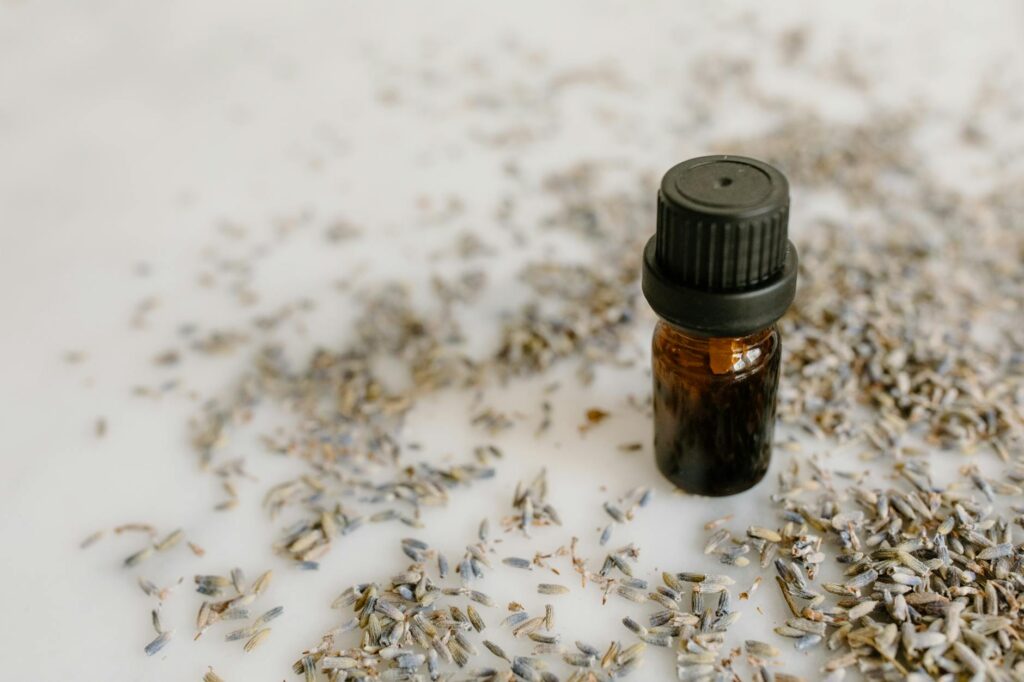
2. Use Dark Glass Containers: If possible, store the oil in dark glass bottles to further protect it from light exposure. This can help prolong its shelf life and maintain its beneficial properties.
Shelf Life
Poppy Seed Oil typically has a shelf life of 6 to 12 months, depending on storage conditions. It is advisable to check for any off smells or changes in color before use, as these may indicate that the oil has gone rancid. Discard any oil that shows signs of spoilage.
Frequently Asked Questions
1. Can Poppy Seed Oil be used in cooking?
Yes, Poppy Seed Oil is safe for culinary use and is often used in salad dressings, marinades, and for sautéing. Its light, nutty flavor makes it a versatile ingredient in various dishes.
2. Is Poppy Seed Oil suitable for all skin types?
Poppy Seed Oil is generally suitable for all skin types due to its lightweight texture and moisturizing properties. However, individuals with known allergies to poppy seeds should avoid its use.
3. Can Poppy Seed Oil be used in aromatherapy?
Yes, Poppy Seed Oil can be used as a carrier oil in aromatherapy. It blends well with various essential oils, enhancing their therapeutic benefits when applied topically or used in diffusers.
4. What are the main fatty acids in Poppy Seed Oil?
Poppy Seed Oil is rich in essential fatty acids, particularly linoleic acid (omega-6) and oleic acid (omega-9). These fatty acids contribute to the oil’s nutritional and moisturizing properties.
5. How should I store Poppy Seed Oil?
Poppy Seed Oil should be stored in a cool, dark place, ideally in a dark glass container to protect it from light. This helps to prolong its shelf life, which is typically 6 to 12 months.
Conclusion
Poppy Seed Oil is a versatile and beneficial oil that can enhance culinary creations, skincare routines, and aromatherapy practices. Its unique properties and nutritional benefits make it a valuable addition to any wellness toolkit. By understanding its uses, benefits, and safety considerations, individuals can make informed decisions about incorporating Poppy Seed Oil into their daily lives.