
Complete Guide to Poppy Seed Oil Part 6
Introduction
Poppy seed oil, derived from the seeds of the opium poppy (Papaver somniferum), has garnered attention for its unique properties and applications. This oil, known for its light texture and nutty flavor, is primarily used in culinary contexts but also holds potential in the realms of skincare and aromatherapy. In this article, we will explore the composition, benefits, and uses of poppy seed oil, along with safety considerations and storage tips.
What Is Poppy Seed Oil?
Poppy seed oil is extracted from the seeds of the opium poppy, a flowering plant native to the Mediterranean region but now cultivated in various parts of the world. The oil is cold-pressed from the tiny, grayish-blue seeds that contain a rich profile of fatty acids, vitamins, and minerals.
The extraction process involves pressing the seeds to release their oil, which is then filtered to remove impurities. Poppy seed oil is typically light in color and has a mild, nutty flavor, making it a popular choice in culinary applications, particularly in salad dressings, baked goods, and sauces.
Key Benefits and Properties
Nutritional Profile
Poppy seed oil is rich in polyunsaturated fatty acids, primarily omega-6 fatty acids, which are essential for various bodily functions. It also contains oleic acid, a monounsaturated fat known for its heart-healthy properties. Additionally, poppy seed oil is a source of vitamins E and K, which are beneficial for skin health and overall well-being.
Antioxidant Properties
The presence of antioxidants in poppy seed oil, particularly tocopherols (a form of vitamin E), helps combat oxidative stress in the body. This can contribute to overall health by neutralizing free radicals, which are unstable molecules that can damage cells and contribute to aging and various diseases.
Skin Benefits
Poppy seed oil is often praised for its moisturizing properties. Its light texture allows for easy absorption into the skin, making it an excellent choice for those with dry or sensitive skin. Additionally, its anti-inflammatory properties may help soothe irritated skin, making it suitable for various skin conditions.
Common Uses
Culinary Uses
In the kitchen, poppy seed oil is valued for its flavor and versatility. It can be used in salad dressings, marinades, and sauces, adding a unique nutty taste. Additionally, it is often incorporated into baked goods, offering moisture and a subtle flavor enhancement.
Skincare
The moisturizing properties of poppy seed oil make it a popular ingredient in skincare formulations. It can be found in creams, lotions, and serums, where it serves to hydrate and nourish the skin. Its lightweight nature ensures that it does not clog pores, making it suitable for all skin types.
Hair Care
Poppy seed oil can also be beneficial for hair health. Its nourishing properties may help strengthen hair strands and promote shine. It is often used in hair masks and conditioners to enhance moisture and improve manageability.
Aromatherapy Applications
In aromatherapy, poppy seed oil is not commonly used as a primary essential oil due to the lack of strong aromatic properties. However, it serves as an effective carrier oil for diluting essential oils before application. Its light texture allows for easy absorption, making it an excellent base for creating personalized blends.
Blending with Essential Oils
Poppy seed oil can be blended with various essential oils to create custom aromatherapy products. Its mild scent allows it to complement stronger essential oils without overpowering them. Some popular essential oils that pair well with poppy seed oil include:
- Lavender: Known for its calming properties, lavender essential oil can be blended with poppy seed oil for a soothing massage oil.
- Rosemary: Combining rosemary with poppy seed oil can create an invigorating blend suitable for hair care.
- Lemon: For a refreshing aroma, lemon essential oil can be mixed with poppy seed oil to create uplifting room sprays.
- Cool, Dark Place: Poppy seed oil should be stored in a cool, dark location, away from direct sunlight and heat sources, to prevent oxidation.
- Tightly Sealed Container: Use a tightly sealed container to minimize exposure to air, which can lead to rancidity.
Safety Considerations
While poppy seed oil is generally considered safe for culinary and topical use, there are some precautions to keep in mind:
Allergies
Individuals with allergies to poppy seeds or related plants should avoid using poppy seed oil. It is essential to perform a patch test when applying it topically for the first time to check for any adverse reactions.
Pregnancy and Nursing
Due to the origins of poppy seed oil, pregnant or nursing individuals may wish to consult with a healthcare professional before use, particularly in large quantities.
Quality of Product
When purchasing poppy seed oil, it is crucial to choose a high-quality, cold-pressed version. Refined oils may have undergone processing that diminishes their nutritional benefits and may contain additives or chemicals.
Storage and Shelf Life
Proper storage of poppy seed oil is essential to maintain its quality and extend its shelf life. Here are some tips for storing poppy seed oil:
Storage Conditions
Shelf Life
When stored correctly, poppy seed oil typically has a shelf life of about 6 to 12 months. It is advisable to check for any off smells or changes in color before use, as these can indicate that the oil has gone rancid.
Frequently Asked Questions
Is poppy seed oil safe for cooking?
Yes, poppy seed oil is safe for cooking and is often used in salad dressings and baked goods. However, it is recommended to use it in moderation.
Can I use poppy seed oil on my skin?
Yes, poppy seed oil can be applied topically and is known for its moisturizing properties. Always perform a patch test before full application.
Does poppy seed oil have a strong scent?
Poppy seed oil has a mild, nutty aroma that is not overpowering. It is often used as a carrier oil in aromatherapy rather than as a primary essential oil.
How can I incorporate poppy seed oil into my skincare routine?
Poppy seed oil can be added to creams, lotions, or used as a standalone moisturizer. It can also be blended with essential oils for enhanced benefits.
What should I look for when purchasing poppy seed oil?
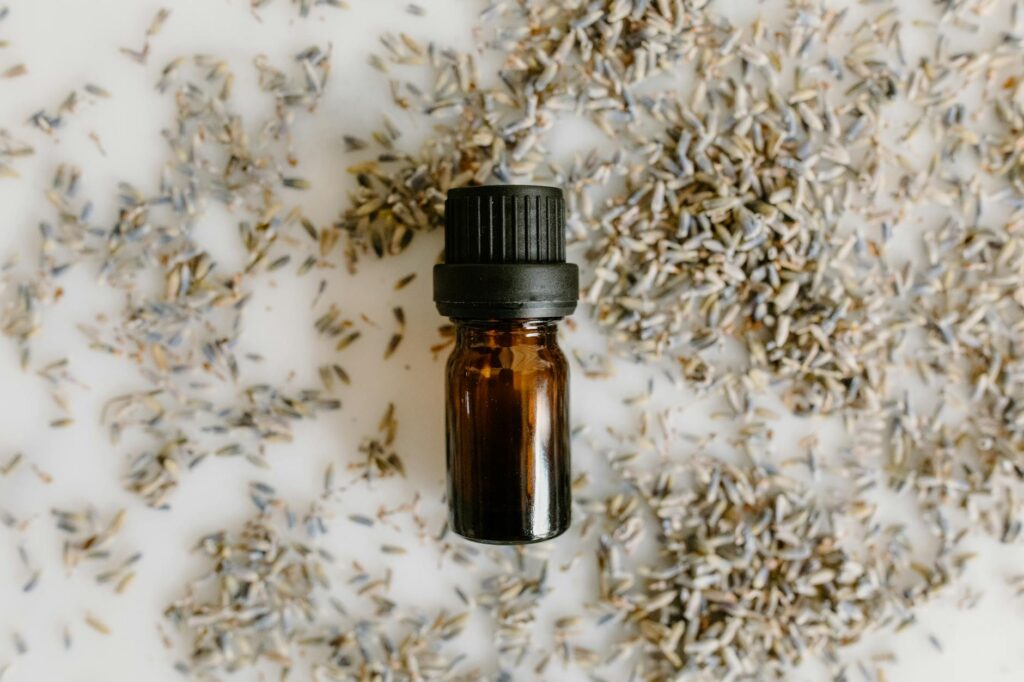
When purchasing poppy seed oil, opt for high-quality, cold-pressed varieties without additives or preservatives. Check the expiration date and ensure it is stored in a dark glass bottle to protect against light exposure.
Conclusion
Poppy seed oil is a versatile oil with applications in culinary, skincare, and aromatherapy domains. Its rich nutrient profile and beneficial properties make it a valuable addition to various formulations. By understanding its uses, benefits, and safety considerations, individuals can effectively incorporate poppy seed oil into their daily routines, whether for culinary delights or skin nourishment. Always prioritize quality and consult with professionals when necessary to ensure optimal use.