
Complete Guide to Poppy Seed Oil Part 6
Introduction
Poppy seed oil, derived from the seeds of the opium poppy (Papaver somniferum), has garnered attention not only for its culinary applications but also for its potential benefits in aromatherapy and skincare. This article explores the properties, uses, and safety considerations of this unique oil, providing a comprehensive resource for those interested in incorporating poppy seed oil into their practices.
What Is Poppy Seed Oil?
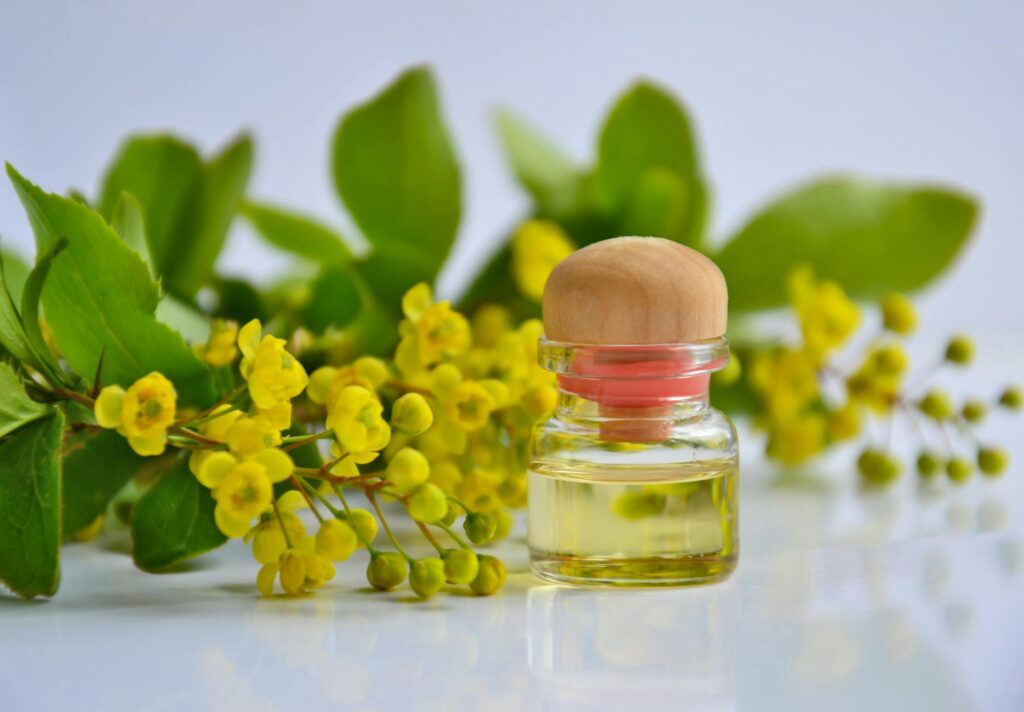
Poppy seed oil is a light, pale yellow oil extracted from the seeds of the opium poppy. The extraction process typically involves cold pressing, which helps retain the oil’s beneficial properties. Poppy seeds themselves are small, round, and black, and while they are often used in cooking and baking, the oil offers a different set of characteristics and applications.
The oil has a mild, nutty flavor, making it a popular choice in culinary contexts. However, its true potential extends beyond the kitchen, as it is rich in essential fatty acids, antioxidants, and vitamins that contribute to its healthful properties.
Key Benefits and Properties
Nutritional Profile
Poppy seed oil is primarily composed of unsaturated fatty acids, particularly linoleic acid (omega-6) and oleic acid (omega-9). These fatty acids are known for their role in supporting overall health, including skin integrity and cardiovascular wellness. The oil also contains:
- Vitamin E: An antioxidant that helps protect cells from oxidative stress.
- Phytosterols: Compounds that may support cholesterol levels and overall heart health.
- Minerals: Such as calcium, magnesium, and phosphorus, which can contribute to various bodily functions.
- Moisturize: The oil penetrates the skin easily, providing hydration without a greasy residue.
- Soften Skin: Its rich fatty acid content can help improve skin texture and promote a smooth appearance.
- Calm Inflammation: The oil’s antioxidant properties may aid in reducing skin irritation and redness.
- Salad Dressings: Its mild flavor makes it an excellent base for vinaigrettes.
- Baking: It can be incorporated into baked goods, providing a unique taste and nutritional boost.
- Finishing Oil: Drizzling it over dishes just before serving can enhance flavor.
- Lotions and Creams: Used for its moisturizing properties.
- Massage Oils: Its lightweight texture makes it suitable for massage blends.
- Hair Care Products: It can be included in shampoos and conditioners to promote shine and moisture.
- Massage Blends: Combining poppy seed oil with essential oils such as lavender or chamomile can create a relaxing massage experience.
- Skin Treatments: Mixing with oils like tea tree or frankincense can help target specific skin concerns.
- Cool, Dark Place: Store the oil in a cool, dark cupboard away from direct sunlight.
- Sealed Containers: Keep it in tightly sealed containers to prevent oxidation and spoilage.
Cosmetic and Skin Benefits
Poppy seed oil is often lauded for its emollient properties, making it a valuable addition to skincare formulations. It can help:
Common Uses
Poppy seed oil is versatile, finding applications in various domains:
Culinary Uses
In cooking, poppy seed oil can be used for:
Skincare Products
In the cosmetic realm, poppy seed oil is found in:
Aromatherapy Applications
While poppy seed oil is not typically used as an essential oil in aromatherapy, it can serve as a carrier oil for diluting essential oils. Its light texture allows for easy absorption, making it a suitable choice for various applications:
Blending Essential Oils
When blended with essential oils, poppy seed oil can enhance the therapeutic properties of the blend. It is particularly effective in:
Diffusion and Inhalation
Though poppy seed oil itself is not used in diffusers, it can be part of a massage oil applied after inhaling essential oil scents. The calming benefits of essential oils can be complemented by the soothing effects of poppy seed oil on the skin.
Safety Considerations
Allergies and Sensitivities
Before using poppy seed oil, it is essential to conduct a patch test, especially for those with known allergies to seeds or nuts. While it is generally considered safe for topical use, individual reactions may vary.
Pregnancy and Nursing
Though poppy seed oil is often deemed safe for culinary use, it is advisable for pregnant or nursing individuals to consult with a healthcare professional before incorporating it into their routine.
Interactions with Medications
Poppy seed oil is not widely reported to interact with medications. However, individuals on anti-coagulant medications should exercise caution, as high doses of omega-6 fatty acids can influence blood clotting.
Storage and Shelf Life
To maintain the quality of poppy seed oil, proper storage is essential:
Storage Conditions
Shelf Life
Poppy seed oil typically has a shelf life of about 6 to 12 months when stored properly. Always check for changes in smell or appearance before use, as these can indicate spoilage.
Frequently Asked Questions
Is poppy seed oil safe for cooking?
Yes, poppy seed oil is safe for culinary use and can enhance the flavor of various dishes.
Can poppy seed oil be used on all skin types?
Poppy seed oil is generally suitable for all skin types, but those with sensitive skin should perform a patch test before widespread use.
How does poppy seed oil compare to other carrier oils?
Poppy seed oil is lighter than many other carrier oils, making it a favorite for blends where a non-greasy feel is desired. It has a unique nutrient profile that sets it apart from oils like almond or coconut.
Where can I purchase poppy seed oil?
Poppy seed oil can be found in health food stores, specialty cooking shops, or online retailers that specialize in culinary oils and natural skincare products.
Can I use poppy seed oil in aromatherapy?
While it is not an essential oil, poppy seed oil can be used as a carrier oil to dilute essential oils for topical applications and massage.
Conclusion
Poppy seed oil is a multifaceted oil that offers a range of benefits in both culinary and cosmetic applications. Its rich nutritional profile and emollient properties make it a valuable addition to various formulations. When used responsibly and stored correctly, it can enhance your cooking and skincare routines, providing a unique combination of flavor and nourishment. Always remember to consider individual sensitivities and conduct patch tests when incorporating new oils into your regimen.