
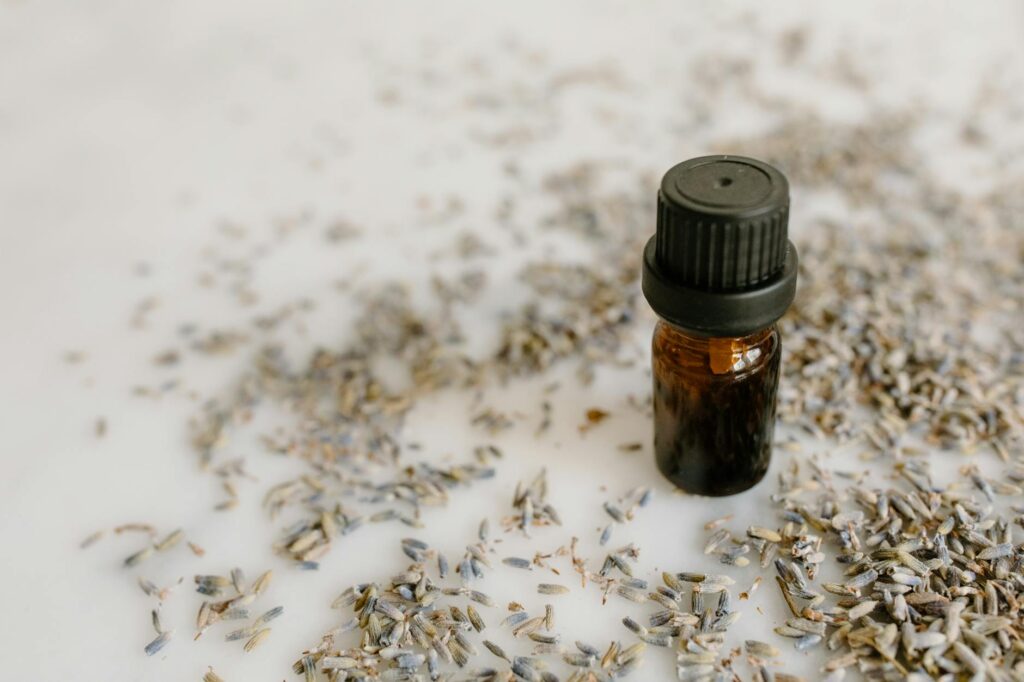
Complete Guide to Poppy Seed Oil Part 7
Introduction
Poppy seed oil, derived from the seeds of the opium poppy (Papaver somniferum), is a lesser-known yet versatile oil celebrated for its culinary uses, cosmetic benefits, and potential therapeutic properties. This guide aims to provide a comprehensive overview of poppy seed oil, exploring its characteristics, benefits, applications, and safety considerations.
What Is Poppy Seed Oil?
Poppy seed oil is extracted from the small, black seeds of the opium poppy plant. The extraction process typically involves cold pressing, which retains the oil’s natural properties and nutrients. The oil is characterized by a light, nutty flavor and a pale yellow hue, making it an appealing ingredient in various dishes and formulations.
In addition to culinary applications, poppy seed oil is increasingly recognized in the realms of cosmetics and aromatherapy. It is rich in essential fatty acids, vitamins, and antioxidants, which contribute to its wide array of beneficial properties.
Key Benefits and Properties
Poppy seed oil is valued for its unique composition, which includes:
Nutritional Profile
- Fatty Acids: Rich in linoleic acid (omega-6) and oleic acid (omega-9), both of which contribute to cardiovascular health and skin hydration.
- Vitamins: Contains significant amounts of vitamin E, an antioxidant that helps protect cells from oxidative damage.
- Moisturizing: The oil is known for its emollient properties, making it an excellent moisturizer for dry skin.
- Soothing: Poppy seed oil may help calm irritated skin due to its anti-inflammatory properties.
- Dressing and Marinades: Its rich texture and flavor enhance salads and grilled vegetables.
- Baked Goods: Often used in bread and pastries to add moisture and flavor.
- Finish Oils: Drizzled over dishes to provide a nutty finish.
- Moisturizers: Due to its hydrating properties, it is commonly found in lotions and creams.
- Serums: Poppy seed oil is often included in anti-aging and skin-repair serums.
- Hair Care Products: Used in conditioners and masks to nourish and hydrate hair.
- Lavender: For relaxation and stress relief.
- Bergamot: To uplift the mood and promote emotional balance.
- Rosemary: For mental clarity and focus.
- Cool, Dark Place: Store in a cool, dark location to protect the oil from light and heat, which can degrade its quality.
- Seal Tightly: Ensure that the bottle is tightly sealed to prevent oxidation.
Skin Benefits
Antioxidant Properties
The presence of antioxidants in poppy seed oil helps combat free radicals, which can lead to premature aging and various skin concerns.
Culinary Benefits
The oil’s nutty flavor enhances the taste of dressings, marinades, and baked goods, while its high smoke point makes it suitable for cooking at higher temperatures.
Common Uses
Culinary Uses
Poppy seed oil is widely used in cooking and baking. Its subtle flavor profile pairs well with various ingredients, making it a popular choice for:
Cosmetic Applications
In cosmetics, poppy seed oil is used in various formulations, including:
Aromatherapy Applications
While not as prevalent as other essential oils, poppy seed oil can play a role in aromatherapy. Its mild, nutty aroma can be blended with other essential oils to create calming and soothing environments.
Blending with Other Oils
Poppy seed oil blends well with a variety of essential oils, such as:
Massage
Due to its smooth texture and skin-nourishing properties, poppy seed oil is often used as a carrier oil in massage blends, allowing for both therapeutic effects and skin benefits.
Safety Considerations
While poppy seed oil is generally considered safe for culinary and cosmetic use, there are some important considerations to keep in mind:
Allergies
Individuals with allergies to poppy seeds or related plants should exercise caution and consult with a healthcare professional before using the oil.
Skin Sensitivity
As with any oil, it is advisable to conduct a patch test before applying poppy seed oil topically. Discontinue use if any irritation or allergic reaction occurs.
Pregnancy and Nursing
Pregnant or nursing individuals should consult a healthcare provider before using poppy seed oil, particularly in high amounts, as there is limited research on its effects in these populations.
Storage and Shelf Life
To maintain the integrity and quality of poppy seed oil, proper storage is essential:
Storage Guidelines
Shelf Life
When stored correctly, poppy seed oil typically has a shelf life of 6 to 12 months. Regularly check for any off odors or changes in color, which may indicate spoilage.
Frequently Asked Questions
Can I use poppy seed oil for cooking?
Yes, poppy seed oil is suitable for cooking due to its high smoke point and pleasant flavor. It can be used in dressings, marinades, and baked goods.
Is poppy seed oil safe for skin?
Poppy seed oil is generally safe for topical use, but it is advisable to perform a patch test first to rule out any allergic reactions.
What are the benefits of using poppy seed oil in cosmetics?
Poppy seed oil is valued for its moisturizing and soothing properties, making it a beneficial ingredient in various skincare and hair care products.
Can poppy seed oil be used in aromatherapy?
While not as common as other essential oils, poppy seed oil can be blended with other essential oils for massage and relaxation purposes.
How should I store poppy seed oil?
Store poppy seed oil in a cool, dark place in a tightly sealed container to maintain its quality and extend its shelf life.
Conclusion
Poppy seed oil is a multifaceted oil with a rich history and a variety of applications in cooking, cosmetics, and aromatherapy. Understanding its benefits, uses, and safety considerations can help you make informed decisions about incorporating this oil into your life. Whether you are looking to enhance your culinary creations or explore its potential in skincare, poppy seed oil offers a unique addition to your repertoire.