
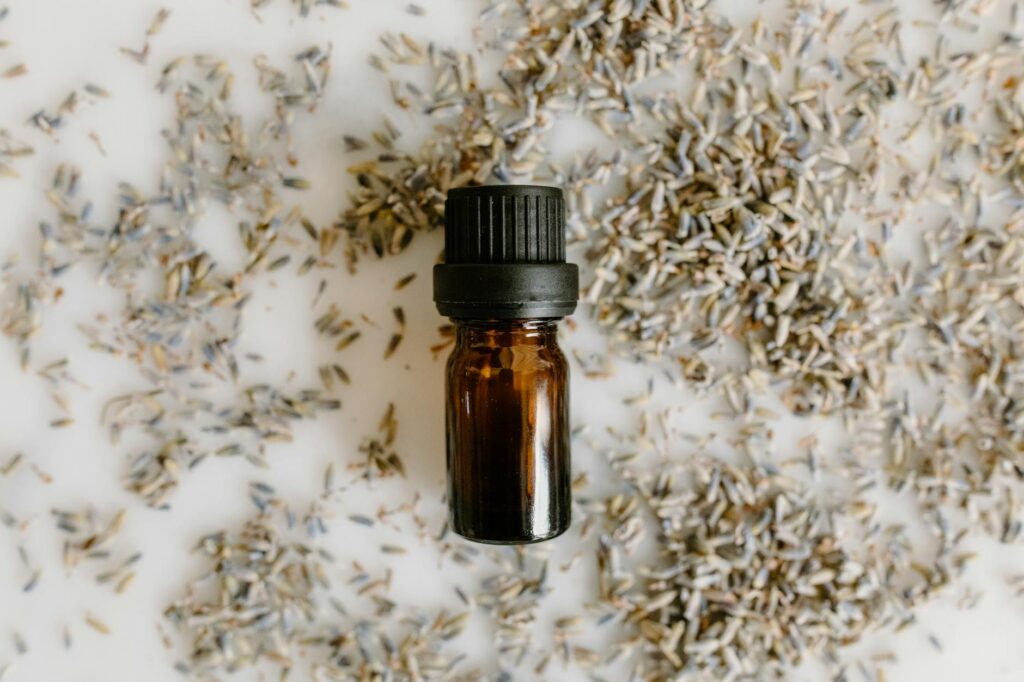
Complete Guide to Poppy Seed Oil Part 7
Introduction
Poppy seed oil, an often-overlooked oil in the realm of essential oils and aromatherapy, is derived from the seeds of the opium poppy (Papaver somniferum). This oil has a rich history and offers a variety of benefits, making it an intriguing addition to wellness practices. In this guide, we will explore the characteristics, benefits, and applications of poppy seed oil, providing a comprehensive understanding of this unique oil.
What Is Poppy Seed Oil?
Poppy seed oil is extracted from the seeds of the opium poppy plant, a flowering plant native to the Mediterranean region and cultivated in various parts of the world. The extraction process typically involves cold pressing, which helps retain the oil’s nutrient profile and flavor. The oil is light yellow in color and has a mild, nutty aroma, making it suitable for culinary and cosmetic applications.
Rich in essential fatty acids, particularly oleic and linoleic acids, poppy seed oil is known for its emollient properties. It is often used in cooking, skin care, and as a carrier oil in aromatherapy practices.
Key Benefits and Properties
Poppy seed oil boasts a variety of beneficial properties, making it a valuable addition to both culinary and cosmetic applications.
Nutritional Content
Poppy seed oil is high in polyunsaturated fats, primarily omega-6 and omega-9 fatty acids. These essential fatty acids play a crucial role in maintaining overall health, supporting heart function, and promoting healthy skin.
Antioxidant Properties
The oil contains tocopherols, a form of Vitamin E, which are known for their antioxidant properties. Antioxidants help combat oxidative stress and protect cells from damage caused by free radicals.
Moisturizing Qualities
Due to its emollient nature, poppy seed oil is an excellent moisturizer for the skin. It is easily absorbed, making it suitable for various skin types, including sensitive and dry skin.
Anti-Inflammatory Effects
Some studies suggest that the fatty acids in poppy seed oil may exhibit anti-inflammatory properties, which can be beneficial for skin care and overall wellness.
Common Uses
Poppy seed oil has a wide range of applications across various domains, including culinary, cosmetic, and therapeutic fields.
Culinary Uses
In cooking, poppy seed oil is often used as a dressing for salads, drizzled over vegetables, or incorporated into sauces. Its mild flavor complements a range of dishes, particularly in Mediterranean and Eastern European cuisines.
Cosmetic Uses
In the cosmetic industry, poppy seed oil is utilized in formulations for creams, lotions, and serums. Its moisturizing properties make it a popular choice for products aimed at hydrating and rejuvenating the skin.
Carrier Oil
As a carrier oil, poppy seed oil can dilute essential oils for topical application. Its light texture allows it to blend well with various essential oils, enhancing their benefits while ensuring safe application.
Aromatherapy Applications
While poppy seed oil is not an essential oil itself, it plays a significant role in aromatherapy as a carrier oil. When combined with essential oils, it can help facilitate their absorption into the skin and enhance their therapeutic effects.
Blending with Essential Oils
Poppy seed oil can be blended with various essential oils to create calming or uplifting aromatherapy blends. For instance, combining poppy seed oil with lavender essential oil can promote relaxation and enhance sleep quality, while mixing it with citrus oils may create an invigorating blend for daytime use.
Massage Therapy
In massage therapy, poppy seed oil can be used as a base due to its smooth texture and skin-nourishing benefits. It provides a glide that is ideal for various massage techniques, promoting relaxation and skin health.
Safety Considerations
While poppy seed oil is generally considered safe for use, there are certain precautions that should be observed:
Skin Sensitivity
Before using poppy seed oil on the skin, it is advisable to conduct a patch test. Apply a small amount to a discreet area and wait 24 hours to check for any adverse reactions.
Allergies
Individuals with known allergies to poppy seeds or related plants should exercise caution when using poppy seed oil.
Not for Ingestion in Large Quantities
While poppy seed oil is safe for culinary use in moderation, excessive consumption may lead to unwanted effects. It is important to use it as part of a balanced diet.
Storage and Shelf Life
To maintain the quality and efficacy of poppy seed oil, proper storage is essential:
Storage Conditions
Poppy seed oil should be stored in a cool, dark place away from direct sunlight and heat sources. Exposure to light and heat can degrade the oil and reduce its shelf life.
Shelf Life
When stored correctly in a sealed container, poppy seed oil typically has a shelf life of approximately 6 to 12 months. It is advisable to check for any changes in smell, color, or consistency before use.
Frequently Asked Questions
1. Can poppy seed oil be used for cooking?
Yes, poppy seed oil is suitable for culinary use. Its mild flavor makes it a versatile ingredient for dressings, sauces, and marinades.
2. Is poppy seed oil safe for all skin types?
Poppy seed oil is generally safe for most skin types, but individuals with sensitive skin or allergies should conduct a patch test before applying it widely.
3. How can I incorporate poppy seed oil into my skincare routine?
Poppy seed oil can be added to creams, lotions, or serums as a moisturizing agent. It can also be used as a carrier oil for essential oils during massage or aromatherapy.
4. What are the primary fatty acids found in poppy seed oil?
Poppy seed oil is rich in polyunsaturated fatty acids, primarily oleic acid (omega-9) and linoleic acid (omega-6).
5. Can poppy seed oil be used as a carrier oil for essential oils?
Yes, poppy seed oil is an effective carrier oil and can be blended with essential oils for topical application.
Conclusion
Poppy seed oil is a versatile and beneficial oil that deserves a place in both culinary and cosmetic applications. With its rich nutrient profile, moisturizing properties, and potential uses in aromatherapy, it serves as a valuable addition to wellness practices. By understanding its benefits and applications, individuals can harness the potential of this remarkable oil in their daily lives. Whether used in cooking, skincare, or as a carrier oil, poppy seed oil offers a multitude of advantages that contribute to overall well-being.