
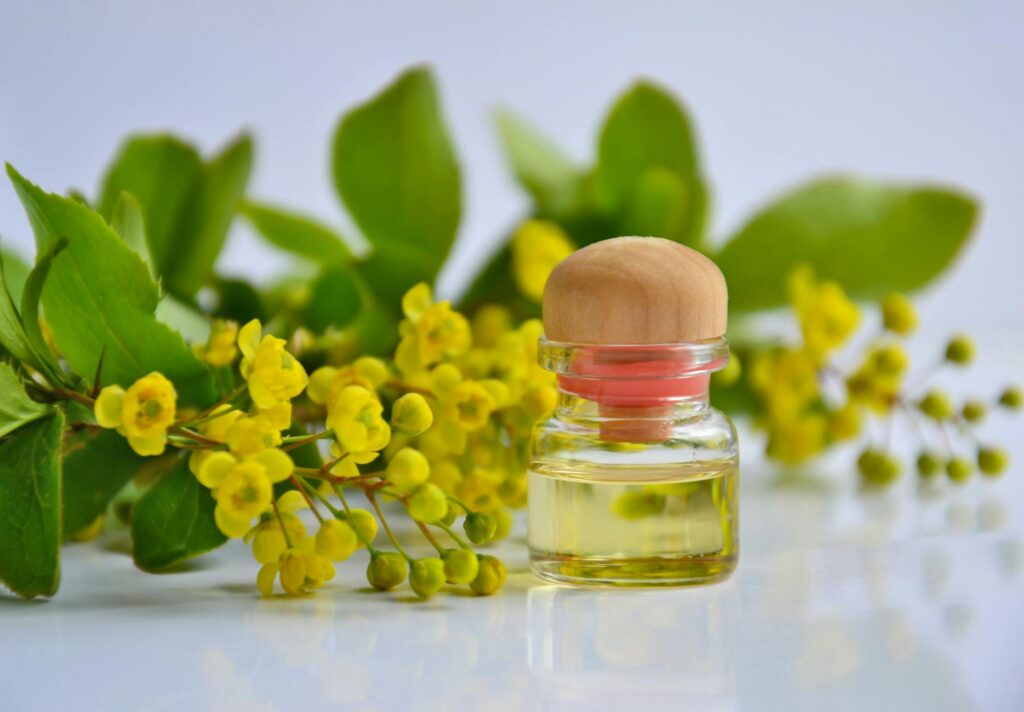
Complete Guide to Poppy Seed Oil Part 7
Introduction
Poppy seed oil, extracted from the seeds of the opium poppy plant (Papaver somniferum), has gained recognition for its unique properties and diverse applications. While the seeds are often associated with culinary uses, the oil derived from them boasts a range of benefits in both cosmetic and therapeutic contexts. This guide delves into the characteristics, advantages, and uses of poppy seed oil, providing a comprehensive overview for those interested in its applications in aromatherapy and beyond.
What Is Poppy Seed Oil?
Poppy seed oil is a pale yellow to golden oil derived from the seeds of the opium poppy. The extraction process typically involves cold pressing, which helps retain the oil’s nutritional and aromatic qualities. Unlike its more notorious counterpart, opium, poppy seed oil is non-narcotic and is safe for consumption and topical application. It is rich in essential fatty acids, primarily linoleic (omega-6) and oleic (omega-9) acids, and contains significant amounts of antioxidants, vitamins, and minerals, making it a valuable addition to various formulations.
Key Benefits and Properties
Poppy seed oil is celebrated for its numerous benefits, which include:
Nutritional Profile
- Essential Fatty Acids: Poppy seed oil is a rich source of unsaturated fats, particularly omega-6 and omega-9 fatty acids. These fats are crucial for maintaining skin health and overall bodily functions.
- Antioxidants: The oil contains antioxidants that help combat oxidative stress, potentially protecting cells from damage and promoting overall wellness.
- Vitamins and Minerals: Poppy seed oil is also a source of vitamins E and K, both of which play roles in skin health and can contribute to a healthy immune response.
- Moisturizing: The oil is known for its excellent emollient properties, making it an effective moisturizer for dry and sensitive skin.
- Soothing: Poppy seed oil can help calm irritated skin, thanks to its anti-inflammatory properties.
- Anti-aging: The presence of antioxidants may contribute to the reduction of fine lines and wrinkles, promoting a more youthful appearance.
- Lotions and Creams: Due to its moisturizing properties, it is commonly found in lotions, creams, and balms designed for dry or sensitive skin.
- Massage Oils: The oil can be blended with essential oils to create soothing massage formulations.
- Conditioners and Treatments: Poppy seed oil can be used in hair care products for its hydrating properties, helping to nourish and strengthen hair.
- Dressings and Marinades: Its mild flavor makes it an excellent choice for salad dressings and marinades, enhancing the taste of various dishes.
- Carrier Oil: Due to its emollient properties, poppy seed oil can be used to dilute essential oils for topical application, ensuring that the essential oils are safe for the skin.
- Custom Blends: It can be combined with various essential oils to create personalized blends for relaxation, rejuvenation, or uplifting effects.
- Cool, Dark Place: Store the oil in a cool, dark place, away from direct sunlight and heat, which can degrade the oil and diminish its beneficial properties.
- Tightly Sealed Containers: Ensure that the container is tightly sealed to prevent oxidation and contamination.
Skin Benefits
Culinary Uses
In addition to its applications in aromatherapy and skincare, poppy seed oil is often used in cooking. Its light flavor and high smoke point make it suitable for sautéing, dressings, and marinades.
Common Uses
Poppy seed oil is versatile and can be used in various domains, including:
Skincare
Hair Care
Culinary Applications
Aromatherapy Applications
In aromatherapy, poppy seed oil is often used as a carrier oil, allowing essential oils to be diluted for safe application on the skin. Its light texture and neutral scent make it ideal for blending with other oils. Here are some ways to incorporate poppy seed oil in aromatherapy:
Blending with Essential Oils
Diffusion
While poppy seed oil is not typically used in diffusers, it can be included in personal inhalers or applied topically after being blended with essential oils to promote a sense of well-being.
Safety Considerations
Poppy seed oil is generally considered safe for use; however, it is important to keep the following considerations in mind:
Allergies
Individuals with known allergies to poppy seeds or related plants should avoid using poppy seed oil to prevent allergic reactions.
Skin Sensitivity
As with any new product, it is advisable to conduct a patch test before using poppy seed oil topically. Apply a small amount to a discreet area of the skin and monitor for any adverse reactions.
Quality of Oil
When purchasing poppy seed oil, it is important to select high-quality, cold-pressed oil from reputable sources. This ensures the oil retains its beneficial properties and is free from contaminants.
Storage and Shelf Life
Proper storage of poppy seed oil is essential to maintain its quality and extend its shelf life. Here are some tips for optimal storage:
Storage Conditions
Shelf Life
When stored properly, poppy seed oil can have a shelf life of approximately 6 to 12 months. It is advisable to check for any off-odors or changes in appearance before use.
Frequently Asked Questions
Is poppy seed oil safe for consumption?
Yes, poppy seed oil is generally safe for consumption and is often used in cooking and food preparation. However, individuals with allergies should exercise caution.
Can poppy seed oil be used for all skin types?
Poppy seed oil is generally suitable for most skin types, including sensitive skin. However, it is always recommended to conduct a patch test before widespread use.
How can I incorporate poppy seed oil into my skincare routine?
Poppy seed oil can be added to lotions, creams, or used as a standalone moisturizer. It can also be mixed with essential oils for massage or facial treatments.
Does poppy seed oil have a strong scent?
Poppy seed oil has a mild, neutral scent that makes it versatile for blending with other essential oils in aromatherapy applications.
Where can I buy high-quality poppy seed oil?
High-quality poppy seed oil can be found at health food stores, specialty oil shops, or online retailers. Look for cold-pressed, organic options when possible.
Conclusion
Poppy seed oil is a versatile and beneficial oil with a wide range of applications in culinary, skincare, and aromatherapy realms. Its rich nutritional profile, soothing properties, and ease of use make it an excellent choice for those seeking natural alternatives in their daily routines. As with any product, it is essential to approach its use with awareness and care, ensuring that you select high-quality oil and adhere to safety recommendations. Whether you are exploring its culinary uses or incorporating it into your skincare regimen, poppy seed oil offers a myriad of possibilities for enhancing well-being.