
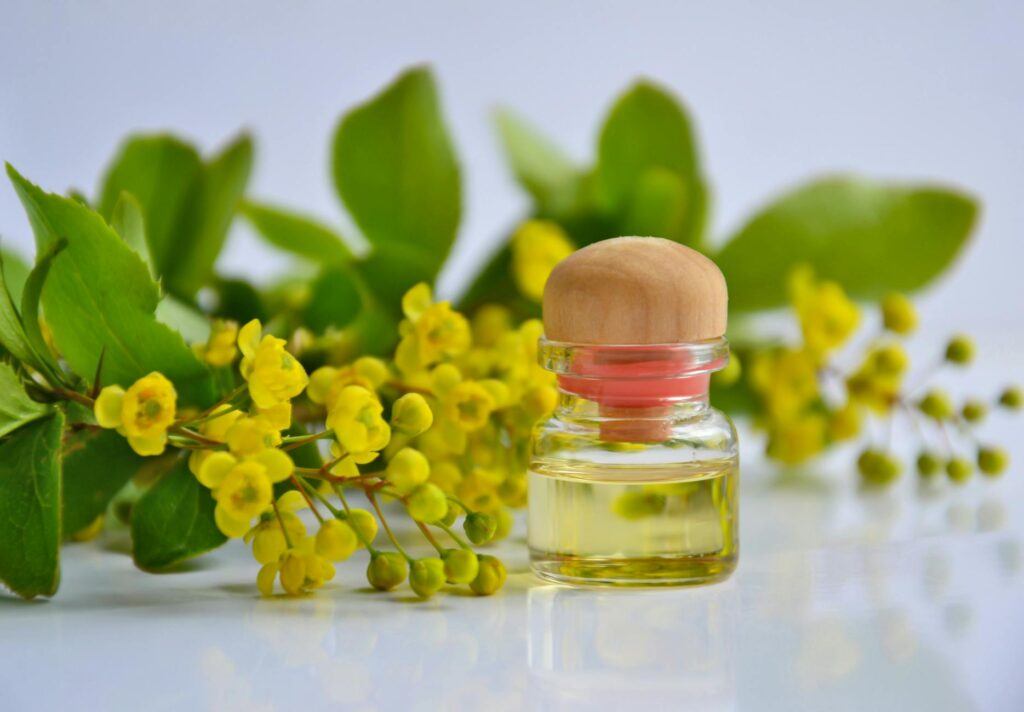
Complete Guide to Poppy Seed Oil
Introduction
Poppy seed oil is an intriguing and versatile oil derived from the seeds of the poppy plant, specifically the species Papaver somniferum. Known for its rich nutritional profile and unique properties, this oil has found its way into culinary practices, cosmetic formulations, and even aromatherapy. This guide aims to provide a comprehensive overview of poppy seed oil, highlighting its benefits, uses, and safety considerations.
What Is Poppy Seed Oil?
Poppy seed oil is extracted from the small, black, or bluish seeds of the poppy plant. The extraction process typically involves cold-pressing the seeds, which helps retain the oil’s natural flavors and nutrients. It is important to note that the seeds themselves do not contain opiates; the oil is free from narcotic properties, making it safe for various uses.
Poppy seed oil has a light, nutty flavor and is often used in cooking, particularly in salad dressings and as a finishing oil. Its color can range from pale yellow to deep amber, depending on the extraction method and quality of the seeds.
Key Benefits and Properties
Poppy seed oil is rich in essential fatty acids, particularly linoleic acid (omega-6) and oleic acid (omega-9). These fatty acids contribute to its nutritional value and potential benefits:
1. Nutritional Profile: Poppy seed oil contains vitamins such as E and K, which are known for their antioxidant properties. Vitamin E helps protect cells from oxidative stress, while vitamin K is essential for blood clotting and bone health.
2. Moisturizing Properties: The oil is renowned for its emollient properties, making it a popular choice in skincare products. It can help hydrate and nourish the skin, promoting a smooth and supple appearance.
3. Anti-inflammatory Effects: Some studies suggest that the fatty acids in poppy seed oil may have anti-inflammatory properties, potentially benefiting skin conditions such as eczema and psoriasis.
4. Rich in Phytosterols: These compounds are known to support heart health and may help lower cholesterol levels.
5. Culinary Benefits: Beyond its health properties, poppy seed oil enhances the flavor of dishes. Its light taste complements a variety of foods without overpowering them.
Common Uses
Poppy seed oil is utilized in various domains, including:
Culinary Uses
- Salad Dressings: Its light flavor makes it an excellent base for vinaigrettes and dressings.
- Baking: Poppy seed oil can be used in baked goods, adding moisture and a subtle nutty taste.
- Finishing Oil: Drizzling poppy seed oil over roasted vegetables or grains can elevate their flavor profile.
- Skincare Products: Due to its moisturizing properties, poppy seed oil is often found in lotions, creams, and serums.
- Hair Care: It may be used in hair oils and conditioners to promote shine and manageability.
- Massage: When mixed with essential oils such as lavender or chamomile, poppy seed oil can be used for therapeutic massage, helping to relax the muscles and promote a sense of well-being.
- Bath Oils: Adding poppy seed oil to bathwater can provide a moisturizing effect, leaving the skin feeling hydrated and soft.
- Skin Care: The oil can be blended with essential oils for skincare formulations aimed at hydration and nourishment.
- Storage Conditions: Store the oil in a cool, dark place, away from direct sunlight. A dark glass bottle is ideal for preserving its quality.
- Shelf Life: Poppy seed oil typically has a shelf life of about 1 to 2 years if stored properly. However, always check for signs of rancidity, such as off odors or changes in color, before use.
Cosmetic Uses
Aromatherapy Uses
While not as commonly used as some other oils, poppy seed oil can be incorporated into aromatherapy practices as a carrier oil, blending well with essential oils for various applications.
Aromatherapy Applications
In aromatherapy, poppy seed oil primarily serves as a carrier oil. Carrier oils are typically used to dilute essential oils before applying them to the skin. Here are some potential applications:
Safety Considerations
While poppy seed oil is generally regarded as safe, a few considerations should be kept in mind:
1. Allergic Reactions: As with any oil, individuals may experience allergic reactions or sensitivities. A patch test is recommended before using it topically.
2. Consumption: Ensure that the oil is food-grade when using it in culinary applications. Non-food-grade oils may not be safe for consumption.
3. Pregnancy and Nursing: Pregnant or nursing individuals should consult with a healthcare professional before using poppy seed oil, particularly in concentrated forms.
4. Interaction with Medications: If you are taking medications, it’s advisable to discuss the use of poppy seed oil with a healthcare professional, especially if you plan to use it in larger quantities.
Storage and Shelf Life
To maintain the quality of poppy seed oil, proper storage is essential:
Frequently Asked Questions
1. Can poppy seed oil be used for cooking?
Yes, poppy seed oil is often used in culinary applications due to its light flavor and nutritional benefits. It is suitable for salad dressings, baking, and drizzling over dishes.
2. Is poppy seed oil safe for skin use?
Poppy seed oil is generally safe for most skin types and is often used in skincare products. However, it is advisable to conduct a patch test before applying it to larger areas.
3. How does poppy seed oil compare to other carrier oils?
Poppy seed oil has a unique nutritional profile and moisturizing properties that set it apart from other carrier oils like olive or coconut oil. It is lighter in texture, making it suitable for those who prefer a less greasy feel.
4. Can poppy seed oil be used in aromatherapy?
Yes, poppy seed oil can be used as a carrier oil in aromatherapy, allowing for the dilution of essential oils for topical application or massage.
5. Does poppy seed oil contain any opiates?
No, poppy seed oil is extracted from the seeds of the poppy plant and does not contain opiates. The seeds themselves are safe for consumption and do not have narcotic properties.
Conclusion
Poppy seed oil is a remarkable oil with a diverse range of applications in culinary arts, cosmetics, and aromatherapy. With its rich nutritional profile and numerous benefits, it is a valuable addition to many practices. As with any oil, proper storage and cautious usage are essential to maximizing its benefits while minimizing risks. Whether you’re looking to enhance your meals, improve your skincare routine, or explore aromatherapy, poppy seed oil offers an array of possibilities for wellness and enjoyment.