
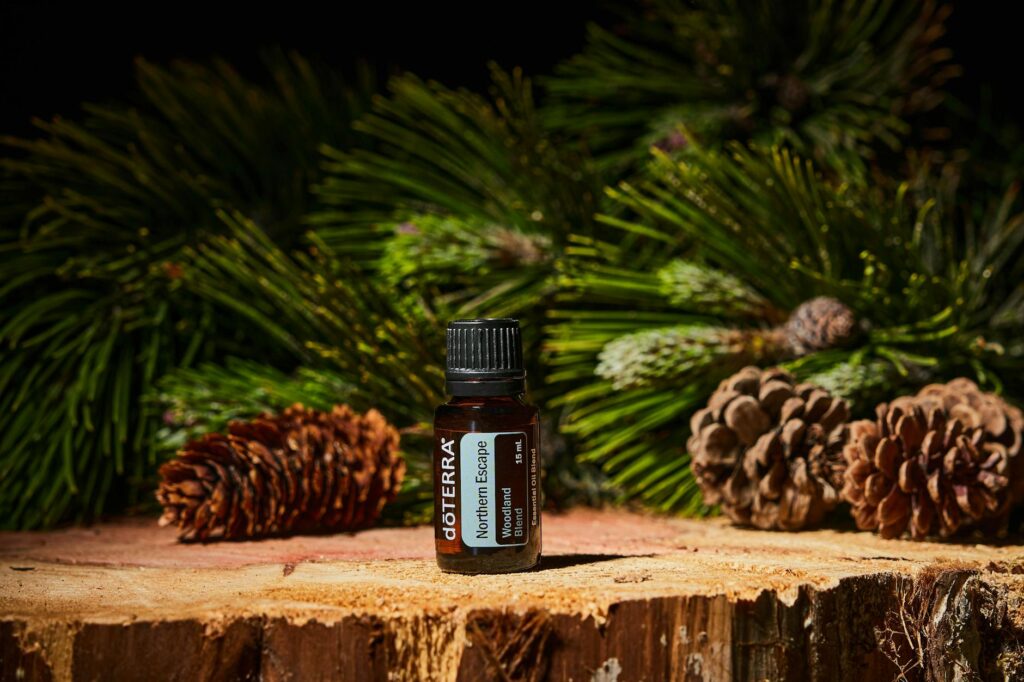
Complete Guide to Relaxation Blends Part 15
Introduction
In our fast-paced world, finding moments of tranquility can be a challenge. Relaxation blends, crafted from a variety of essential oils, offer a natural approach to promoting calmness and serenity. This guide delves into the world of relaxation blends, exploring their composition, benefits, and practical applications in aromatherapy.
What Is Relaxation Blends?
Relaxation blends are combinations of essential oils specifically formulated to promote feelings of calm and reduce stress. These blends may include oils known for their soothing properties, such as lavender, chamomile, and bergamot. The art of creating these blends lies in understanding how different oils interact, enhancing their individual properties to create a harmonious and effective formulation.
Common Components of Relaxation Blends
1. Lavender (Lavandula angustifolia): Renowned for its calming effects, lavender is often the cornerstone of relaxation blends.
2. Bergamot (Citrus bergamia): This citrus oil is known for its uplifting yet calming properties, making it a perfect addition to any relaxation blend.
3. Roman Chamomile (Chamaemelum nobile): With its sweet, apple-like aroma, chamomile promotes relaxation and alleviates anxiety.
4. Frankincense (Boswellia carterii): Often used in meditation, frankincense helps create a tranquil environment.
5. Ylang Ylang (Cananga odorata): This floral oil is not only calming but can also help balance emotions.
Key Benefits and Properties
The benefits of relaxation blends are diverse and can vary depending on the specific oils used. Here are some key properties and benefits associated with common ingredients:
- Calming Effect: Many oils in relaxation blends are known for their ability to reduce anxiety and promote peace.
- Mood Enhancement: Certain oils, like bergamot, can uplift moods while simultaneously calming the mind.
- Stress Relief: Aromatherapy with these blends may help alleviate stress and tension accumulated throughout the day.
- Improved Sleep: Relaxation blends can create an environment conducive to sleep, helping to improve overall restfulness.
- Mental Clarity: Some oils can promote focus and clarity, making it easier to tackle tasks after relaxation.
- Dilution: Always dilute essential oils with a carrier oil before applying to the skin to avoid irritation.
- Patch Test: Conduct a patch test on a small area of skin to check for any allergic reactions before widespread use.
- Pregnancy and Nursing: Pregnant or nursing individuals should consult with a healthcare professional before using essential oils.
- Children and Pets: Use caution when using essential oils around children and pets, as some oils may be harmful to them.
- Quality of Oils: Ensure you are using high-quality, therapeutic-grade essential oils. Poor-quality oils may contain synthetic additives and impurities.
- Dark Glass Containers: Store essential oils in dark glass bottles to protect them from light, which can degrade their quality.
- Cool, Dry Place: Keep the oils in a cool and dry environment, away from direct sunlight and heat sources.
- Tightly Sealed: Ensure that lids are tightly sealed to prevent oxidation and evaporation.
Common Uses
Relaxation blends can be utilized in various ways to enhance everyday life. Here are some common applications:
1. Diffusion: Adding a few drops of a relaxation blend to an essential oil diffuser can fill a room with calming aromas.
2. Topical Application: When diluted with a carrier oil, these blends can be applied to pulse points for a soothing effect.
3. Bathing: Adding relaxation blends to bath water can create a spa-like experience, promoting relaxation and stress relief.
4. Inhalation: Inhaling the aroma directly from the bottle or from a cotton ball can provide immediate calming effects.
5. Massage: Incorporating relaxation blends into massage oils can enhance the therapeutic experience.
Aromatherapy Applications
Aromatherapy is the practice of using essential oils for therapeutic benefits, and relaxation blends play an essential role in this field. Here are some common applications:
Home Environment
Creating a serene home environment can be achieved through diffusing relaxation blends. This method disperses essential oil molecules into the air, allowing individuals to breathe in the calming aromas. Diffusion can be particularly effective in areas designated for relaxation, such as bedrooms or meditation spaces.
Mindfulness Practices
Using relaxation blends during mindfulness or meditation practices can enhance the experience. By incorporating calming scents, individuals may find it easier to focus and enter a meditative state. Simply adding a few drops to a cotton ball or inhaling directly from the bottle can be beneficial.
Travel Companion
For those who frequently travel, a small bottle of relaxation blend can serve as a portable stress-relief tool. Inhalation during flights or stressful situations can provide quick relief, making travel a more enjoyable experience.
Spa Treatments
Many spas utilize relaxation blends in their treatments, such as facials and full-body massages. The calming aromas not only enhance the relaxation experience but may also promote a sense of well-being.
Safety Considerations
While relaxation blends can provide numerous benefits, it is essential to consider safety when using essential oils. Here are some important points to keep in mind:
Storage and Shelf Life
Proper storage is essential for maintaining the integrity and efficacy of essential oils. Here are some tips for storing relaxation blends:
Shelf Life
The shelf life of essential oils can vary depending on the type of oil and its storage conditions. Generally, essential oils have a shelf life of 1 to 5 years. Citrus oils tend to have a shorter shelf life, while oils such as sandalwood and patchouli can last longer. Regularly check your oils for changes in aroma or consistency, as these can indicate spoilage.
Frequently Asked Questions
1. Can I create my own relaxation blend?
Absolutely! Experimenting with different essential oils can lead to a personalized relaxation blend that suits your preferences. Start with a base oil, like lavender, and add complementary oils gradually until you achieve the desired aroma.
2. How many drops of essential oil should I use in a diffuser?
The amount of essential oil needed can vary depending on the diffuser and personal preference. A common guideline is to use 3-5 drops per 100ml of water in a diffuser. Adjust based on the strength of the aroma you desire.
3. Are there any oils to avoid for relaxation blends?
While most essential oils can be used in relaxation blends, some oils may be too stimulating, such as peppermint or eucalyptus. These oils are better suited for invigorating blends rather than relaxation.
4. How often can I use relaxation blends?
Relaxation blends can be used daily, but it’s essential to listen to your body. If you experience any irritation or adverse effects, discontinue use.
5. Can relaxation blends be used in cooking?
Most essential oils are not suitable for ingestion, and it is crucial to avoid using essential oils unless they are specifically labeled as safe for culinary use. Always consult a qualified professional before considering the internal use of essential oils.
Conclusion
Relaxation blends offer a natural and effective way to promote calmness and reduce stress in our busy lives. By understanding the composition, benefits, and applications of these blends, individuals can harness the power of aromatherapy to create a sanctuary of serenity in their homes and daily routines. With proper use and storage, relaxation blends can be a valuable tool for enhancing well-being and fostering relaxation.