
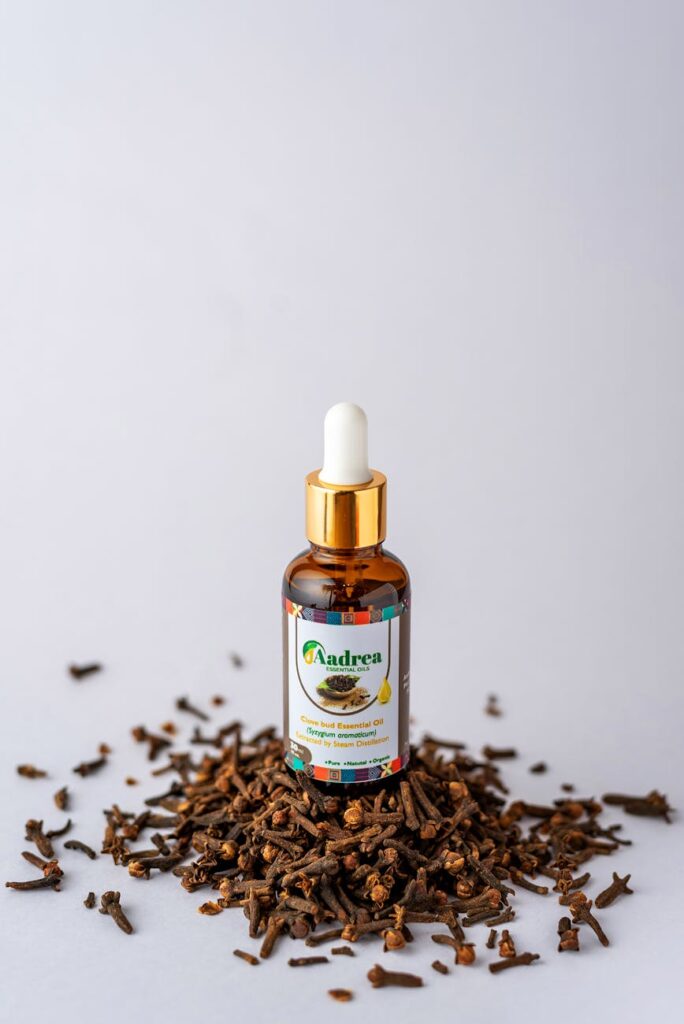
Complete Guide to Resin Extracts
Introduction
Resin extracts have been an integral part of human culture for centuries, valued for their aromatic properties and diverse applications. These natural substances, derived from the secretions of trees and plants, have captivated the senses and served various practical purposes throughout history. This comprehensive guide aims to provide an in-depth understanding of resin extracts, exploring their characteristics, benefits, uses, and safety considerations.
What Are Resin Extracts?
Resin extracts are viscous substances that are secreted by certain plants, particularly coniferous trees, as a defense mechanism against injury or infection. When exposed to air, resin undergoes a process of hardening, forming a solid or semi-solid mass. The most commonly known resins include frankincense, myrrh, copal, and benzoin, each possessing unique chemical compositions and aromatic profiles.
Resins can be collected in various ways, including tapping trees or harvesting from naturally fallen resinous bark. Once collected, these resins can be distilled or processed to create essential oils or used in their raw form for various applications.
Key Benefits and Properties
Resin extracts are celebrated for their multifaceted benefits and properties. Here are some of the key attributes:
Aromatic Qualities
Resins often possess rich, complex scents that can range from sweet and woody to earthy and spicy. These fragrances are a result of the diverse chemical compounds present, such as terpenes, sesquiterpenes, and phenolic compounds.
Antioxidant Properties
Many resins are rich in antioxidants, which can help combat oxidative stress in the body. This property may contribute to their popularity in various traditional practices, although clinical research is ongoing.
Anti-Inflammatory Effects
Certain resin extracts have been studied for their potential anti-inflammatory properties. While the research is still developing, these attributes make resins appealing for use in wellness practices.
Antimicrobial Activity
Some resins exhibit antimicrobial properties, making them valuable in preserving products and preventing microbial growth. This quality has made resins historically significant in incense, perfumes, and traditional medicine.
Common Uses
Resin extracts have a wide array of applications across various fields:
Incense and Rituals
Resins have been used in incense for centuries, often burned during religious or spiritual ceremonies. The aromatic smoke is believed to purify the air and create a sacred atmosphere.
Perfumes and Fragrances
The unique scents of resins contribute to the formulation of perfumes and fragrance products. Their long-lasting nature often enhances the overall scent profile when blended with other essential oils.
Natural Remedies
Traditionally, resins have been utilized in herbal practices to address various ailments. While these uses are rooted in historical context, contemporary applications often emphasize their aromatic and sensory properties rather than medicinal claims.
Craft and Art
Resins are also used in the arts, particularly in the creation of jewelry, art pieces, and even furniture finishes. Their ability to harden and preserve colors makes them a popular choice for artists and craftsmen.
Aromatherapy Applications
In the realm of aromatherapy, resin extracts offer unique benefits due to their complex aromas and potential therapeutic properties. Here are several applications:
Diffusion
Resin oils can be used in diffusers to disperse their aroma throughout a space. The calming and grounding scents of resins like frankincense may promote relaxation and mindfulness, making them suitable for meditation practices.
Massage Oils
When diluted with a carrier oil, resin extracts can be incorporated into massage oils. Their rich textures and aromatic properties can enhance the overall experience, contributing to relaxation and stress relief.
Bath Products
Adding resin extracts to bath products can create an indulgent and aromatic bathing experience. Their unique scents can transform ordinary baths into soothing rituals.
Personal Inhalers
Resin extracts can also be used in personal inhalers, allowing users to carry their favorite aromas with them. This portable option can provide comfort and grounding throughout the day.
Safety Considerations
While resin extracts are generally considered safe for use, certain precautions should be taken:
Skin Sensitivity
It is advisable to perform a patch test before applying resin oils to the skin, as some individuals may experience sensitivity or allergic reactions. Dilution with a carrier oil is recommended for topical applications.
Inhalation Precautions
When using resin extracts in diffusers or personal inhalers, ensure proper ventilation in the space. Overexposure to concentrated aromas can lead to headaches or respiratory discomfort for some individuals.
Pregnancy and Nursing
As with any essential oil or extract, pregnant or nursing individuals should consult with a healthcare professional before using resin extracts. The effects of certain resins during pregnancy have not been extensively studied.
Interactions with Medications
Individuals taking medications should consider potential interactions with resin extracts. Consulting with a healthcare professional is advisable to ensure safe use.
Storage and Shelf Life
To maintain the quality and efficacy of resin extracts, proper storage is essential:
Temperature and Light
Store resin extracts in a cool, dark place, away from direct sunlight and heat sources. Excessive heat and light can degrade the chemical composition and aromatic properties.
Sealed Containers
Ensure that resin extracts are stored in tightly sealed containers to prevent exposure to air and moisture. This practice helps prolong their shelf life.
Shelf Life
The shelf life of resin extracts can vary depending on the type and storage conditions. Generally, most resins can last for several years when stored properly. However, always check for any signs of degradation, such as changes in aroma or texture, before use.
Frequently Asked Questions
1. What are the most popular resin extracts?
Some of the most popular resin extracts include frankincense, myrrh, copal, and benzoin. Each has its unique scent and properties.
2. Can resin extracts be ingested?
While some cultures have used certain resins in traditional medicine, ingestion is not commonly recommended without professional guidance. Consult a healthcare professional before considering internal use.
3. Are resin extracts suitable for children?
Due to their potency, caution should be exercised when using resin extracts around children. It’s advisable to consult with a healthcare professional for specific recommendations.
4. How can I incorporate resin extracts into my daily routine?
Resin extracts can be incorporated through diffusion, topical applications (when diluted), or adding them to bath products. Experimenting with different methods can help find what works best for you.
5. Are there any ethical considerations related to resin harvesting?
Yes, ethical harvesting practices are crucial to ensure the sustainability of resin-producing plants. It is important to source resins from reputable suppliers who prioritize sustainable harvesting methods.
Conclusion
Resin extracts are a fascinating and versatile component of the natural world, offering a range of aromatic and practical applications. From their historical significance to modern-day uses in aromatherapy and crafts, these substances continue to captivate and inspire. By understanding their properties, benefits, and safe usage, individuals can appreciate the rich legacy of resin extracts while incorporating them into their daily lives.